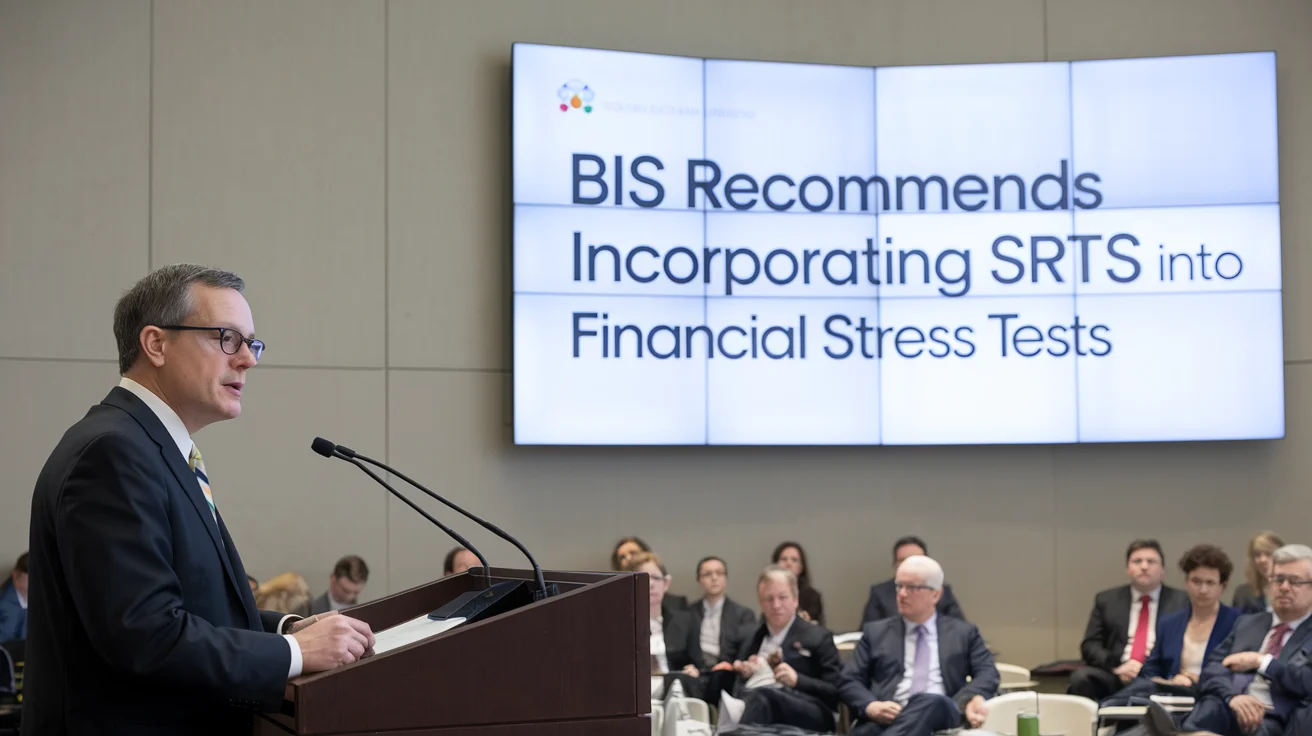
BIS calls for integrating SRTs into stress tests, potentially improving how regulators evaluate banking sector stability.
The Bank for International Settlements (BIS) has recommended that financial regulatory watchdogs incorporate Standardized Risk Transfers (SRTs) into their routine stress tests. According to reports from Bloomberg, this suggestion seeks to strengthen the evaluation of potential risks in the banking sector.
What Are Standardized Risk Transfers?
Standardized Risk Transfers, or SRTs, are financial instruments that allow banks to transfer specific risks, such as credit or market risks, to other parties. These tools help institutions manage their exposure to economic downturns by standardizing the process of risk sharing.
Stress tests are periodic assessments conducted by regulators to determine how well banks can withstand severe economic scenarios, such as recessions or market crashes. They simulate adverse conditions to ensure financial institutions maintain stability.
Why Incorporate SRTs?
BIS argues that including SRTs in stress tests could provide a more comprehensive view of risk management practices. By factoring in these transfers, regulators might identify vulnerabilities that traditional tests overlook, according to the recommendation.
For instance, SRTs could reveal how effectively banks offload risks during crises, potentially preventing systemic failures. This approach aligns with ongoing efforts to refine global financial regulations post-crises.
Regulators worldwide, including those in major economies, may consider adopting this advice to update their frameworks. While details on implementation timelines remain unclear, the BIS emphasis highlights the evolving nature of financial risk assessment.
In summary, this recommendation from BIS underscores the need for adaptive tools in overseeing the banking sector, ensuring greater resilience against future economic shocks.