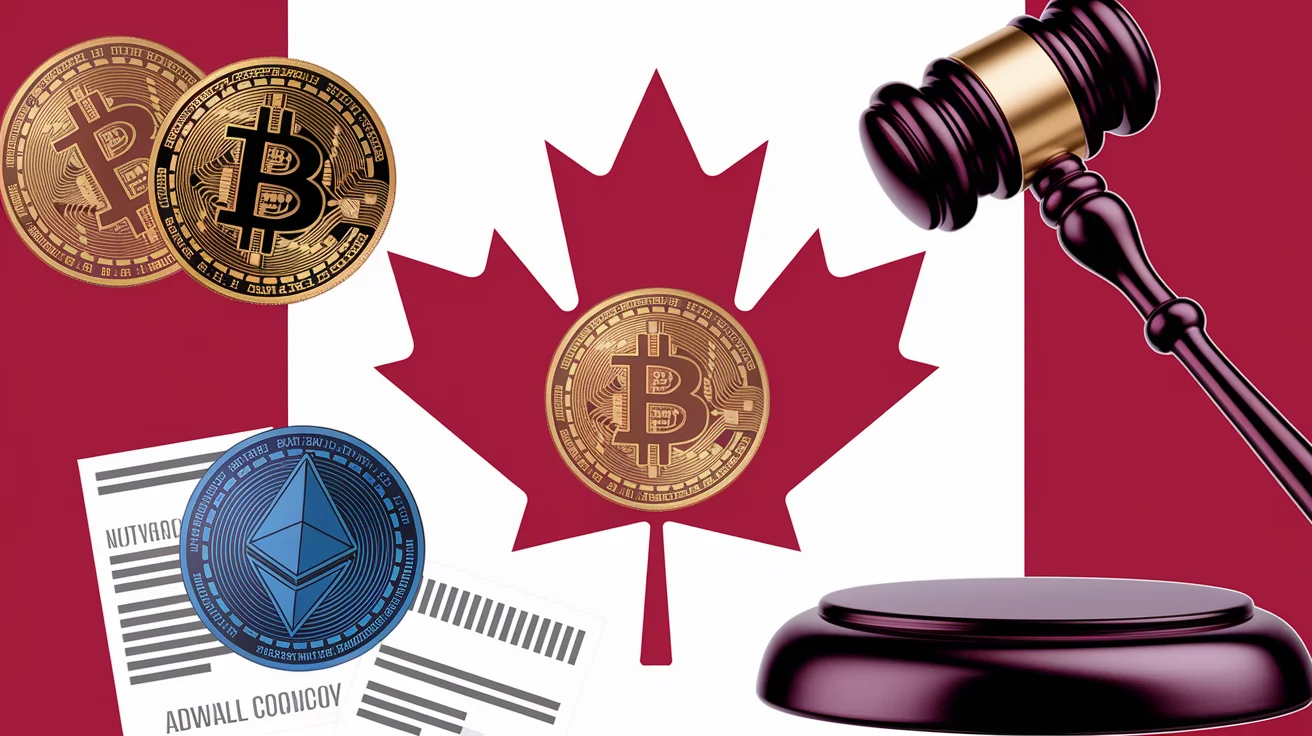
Canada's FINTRAC revoked 50 MSB registrations, mostly crypto-related, amid ongoing enforcement to tackle illicit financial activities.
Canada's Financial Transactions and Reports Analysis Centre (FINTRAC) has revoked the registrations of 50 money services businesses (MSBs) this year, with 47 of them connected to cryptocurrency operations. This action reflects the government's heightened scrutiny of the crypto sector to prevent money laundering and fraud.
Recent Enforcement by FINTRAC
FINTRAC announced on Monday the revocation of 23 MSB registrations in its latest move, marking a significant increase in regulatory activity. The agency is strengthening enforcement and enhancing transparency in compliance actions to address risks posed by virtual assets.
Finance Minister François-Philippe Champagne stated that these measures are part of a broader effort to combat financial crimes. He emphasized that the government will continue monitoring and implementing new strategies targeting crypto-related businesses, including cryptocurrency ATMs.
Near the end of last year, FINTRAC imposed a $126 million fine on crypto platform Cryptomus for violations such as failing to report suspicious transactions on over 1,000 occasions and not maintaining proper compliance policies. Similarly, crypto exchange KuCoin was fined $14 million for not registering as a foreign MSB and omitting required transaction reports.
Traditional financial systems have historically been exploited for money laundering, with estimates from the Financial Action Task Force indicating that 2 to 5% of global GDP involves such activities. In contrast, data from Chainalysis suggests that less than 1% of crypto transactions are tied to illicit uses, highlighting the sector's evolving risks.
This crackdown aligns with international efforts, such as the joint U.S., U.K., and Canada operation against crypto fraud. Canada's actions underscore a commitment to regulating the crypto industry to protect financial stability and prevent abuse.
Experts from Cointelegraph note that these developments could influence global crypto regulations, but the focus remains on enforcement and compliance.
More Coverage
- Canada Proposes Ban on Cryptocurrency Donations to Political Parties Over Foreign Interference Fears
- Mexico's Monarch Butterfly Population Surges 64 Percent This Winter
- Canada and France Urge Israel to Respect Lebanon's Sovereignty Amid Invasion Plans
- Two Pilots Die in LaGuardia Airport Plane Crash Involving Fire Truck