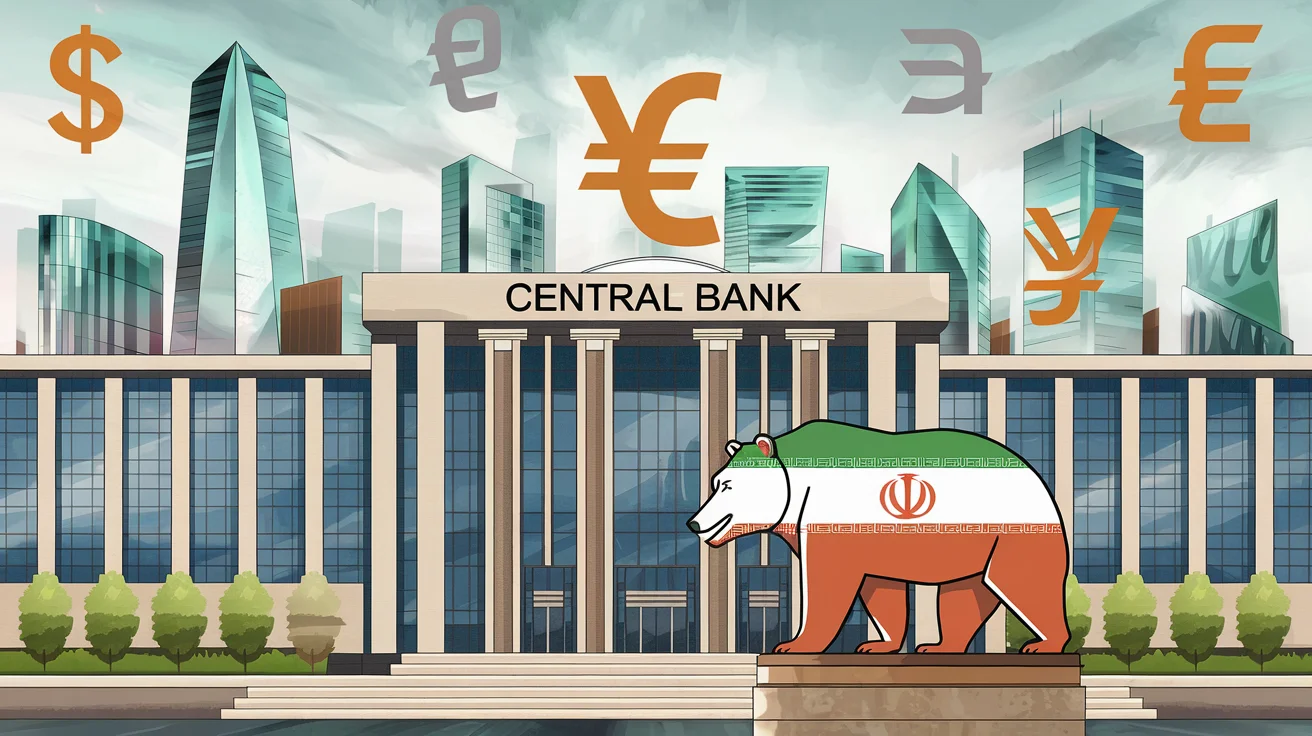
An overview of how central banks might respond to economic disruptions linked to Iran, including oil markets and sanctions.
Central banks, such as the U.S. Federal Reserve, play a key role in stabilizing economies amid global tensions. The phrase 'unpoke the Iran bear' refers to efforts to reverse or manage economic fallout from conflicts involving Iran, including oil supply disruptions and international sanctions.
The Role of Central Banks in Geopolitical Crises
Central banks typically adjust interest rates and monetary policies to control inflation and support growth. In cases like Iran, where sanctions have historically affected oil exports, banks monitor global energy prices and currency fluctuations to prevent widespread economic shocks.
For instance, if Iran's oil production faces interruptions, it could lead to higher global oil prices, prompting central banks to intervene by injecting liquidity or adjusting rates. Reports from financial sources indicate that such actions aim to maintain stability without directly engaging in foreign policy.
Key central banks, including the Fed, have tools like quantitative easing to counteract inflation spikes caused by external factors. However, their effectiveness depends on the scale of the disruption, as seen in past events involving Middle Eastern oil producers.
Experts, based on historical data, note that central banks coordinate internationally through forums like the Bank for International Settlements to address shared risks. For Iran specifically, this might involve monitoring currency reserves and trade balances affected by sanctions.
While central banks cannot 'unpoke' geopolitical issues directly, they focus on domestic impacts. It remains unclear how effective these measures would be in a new crisis, as outcomes depend on various unpredictable factors.
In summary, central banks adapt policies to global events, but their ability to fully mitigate Iran-related economic pressures is limited by broader international dynamics.