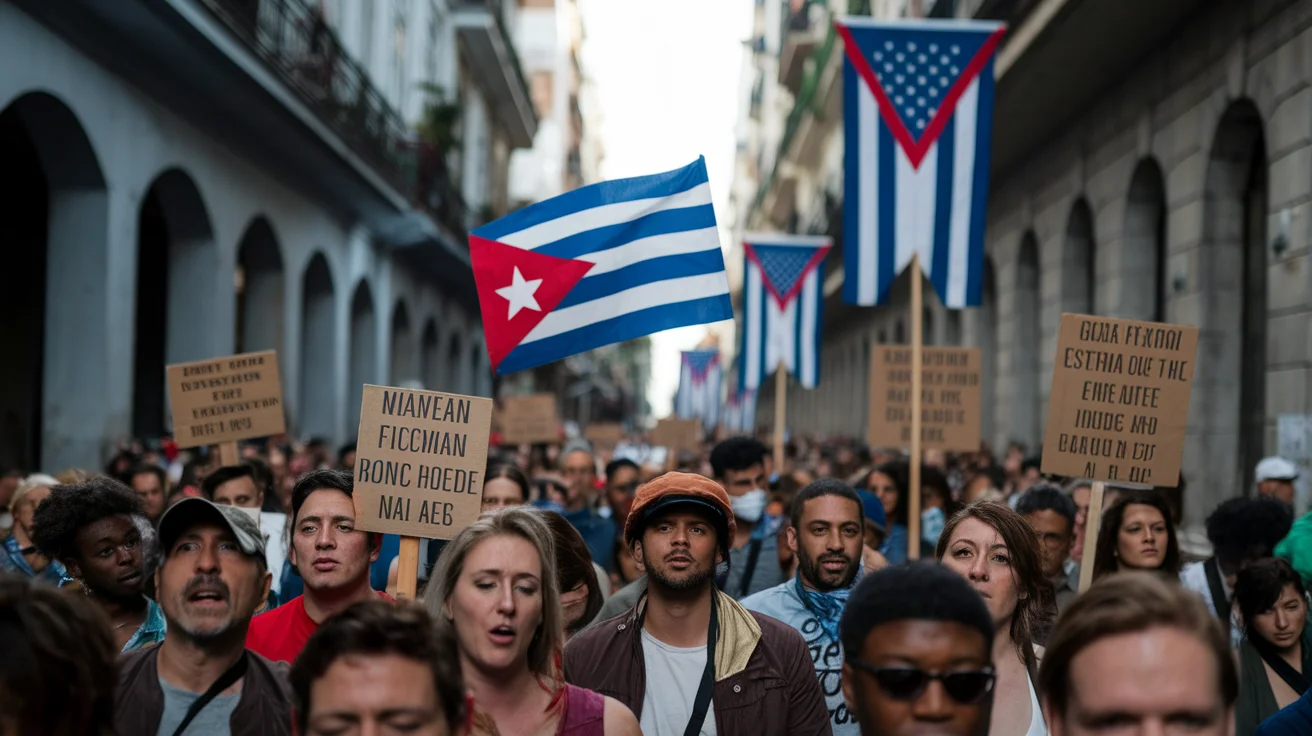
Cubans voice mixed emotions amid Trump's latest remarks on the island's leadership, highlighting ongoing tensions in U.S.-Cuba relations.
Former U.S. President Donald Trump recently called for 'imminent action' against the Cuban government, sparking reactions across the island, as reported by AP News. This statement has reignited discussions about U.S. policy toward Cuba, with residents expressing a mix of concern, anger, and hope for potential change.
Historical Context of U.S.-Cuba Relations
U.S.-Cuba relations have been strained since the 1959 Cuban Revolution led by Fidel Castro, which resulted in the nationalization of American assets and a subsequent U.S. embargo. Over the decades, various U.S. administrations have imposed sanctions and supported opposition groups, aiming to pressure the Cuban government on human rights and economic reforms.
Trump's administration, from 2017 to 2021, reversed some Obama-era policies that had eased restrictions, including limiting remittances and travel. This history provides background for why his recent comments resonate deeply in Cuba, where economic hardships persist due to ongoing sanctions.
Reactions on the Ground in Cuba
In Havana and other cities, some Cubans voiced concern that Trump's words could lead to increased U.S. intervention, potentially worsening the island's isolation. Others expressed anger, viewing the statement as interference in sovereign affairs and a continuation of historical U.S. aggression.
Amid the tension, pockets of hope emerged, with individuals hoping that international pressure might accelerate domestic reforms or improve living conditions. Reports indicate protests in certain areas, though details remain limited, reflecting the government's tight control over public expression.
The Cuban government has not issued an official response to Trump's remarks, according to available sources, leaving uncertainty about potential diplomatic repercussions. Economically, Cuba faces challenges like food shortages and blackouts, which some attribute to U.S. policies, adding layers to public sentiment.
Globally, reactions vary, with some Latin American nations calling for dialogue, while others remain silent. This situation underscores the broader dynamics of U.S. foreign policy in the region, though specific outcomes remain unclear based on current reports.
In summary, Trump's call for action has amplified existing frustrations in Cuba, where daily life is affected by political and economic factors. As events unfold, the international community watches for any shifts in policy or escalation.