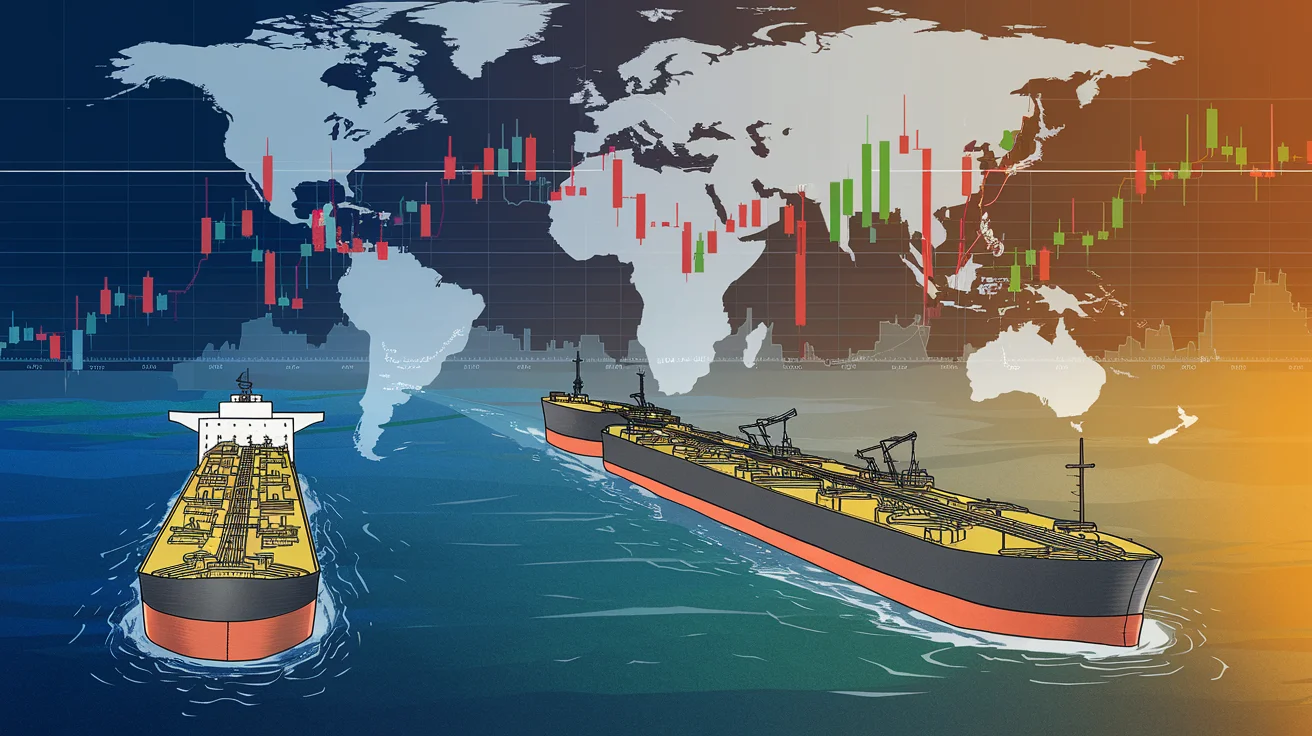
This article explores the Strait of Hormuz's role in global trade and investor responses to related tensions.
The Strait of Hormuz serves as a critical chokepoint for global oil shipments, connecting the Persian Gulf to the Arabian Sea and handling about 20-30% of the world's seaborne oil trade, according to various energy reports.
Recent events in the region, potentially involving geopolitical tensions, have drawn attention, as outlined in a Bloomberg article titled 'Investors Can Handle What’s Happening in Hormuz'.
What is the Strait of Hormuz?
The Strait of Hormuz is a narrow waterway between Iran and Oman, vital for exporting oil from countries like Saudi Arabia, the UAE, and Iraq. Disruptions here can lead to spikes in oil prices and affect global energy markets.
Historically, the strait has been a flashpoint for conflicts, including naval incidents and sanctions related to Iran, which borders the strait and has influenced shipping routes in the past.
Investors often respond to such risks by diversifying portfolios, as suggested in the Bloomberg piece, which indicates that markets can adapt to uncertainties in this area.
How Do Investors Handle These Risks?
Financial markets have mechanisms like futures contracts and hedging strategies to mitigate volatility from Hormuz events. For instance, oil companies and traders use options to protect against price surges.
Broader economic indicators, such as stock indices and currency values, typically show resilience, with investors monitoring updates from sources like Bloomberg for real-time assessments.
In past incidents, such as those involving Iranian naval activities, global markets adjusted quickly, demonstrating that investor confidence can remain steady despite regional instability.
It remains unclear from the available reports what specific events prompted the Bloomberg article, but general trends show that energy sector stocks often fluctuate based on Strait-related news.
Overall, the ability of investors to handle Hormuz developments underscores the adaptability of global financial systems to geopolitical pressures.