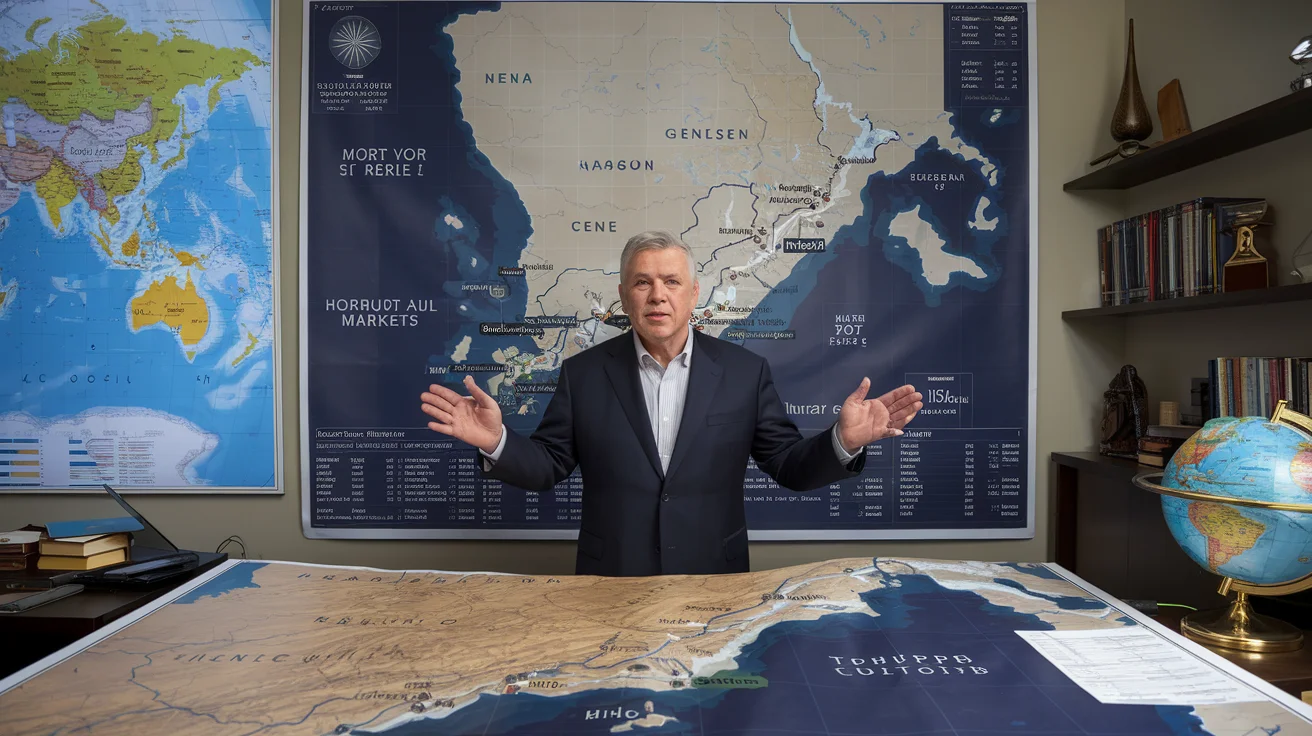
An overview of the Strait of Hormuz crisis, highlighting its role in oil trade and the challenges in resolving disruptions.
The Strait of Hormuz, located between Iran and Oman, serves as a critical passage for about 20-30% of the world's seaborne oil exports, making it a key artery for global energy markets.
Background of the Crisis
Recent reports from sources like Bloomberg highlight tensions in the region, potentially involving geopolitical disputes that have led to shipping disruptions. These issues stem from historical conflicts and strategic interests in the Persian Gulf, affecting oil tankers and trade routes.
As of March 2026, the crisis involves challenges to safe passage, with some reports suggesting the need for escorted convoys to protect vessels. This situation echoes past incidents where naval forces have intervened to secure maritime routes.
Oil-exporting countries, including those in the Middle East, rely on the strait for shipments to Asia, Europe, and beyond, amplifying the economic stakes. Disruptions can lead to spikes in oil prices, as seen in previous regional conflicts.
Potential fixes discussed in news outlets include diplomatic negotiations and increased military patrols, but progress appears stalled. For instance, international bodies like the United Nations have monitored similar crises, though specific actions remain unclear.
The broader impact on global markets involves higher insurance costs for shipping and potential supply shortages, affecting consumers and industries worldwide. Countries dependent on imported oil, such as those in Europe and Asia, face increased vulnerability.
Experts from energy reports note that resolving the crisis requires cooperation among major powers, but details on ongoing talks are limited. Historical precedents, like the Tanker War in the 1980s, show that such disputes can persist for years.
In summary, the Strait of Hormuz crisis underscores the fragility of global energy infrastructure, with unresolved issues potentially leading to long-term economic consequences.