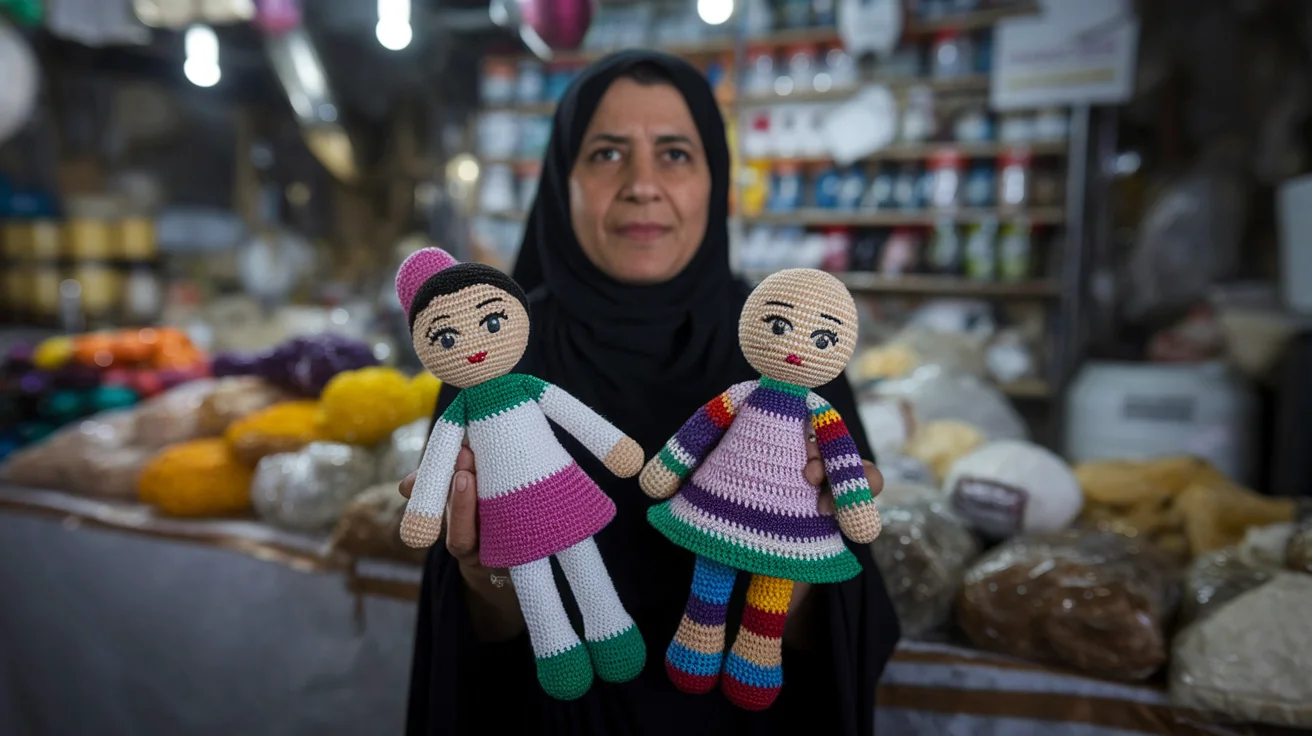
Residents in Gaza report severe economic strain during Eid al-Fitr as Israeli measures exacerbate shortages of essentials like food and fuel.
In Gaza, tighter Israeli restrictions on the flow of goods and aid have led to widespread shortages and soaring prices, coinciding with the start of Eid al-Fitr. According to reports from Al Jazeera, these measures have intensified as global attention shifts to conflicts elsewhere, such as with Iran.
Residents are experiencing significant price increases for basic necessities. For instance, tomatoes have risen from 3 shekels to 20 shekels, while cooking gas for an 8kg cylinder now costs 80 shekels, making it unaffordable for many families.
Economic Hardships During Eid
These price hikes extend to other essentials, with meat and canned goods becoming prohibitively expensive. Electricity costs have also jumped from 18 shekels per unit to 25 shekels, forcing families to rely on alternatives like kerosene stoves, which have seen their own price surges.
The crisis has transformed Eid al-Fitr, a time traditionally marked by family gatherings and celebrations, into a period of anxiety. Millions in Gaza are struggling to afford even simple holiday traditions, as shortages make basic items scarce.
Local traders have contributed to the problem by raising prices unjustifiably amid the shortages. This exploitation, combined with the blockade, has exposed the fragility of Gaza's economy, leaving civilians to bear the brunt of the hardships.
Israel has used external tensions as a pretext for these restrictions, including closing crossings, which further limits the supply of humanitarian aid. As a result, Gaza's population faces growing suffering, with families prioritizing essentials over holiday observances.
The author, Amal Abu Seif, a Palestinian writer from Gaza, highlights how these dynamics reflect broader strategies of control, emphasizing the need for international action to ensure aid flows and protect civilians from exploitation.