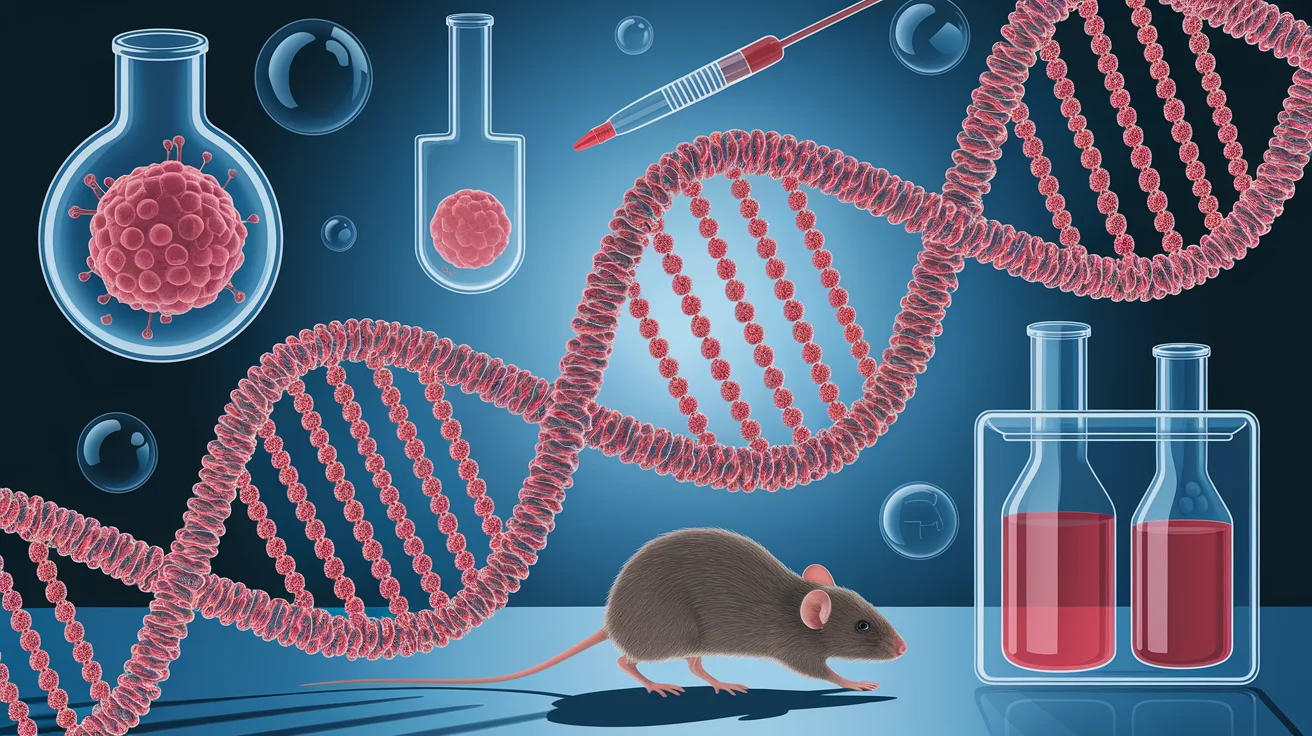
A new gene-editing approach creates CAR T cells in vivo, as reported by scientists from the BC Cancer Research Institute.
Scientists have introduced a gene-editing method that produces chimeric antigen receptor (CAR) T cells directly inside the bodies of mice, according to a report in Nature News. CAR T cells are genetically modified immune cells used as a standard therapy for certain relapsed cancers, such as leukemia, lymphoma, and myeloma.
The new strategy, developed by researchers including Robert Holt and Laura Evgin, bypasses the need for laboratory engineering of these cells. Holt and Evgin are affiliated with the BC Cancer Research Institute in Vancouver, Canada, and the University of British Columbia.
Key Details of the Technique
The gene-editing approach involves creating CAR T cells in vivo, which could reduce the hurdles associated with current clinical production methods. This innovation builds on existing CAR T cell therapies that target treatment-resistant cancers and some autoimmune diseases.
According to the Nature article, the method was tested in mice and shows progress toward making CAR T cell treatments more accessible. The researchers' work highlights the potential for in-body generation to streamline the process.
Robert Holt, from the Basic and Translational Research Department at BC Cancer, contributed to the study alongside Laura Evgin, who is also based at the institute. Their affiliations include the Department of Medical Genetics at the University of British Columbia and the Department of Molecular Biology and Biochemistry at Simon Fraser University.
This development represents an advancement in immunotherapy, as CAR T cells have become a key treatment for specific cancers since their introduction. The Nature publication provides details on how the gene-editing technique operates, emphasizing its application in animal models.
Further details from the source indicate that the method could expand the use of CAR T cells beyond current limitations, though it remains in the experimental stage. The research was published in Nature, underscoring ongoing efforts in cancer treatment innovation.