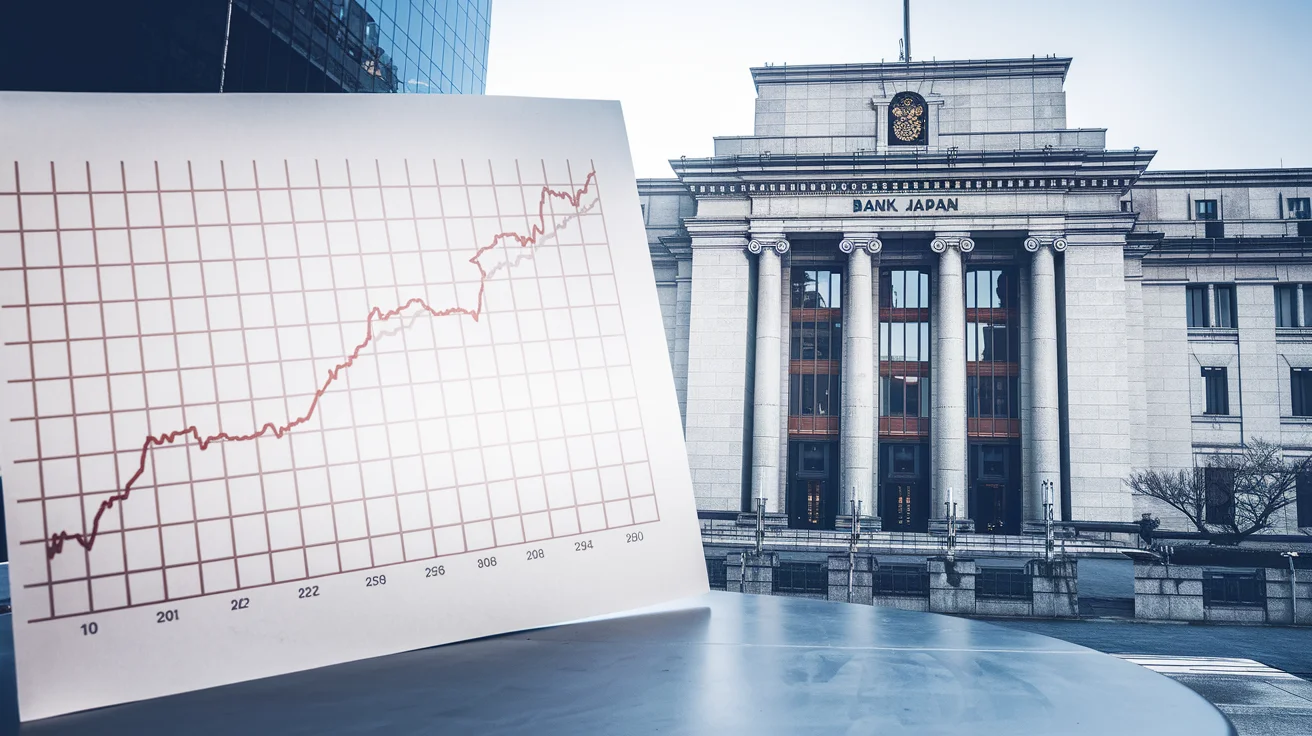
Hedge funds anticipate Bank of Japan actions to bolster the yen and JGB yields through hawkish hints, amid ongoing market dynamics.
Hedge funds have increased their bets that the Bank of Japan (BOJ) will adopt a more hawkish monetary policy, aiming to strengthen the Japanese yen and raise yields on Japanese Government Bonds (JGBs). This positioning comes as investors interpret recent signals from BOJ officials as hints of potential tightening.
Understanding the Bank of Japan's Role
The BOJ is Japan's central bank, responsible for managing monetary policy to achieve price stability and support economic growth. Historically, it has maintained ultra-loose policies, including negative interest rates and massive asset purchases, to combat deflation and stimulate the economy.
In recent years, factors such as inflation pressures and global interest rate changes have prompted discussions about policy normalization. Hawkish hints from the BOJ could include comments on reducing bond purchases or raising rates, which would signal a shift from its accommodative stance.
Market Implications of These Bets
If the BOJ moves in a hawkish direction, it could lead to a stronger yen by attracting foreign capital and reducing the appeal of carry trades. Simultaneously, higher JGB yields might result from increased selling pressure or expectations of better returns on Japanese debt.
Hedge funds are positioning through derivatives and currency trades, betting on these outcomes based on economic data and BOJ communications. This strategy reflects broader market sentiments influenced by Japan's recovery from deflation and external factors like U.S. Federal Reserve policies.
The potential for these changes underscores the interconnectedness of global finance, where BOJ decisions can affect international trade and investment flows. Investors are monitoring upcoming BOJ meetings for any concrete policy announcements that could validate these bets.
Japan's economy has shown signs of improvement, with inflation nearing the BOJ's 2% target, which might necessitate policy adjustments. However, the exact timing and extent of any hawkish moves remain uncertain, according to reports from financial sources.
Overall, these hedge fund activities highlight the sensitivity of currency and bond markets to central bank signals, potentially influencing global economic stability if shifts occur.