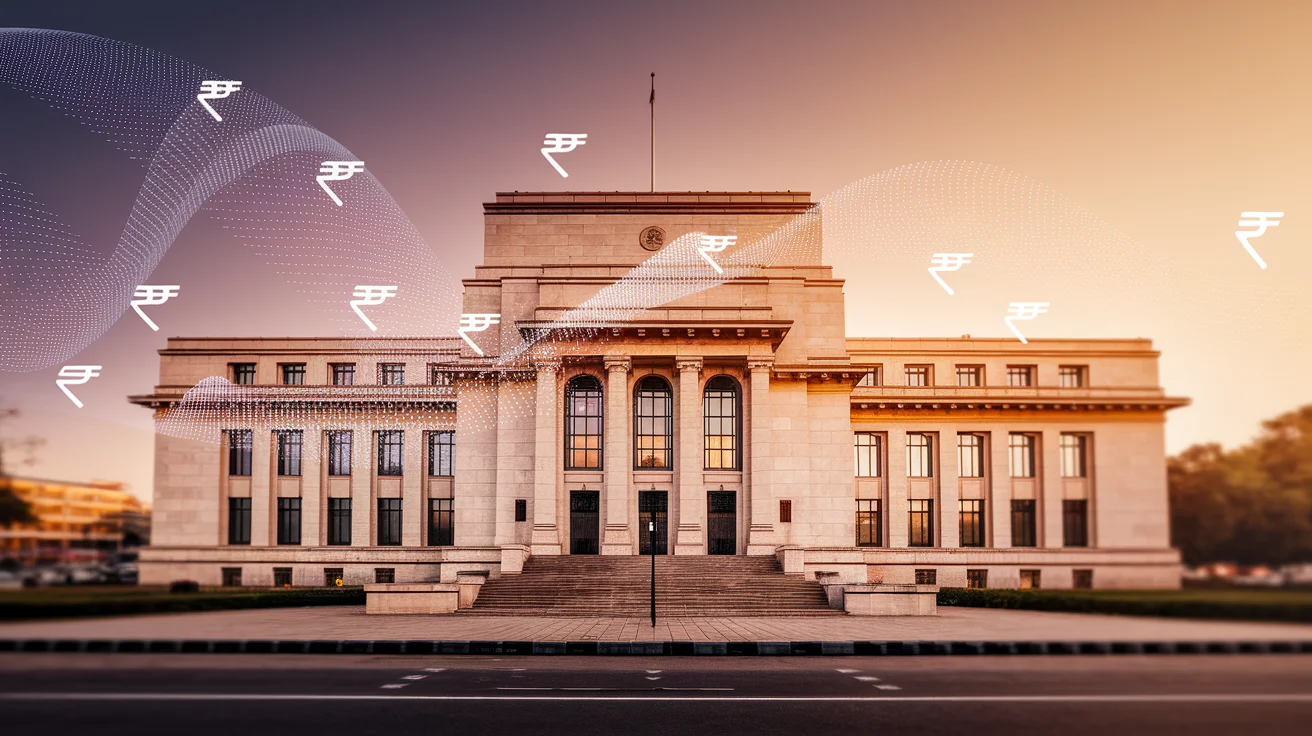
Experts discuss India's declining FX reserves and the potential need for a softer approach to rupee defense as economic conditions evolve.
India's foreign exchange (FX) reserves, which serve as a buffer against economic shocks, have reportedly fallen in recent months, according to financial reports. These reserves include foreign currencies, gold, and other assets held by the Reserve Bank of India (RBI) to stabilize the rupee and meet international obligations.
What is India's FX Buffer?
The FX buffer represents the stockpile of assets that the RBI uses to intervene in currency markets. For instance, when the rupee faces depreciation pressure, the RBI can sell dollars from these reserves to support the currency. Recent data suggests a decline in these reserves, possibly due to factors like rising import costs or capital outflows, though exact figures remain unconfirmed from official sources.
This decline has sparked calls from economists and analysts for a softer defense of the rupee. A softer approach might involve allowing the currency to fluctuate more freely rather than aggressively intervening, which could help conserve reserves and align with global market dynamics.
Reasons Behind the Calls
Proponents argue that maintaining an overly strong defense could deplete reserves faster, especially amid global uncertainties such as fluctuating oil prices or trade tensions. For example, India's heavy reliance on oil imports means that rising global energy costs can erode FX holdings. Reports indicate that similar strategies have been adopted by other emerging economies facing reserve pressures.
In response, the RBI might consider policy adjustments, such as tweaking interest rates or enhancing foreign inflows, to bolster reserves. This situation underscores the balance between currency stability and economic flexibility, as India's export sector could benefit from a slightly weaker rupee by making goods more competitive abroad.
Overall, the falling FX buffer reflects broader challenges in India's economic management, with potential implications for inflation and growth. While specific outcomes depend on future policy decisions, observers note that international trade dynamics play a key role in shaping these developments.
More Coverage
- Russian Oil Output Cuts Inevitable as Drone Attacks Reduce Exports, Sources Say
- Raja Ravi Varma's Painting Sells for Record $17.9 Million in Indian Art Auction
- Countries Consider Wealth Taxes on Ultrarich Amid Inequality and Budget Needs
- Taiwan Think Tank Advocates Bitcoin Reserve for Geopolitical Security