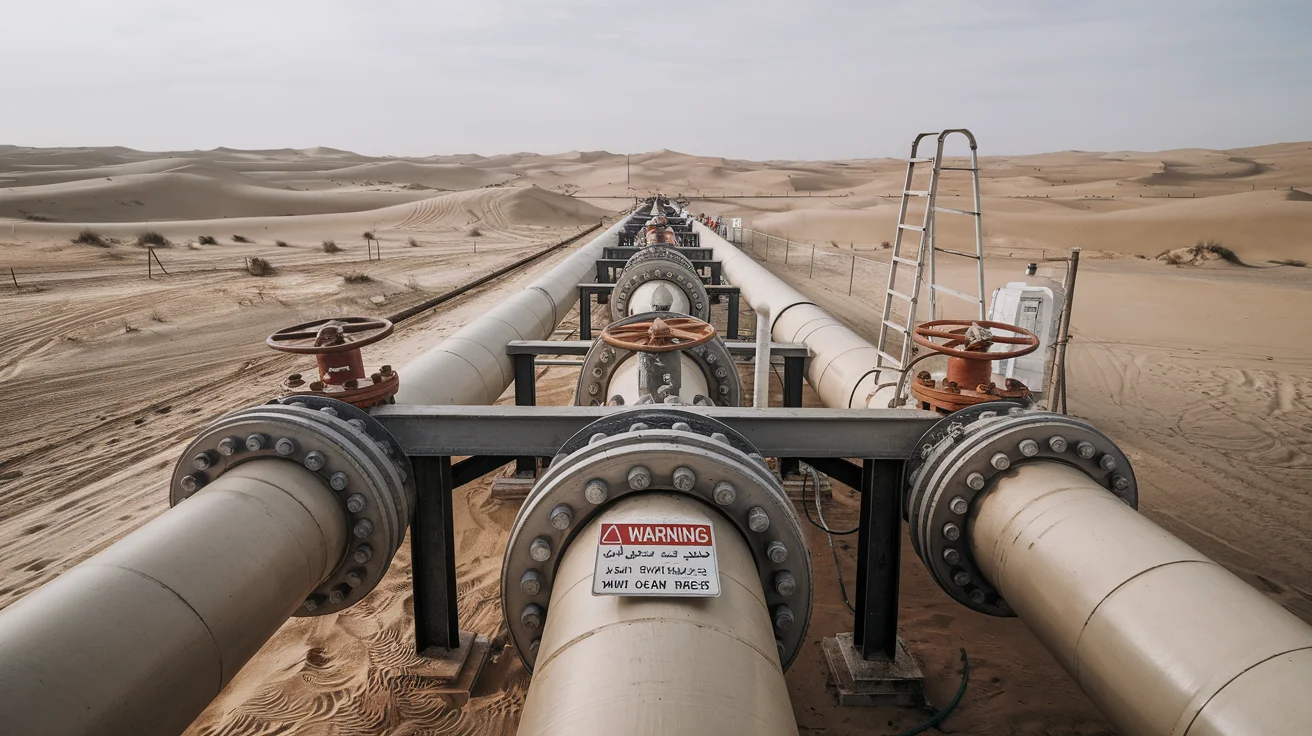
Iran's conflict endangers India's piped gas, with imports from Qatar at risk, though households may avoid immediate disruptions.
India, one of the world's largest importers of liquefied natural gas (LNG), faces potential risks to its piped gas supply due to the escalating conflict in Iran. The country's rapidly expanding network of piped natural gas (PNG) serves over 15 million households, industries, and vehicles, blending domestic production with imported LNG.
Approximately half of India's PNG comes from domestic sources like ONGC and Reliance, providing a buffer against immediate disruptions. The rest relies on imports, with Qatar supplying more than half through long-term contracts, routed via the Strait of Hormuz.
Current Supply Status and Government Priorities
As tensions rise in the Middle East, LNG shipments from Qatar have halted since early March, though some pre-loaded cargoes continue to arrive in India. Government officials have prioritized gas for households and vehicles, mandating a 20% cut for industrial and commercial users to maintain essential supplies.
India's city gas networks, which deliver PNG to homes and compressed natural gas (CNG) to vehicles, are expanding rapidly, with CNG now the second-largest auto fuel after petrol. This growth underscores the increasing dependence on stable gas flows for daily use.
Experts indicate that while domestic gas cushions short-term needs, prolonged disruptions could lead to price increases for consumers. India's LNG storage at regasification terminals covers only one to two weeks of imports, highlighting vulnerability to global shocks.
Imports from other regions like the US, Australia, and Russia make up the remainder, but the Strait of Hormuz route remains critical for a significant portion. If the conflict persists, industries may switch to alternative fuels like coal or oil, potentially affecting economic output.
In response, Indian companies such as Haryana City Gas Distribution Limited assure no immediate shortages for homes and vehicles, but warn of rising costs. This situation echoes recent impacts on India's LPG market, emphasizing the broader exposure to international energy routes.
More Coverage
- Russian Oil Output Cuts Inevitable as Drone Attacks Reduce Exports, Sources Say
- Raja Ravi Varma's Painting Sells for Record $17.9 Million in Indian Art Auction
- Bitcoin Falls to $66,200 as US Dollar Strengthens on Iran Tensions
- Countries Consider Wealth Taxes on Ultrarich Amid Inequality and Budget Needs