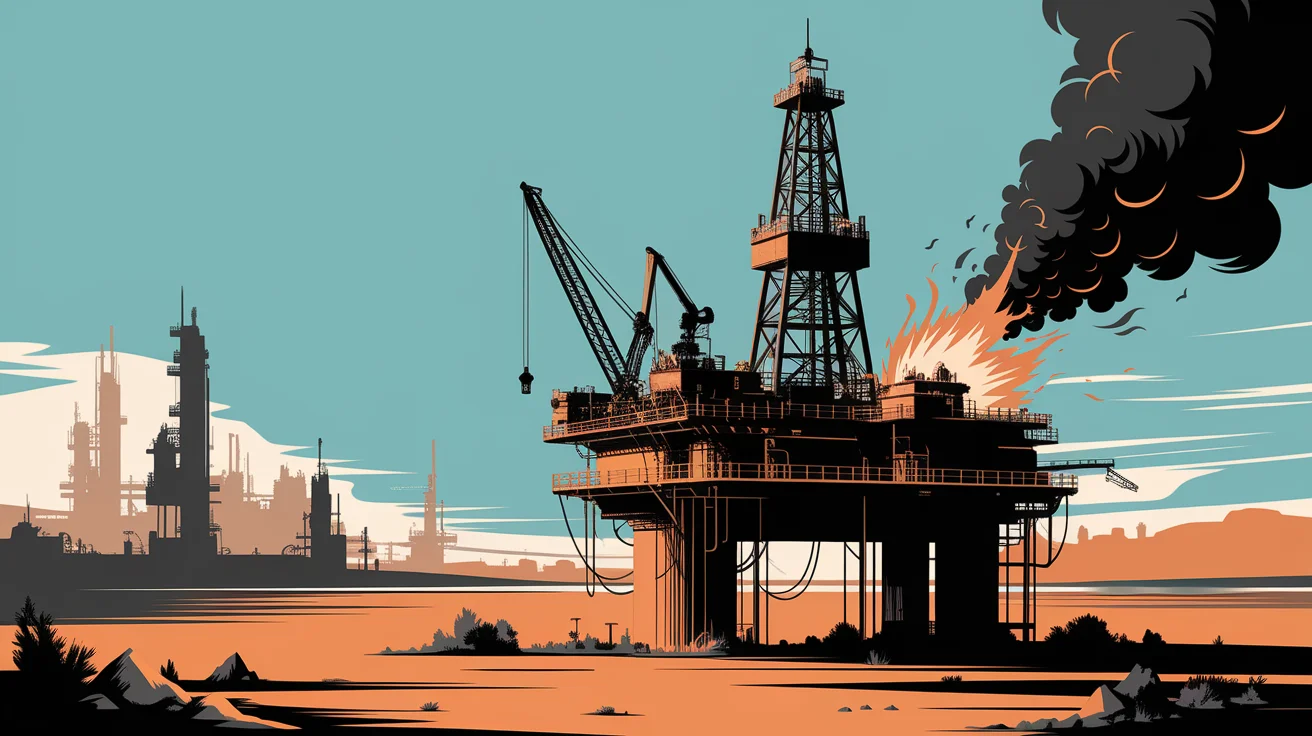
An alleged Iran strike has impacted Qatar's LNG sector, raising concerns about global energy supplies based on unverified reports.
According to reports from Reuters, an Iran strike has damaged approximately 17% of Qatar's liquefied natural gas (LNG) facilities, which could disrupt production for three to five years. This event stems from escalating tensions in the Middle East, though details remain unconfirmed.
Background on the Incident
Qatar is one of the world's largest LNG exporters, with facilities that supply energy to Europe, Asia, and other regions. The reported strike, if accurate, targeted key infrastructure, potentially halting operations at affected sites and forcing Qatar to reroute or delay shipments.
In recent years, Qatar has expanded its LNG capacity to meet growing global demand, investing billions in projects like the North Field expansion. This development aimed to increase output by over 60%, making the alleged damage a significant setback for these plans.
The broader context involves ongoing regional conflicts, including Iran's activities in the Persian Gulf. Qatar and Iran share the world's largest natural gas field, which adds complexity to their relations, though no direct links to this incident have been verified in available reports.
Experts in energy markets suggest that such disruptions could lead to higher global LNG prices, as Qatar supplies about 20% of the world's LNG. Alternative suppliers like the United States and Australia might step in, but this could strain supply chains in the short term.
Governments and companies have not publicly detailed immediate responses, but Qatar's energy ministry stated in past statements that they prioritize facility security. It remains unclear if insurance claims or international aid will cover the damages.
Long-term effects might include shifts in trade routes, with some buyers exploring diversified sources to mitigate risks. Reports indicate that Qatar's LNG exports dropped in the quarter following the alleged incident, based on preliminary data from industry trackers.
As investigations continue, the full extent of the damage and its timeline for recovery are still uncertain, with potential implications for global energy stability.