The Iran war continues with targeted killings of leaders, leaving little room for talks as the US and Israel maintain pressure.
The Iran war has entered its fourth week, with US and Israeli strikes targeting key figures in the Iranian regime, including Supreme Leader Ali Khamenei, who was killed on February 28, and other officials like security chief Ali Larijani.
These assassinations have eliminated potential negotiators, as noted by Marcus Schneider of the Friedrich Ebert Foundation, who stated that successors are less willing to compromise.
Regime's Resilience Amid Attacks
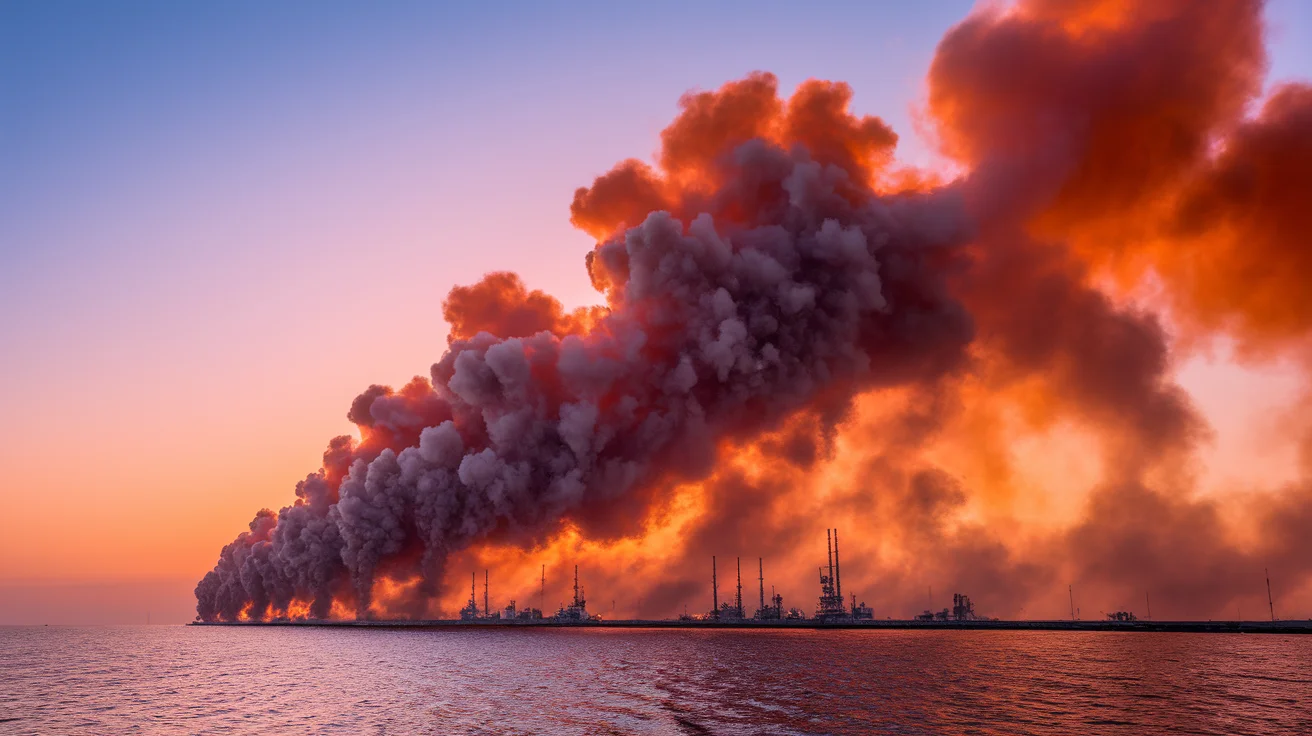
Iran's regime remains intact despite the losses, focusing on economic escalation through attacks on energy infrastructure, such as the blockade of the Strait of Hormuz, which has driven up global energy prices.
Experts like Stefan Lukas from Middle East Minds highlight a trust deficit, pointing out that Iran's leadership views ongoing attacks as too damaging for negotiations, even through back channels.
The US strategy of decapitation strikes, including recent killings of Revolutionary Guards spokesmen, has not led to regime change, as assessed by the Middle East Institute, which notes that survival constitutes a victory for Tehran.
Iran's 'mosaic defense strategy' allows semiautonomous units to operate without centralized command, maintaining pressure on adversaries through economic means rather than direct military confrontation.
Political pressure on Washington is mounting due to rising inflation from energy disruptions, yet the US continues its military approach, with experts skeptical of immediate diplomatic breakthroughs.