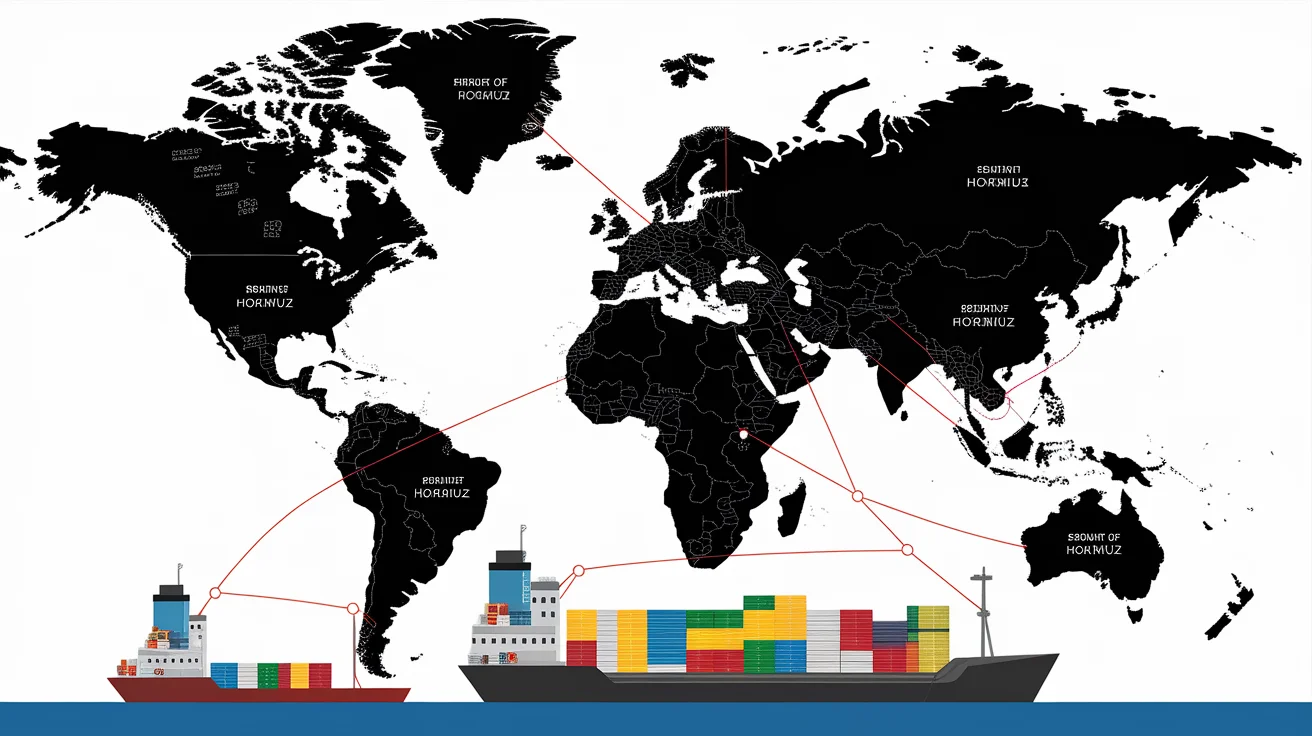
Ongoing disruptions from the Iran war are escalating global food costs, with the UN warning of increased hunger amid supply chain strains.
The Iran war is disrupting global supply chains, particularly affecting food supplies, as detailed in a report from Al Jazeera. With the Strait of Hormuz blocked, shipping routes are being rerouted, leading to delays and increased operational costs for international trade.
Impact on Food and Energy Markets
This disruption extends from factories to supermarket shelves, driving up prices for essential goods. The conflict is compounding existing pressures, following an initial energy shock that has already strained economies.
The United Nations has issued a warning that rising costs for food, oil, and shipping could result in an additional 45 million people facing acute hunger. This would bring the global total above the current record of 319 million people in severe food insecurity.
As the Iran conflict persists, businesses worldwide are feeling the strain, with higher shipping and production costs affecting consumers thousands of miles away. The report highlights how these developments are interconnected with global trade dynamics.
Published on March 20, 2026, by Al Jazeera, the analysis underscores the immediate effects on everyday goods, emphasizing the role of key chokepoints like the Strait of Hormuz in international commerce. No resolution timeline has been specified in the available information.
Further details from the source include related videos discussing broader economic implications, such as potential recessions and energy crises, though the focus remains on food security risks.