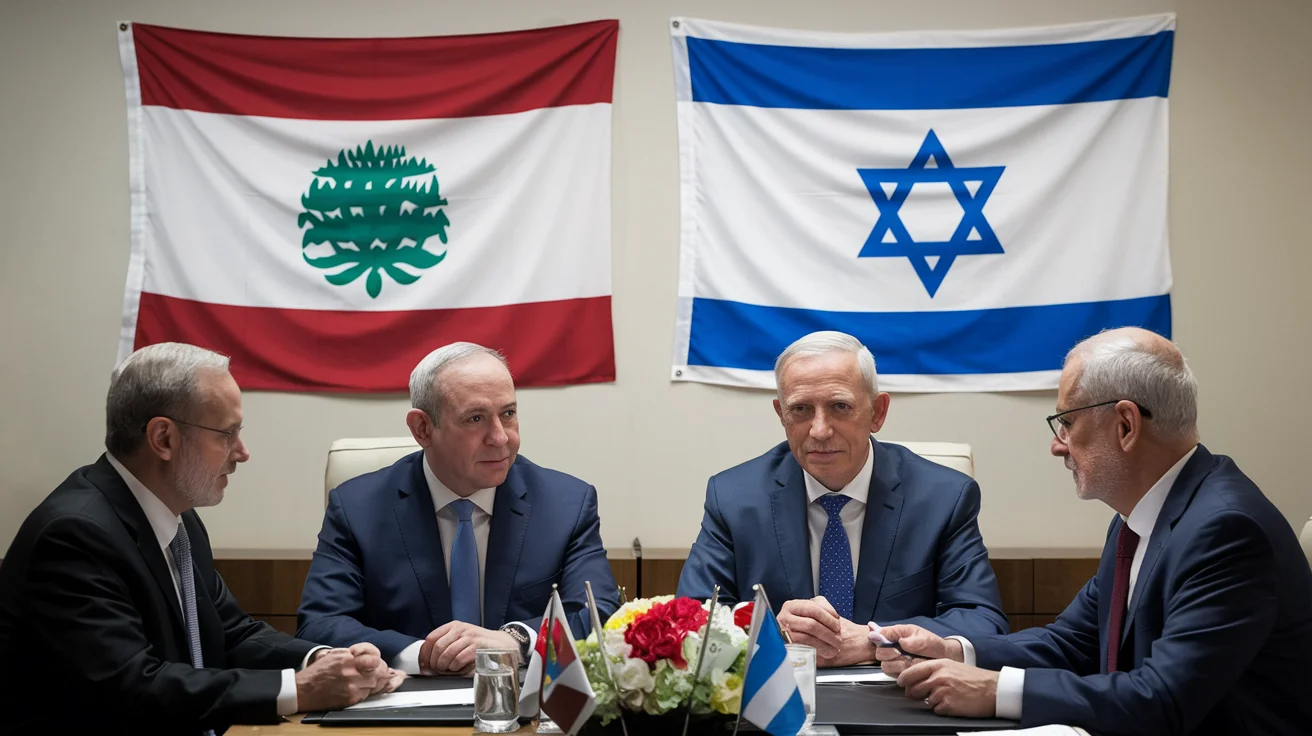
Israel's occupation in Lebanon is seen as a tool for negotiations, according to experts, as conflicts escalate.
Israeli forces have issued new evacuation orders in southern Lebanon, leading to widespread displacement amid ongoing airstrikes on Beirut and other areas. This military escalation follows Hezbollah's attacks on Israeli sites, triggered by a joint US-Israeli operation against Iran in late February.
The human toll is severe, with Lebanon's Ministry of Public Health reporting about 850 deaths, including 107 children and 66 women, since the offensive began on March 2. Over one million people have been displaced, straining shelters across the country.
Israeli Strategy and Occupation
Analysts indicate that Israel is strategically occupying Lebanese territory to gain leverage in ceasefire negotiations. Ziad Majed, a political science professor, states that this involves pressuring Lebanon to disarm Hezbollah under US and French supervision.
Israeli troops have deployed six divisions, approximately 100,000 soldiers, along the northern border, focusing on key areas like the town of Khiam. Retired Lebanese Brigadier-General Bahaa Hallal describes Khiam as a critical point that could allow Israel to control communications and establish a buffer zone.
French President Emmanuel Macron has proposed hosting direct talks in Paris and delivered humanitarian aid, including 60 tonnes of supplies and armoured vehicles for Lebanese forces. However, experts argue that Israel's military actions are overshadowing these diplomatic efforts.
Within Lebanon, communal divisions are deepening, with reports that Speaker Nabih Berri has excluded Shia representatives from a potential delegation for ceasefire talks. Political analyst Toni Boulos calls for the Lebanese army to disarm Hezbollah, while others warn of potential military fractures.
Neither side shows immediate willingness to concede, with Israeli Foreign Minister Gideon Saar demanding action against Hezbollah and Hezbollah's Naim Qassem insisting on battlefield outcomes. This situation echoes historical tensions, such as the 1983 Israeli invasion and subsequent failed peace agreement.