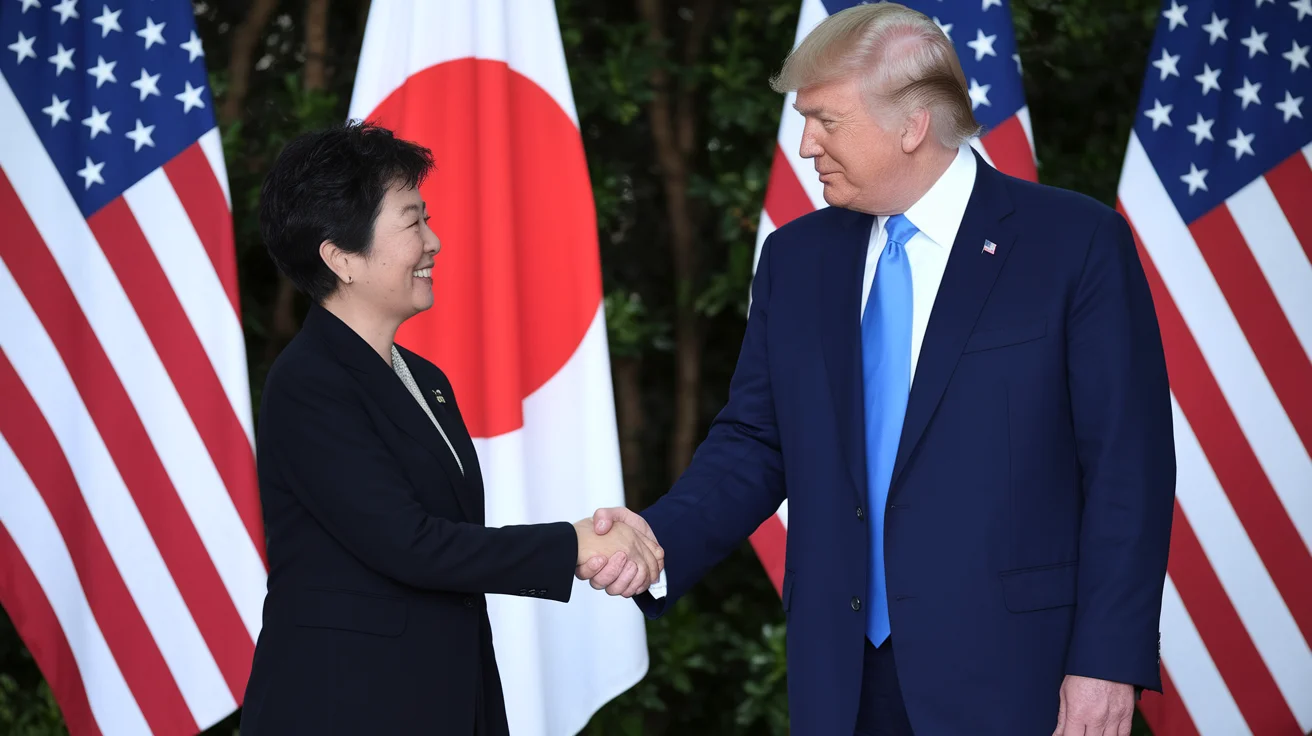
Takaichi aims to discuss trade and alliances with Trump, but the meeting is overshadowed by the Iran war and Japan's reluctance to provide military assistance.
Japanese Prime Minister Sanae Takaichi departed for Washington to meet U.S. President Donald Trump, expecting challenging discussions amid escalating tensions in the Iran conflict. Takaichi told parliament she would prioritize Japan's national interests during the talks, scheduled for a three-day visit originally focused on trade and strengthening the U.S.-Japan alliance.
Trump recently called for allies, including Japan, to help secure the Strait of Hormuz, a vital route for oil shipments, citing their dependence on Middle Eastern fuel. He pointed out that the U.S. gets less than 1% of its oil from the strait, while Japan relies on it for nearly 95% of its oil imports, but allies responded lukewarmly, leading Trump to retract his request on social media.
Takaichi acknowledged the trip's difficulties, stating she would advocate for Japan's perspective and push for de-escalation in the region. Japan's pacifist constitution, adopted after World War Two, limits its ability to provide direct military assistance, and recent polls show 82% of Japanese voters oppose involvement in the conflict.
Broader Agenda Includes China and Trade
Beyond the Iran issue, Takaichi and Trump are expected to address concerns about China, including Japan's strategic challenges and potential activation of self-defense forces in response to threats against Taiwan. Ties between Tokyo and Beijing have worsened since Takaichi's earlier remarks on the matter.
The leaders will also discuss Japan's participation in the U.S. Golden Dome missile defense system, with an initial $25 billion allocated for the project. On trade, Takaichi plans to announce additional investments worth about $100 billion in the U.S., following earlier commitments that reduced tariffs on Japanese auto imports from 27.5% to 15%.
However, the meeting occurs as the U.S. investigates unfair trade practices involving Japan, which could lead to new tariffs. Analysts note that the outcome depends on Trump's approach, given his transactional view of alliances, making this a critical test for U.S.-Japan relations amid global uncertainties.