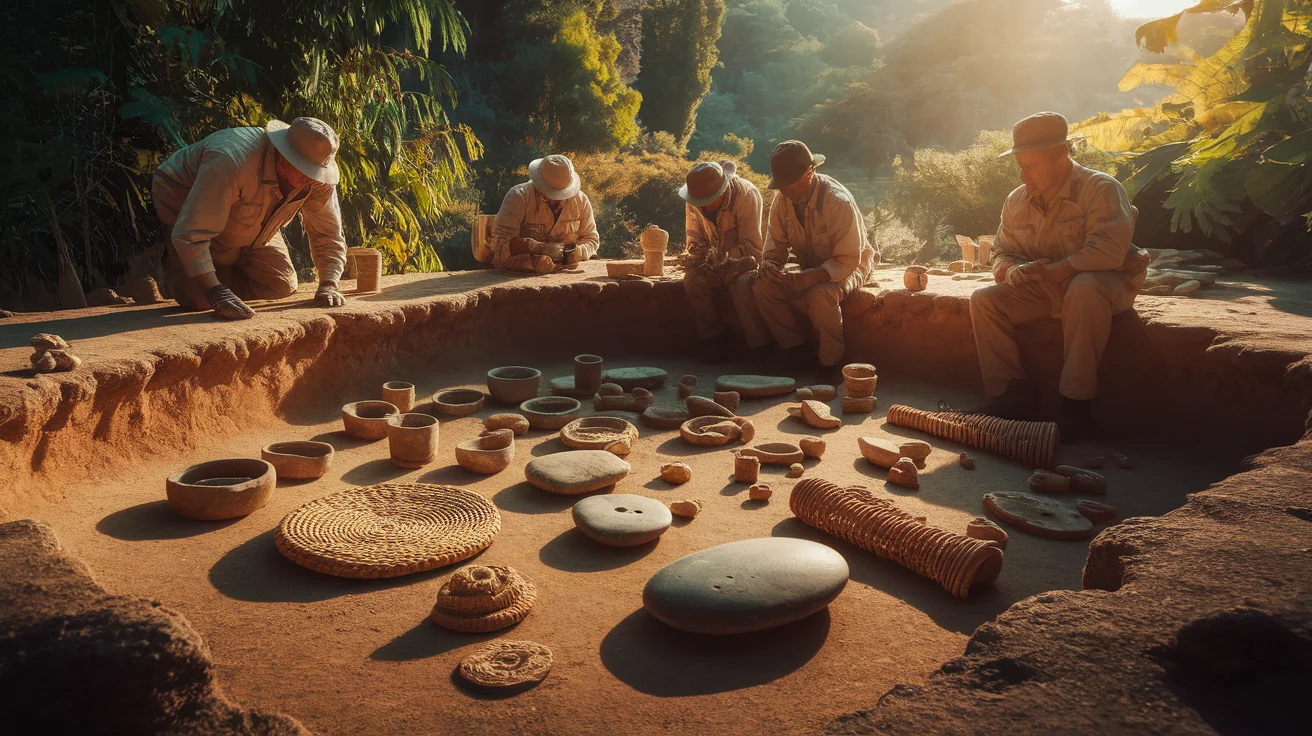
A new study revises the age of the Monte Verde archaeological site in Chile, highlighting ongoing refinements in dating ancient human presence without shifting key historical narra
University of Wyoming archaeologist Todd Surovell and colleagues have redated the Monte Verde site in southern Chile to approximately 8,000 years ago, overturning the earlier estimate of 14,500 years. This landmark site, located far from the Bering Land Bridge, was once seen as evidence of early human establishment in the Americas before the last Ice Age ended.
Background of the Monte Verde Site
Monte Verde is a significant archaeological location in southern Chile, initially discovered and dated by earlier researchers as one of the oldest sites in the Americas. The original dating suggested human activity around 14,500 years ago, which challenged theories about migration routes and timelines for peopling the continents.
Surovell's team reexamined the site using updated methods, determining that human occupation occurred around 8,000 years ago. This revision stems from their analysis of the site's artifacts and layers, as detailed in the Ars Technica report.
Despite the new date, experts note that this does not diminish Monte Verde's importance as evidence of ancient human presence. Other sites and evidence have since confirmed pre-Ice Age settlement, maintaining the established narrative on human migration.
The findings do not revive the "Clovis First" hypothesis, which posited that the Clovis culture was the earliest in the Americas. Surovell and his colleagues emphasize that multiple lines of evidence from other locations continue to support earlier arrivals.
According to the Ars Technica article, this updated dating reflects advancements in archaeological techniques but does not alter the broader picture of how and when humans populated the Americas. Researchers like Surovell highlight the need for ongoing studies to refine our understanding of prehistoric timelines.
The Monte Verde site's artifacts, including tools and remains, still provide valuable insights into early human life in South America, regardless of the revised age. This development underscores the dynamic nature of archaeological research, where new data can adjust specific details without overturning major theories.