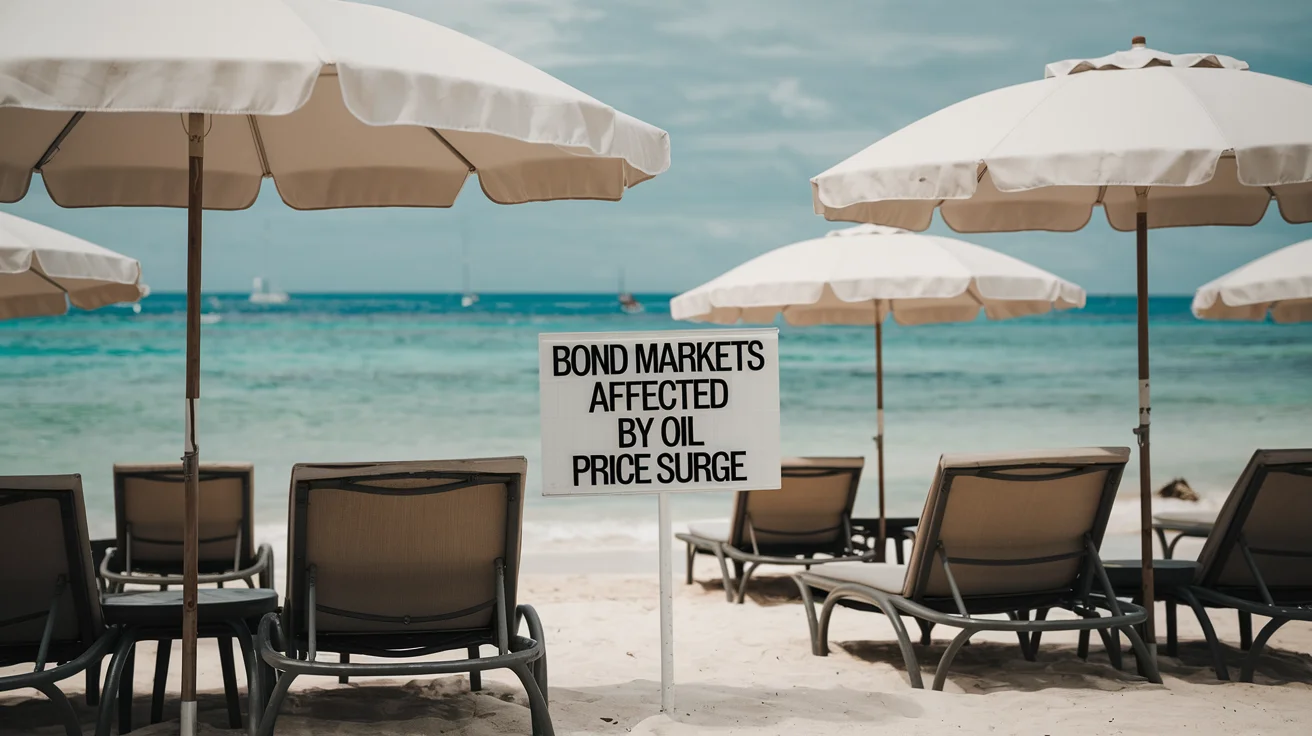
A surge in oil prices is affecting tourism-dependent economies in the Caribbean, resulting in lower bond values amid higher operational costs.
A recent surge in oil prices has created uncertainty for the travel industry in the Caribbean, where tourism relies heavily on affordable fuel for flights and local transportation. This development, reported on March 16, 2026, stems from global market fluctuations that have driven up energy costs.
Causes of the Oil Price Increase
Oil prices have risen due to a combination of supply disruptions and heightened global demand, according to market reports. Factors such as geopolitical tensions and production cuts by major exporters have contributed to this upward trend, making fuel more expensive for airlines and shipping companies servicing the Caribbean.
In the Caribbean, countries like Jamaica and the Bahamas depend on oil imports for their economies. Higher oil prices directly translate to increased costs for air travel, cruise operations, and local logistics, putting pressure on an industry that accounts for a significant portion of regional GDP.
Impact on Travel and Bonds
The elevated oil costs are leading to reduced travel demand as airlines raise ticket prices and tourists opt for cheaper alternatives. This shift is evident in booking data, which shows a slowdown in reservations for Caribbean destinations.
Consequently, bond markets in the Caribbean have reacted negatively, with yields rising as investors worry about economic stability. For instance, bonds from tourism-reliant nations have seen declines, reflecting concerns over potential revenue shortfalls from decreased visitor numbers.
To mitigate these effects, some Caribbean governments are exploring subsidies for fuel or diversifying tourism strategies, such as promoting eco-friendly travel options. However, the success of these measures remains uncertain as oil prices continue to fluctuate.
Broader economic implications include higher inflation rates and reduced foreign investment in the region. Experts in financial markets note that sustained high oil prices could exacerbate existing debt burdens for these island nations.
In summary, the oil price surge underscores the vulnerability of the Caribbean's travel-dependent economy, highlighting the need for adaptive policies to buffer against global energy market volatility.