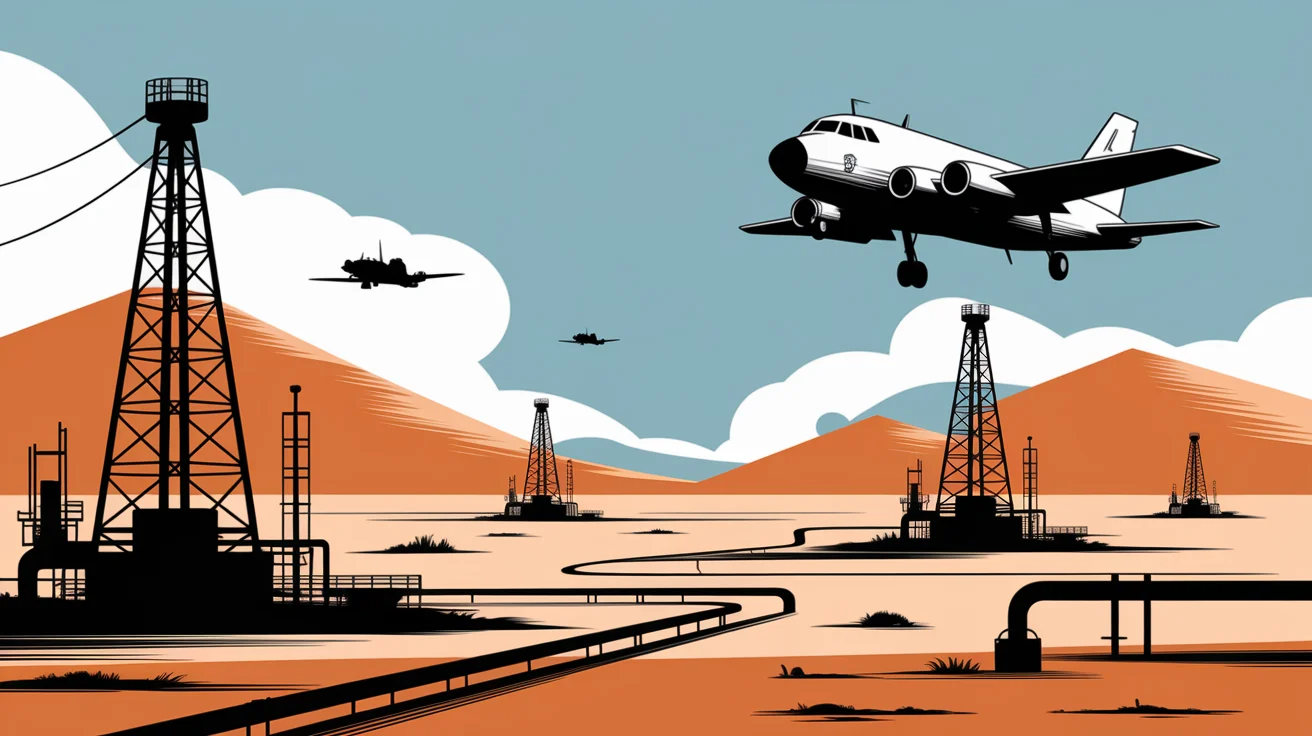
Oil prices rose sharply after Iran and Israel exchanged strikes on energy facilities, raising concerns about supply disruptions.
Oil prices experienced a significant increase on March 18, 2026, after reports emerged of strikes between Iran and Israel targeting energy facilities. This event marks a escalation in their ongoing disputes, directly affecting global oil supplies and market stability.
Background of the Iran-Israel Tensions
The conflict between Iran and Israel has roots in longstanding geopolitical rivalries, including disputes over regional influence and security. Iran has been accused of supporting proxy groups that target Israeli interests, while Israel has conducted operations to counter perceived threats from Iran.
Recent developments include a series of retaliatory actions, with Iran reportedly striking Israeli-linked targets and Israel responding with precision attacks. Energy facilities, such as oil terminals, have become focal points due to their strategic importance.
Impact on Oil Markets
The strikes disrupted operations at key sites, potentially reducing oil output and exports from the region. This led to immediate volatility in oil prices, with benchmarks like Brent crude rising sharply as traders factored in the risk of prolonged supply interruptions.
Global markets reacted quickly, with oil-importing countries monitoring the situation for potential price hikes and shortages. Analysts noted that such events could influence energy policies worldwide, prompting stockpiling or alternative sourcing strategies.
In response, international organizations called for de-escalation to prevent further economic fallout. The incident underscores the vulnerability of global energy supplies to regional conflicts, affecting industries from transportation to manufacturing.
Broader effects include potential increases in fuel costs for consumers and businesses, with some countries considering emergency reserves. It remains unclear how long the disruptions will last or if diplomatic efforts will succeed in restoring calm.
As the situation develops, energy experts emphasize the need for diversified supply chains to mitigate future risks. This event serves as a reminder of how interconnected global trade is with geopolitical events in oil-producing regions.