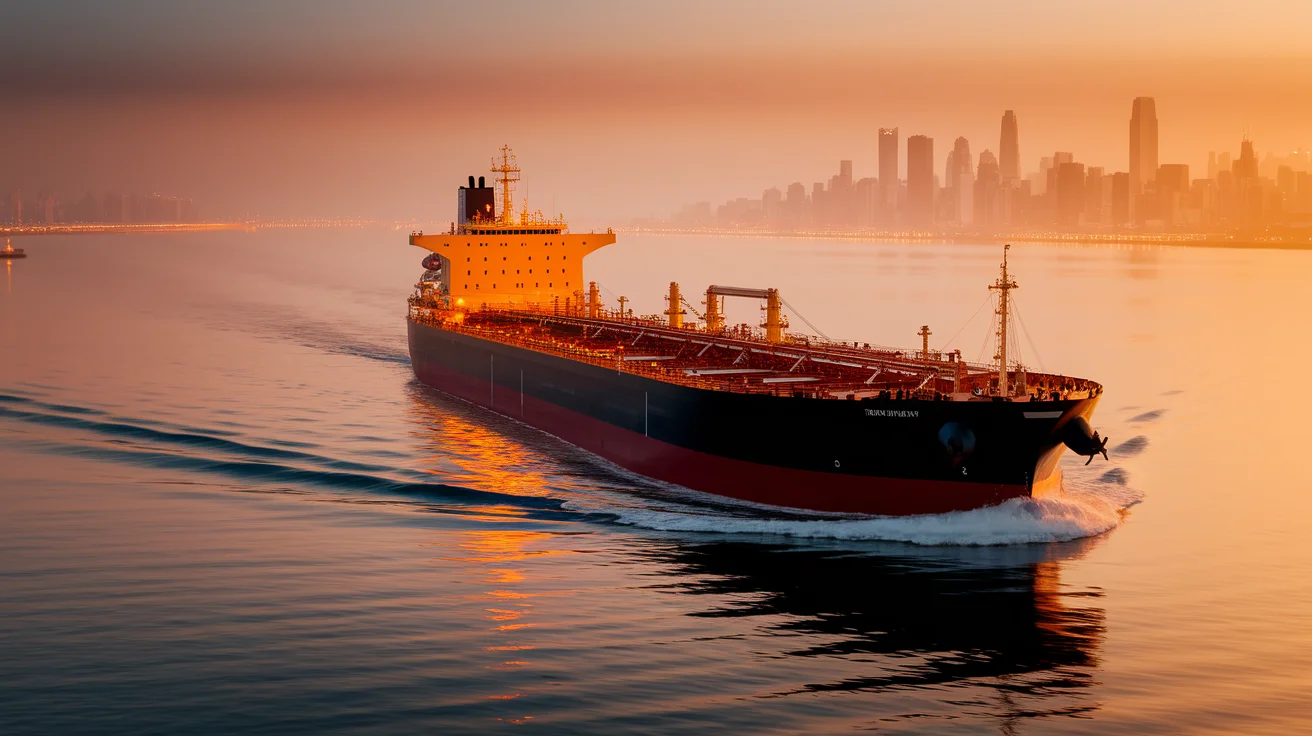
Russian Urals oil prices have climbed to around $90 per barrel following the US decision to temporarily waive sanctions amid the conflict.
Russian oil has seen a significant price increase amid the US-Israel war on Iran, which began on February 28, 2026. According to Al Jazeera, the price of Russian Urals oil has risen to around $90 per barrel from less than $60 before the conflict, following US President Donald Trump's decision to temporarily ease sanctions on Russian oil after a phone call with Russian President Vladimir Putin on March 10, 2026.
War's Impact on Global Oil Supply
Iran's closure of the Strait of Hormuz has disrupted 20 percent of the world's oil and gas supply, prompting the US to allow some countries to import Russian oil to address the shortage. This move has enabled Russia to fill the supply gap, with analysts noting that global refiners are seeking alternative crudes like Russia's Urals grade.
Figures from the Centre for Research on Energy and Clean Air indicate that Russia earned an additional 672 million euros in oil sales during the first two weeks of the war. The conflict escalated when Israel and the US launched strikes on Tehran, killing senior Iranian officials, and Iran retaliated with missile and drone attacks on Israeli and US assets.
Recent reports show that at least seven tankers carrying Russian oil, originally headed to China, have changed course to India. Indian media confirmed that one such tanker, the Aqua Titan, is now destined for New Mangalore port on March 21, 2026, chartered by Mangalore Refinery and Petrochemicals Limited.
India has become a major buyer of Russian oil, receiving a US exemption to import shipments already at sea. According to energy analyst George Voloshin, India and China together account for the vast majority of Russia's seaborne exports, with Turkey also purchasing Russian crude to stabilize its domestic market amid the shortages.
The price of Brent crude has risen above $100 per barrel since the strait closed, compared to about $65 before the war. This surge highlights how energy-producing nations like Russia are profiting from the crisis, as buyers prioritize energy security over other concerns.