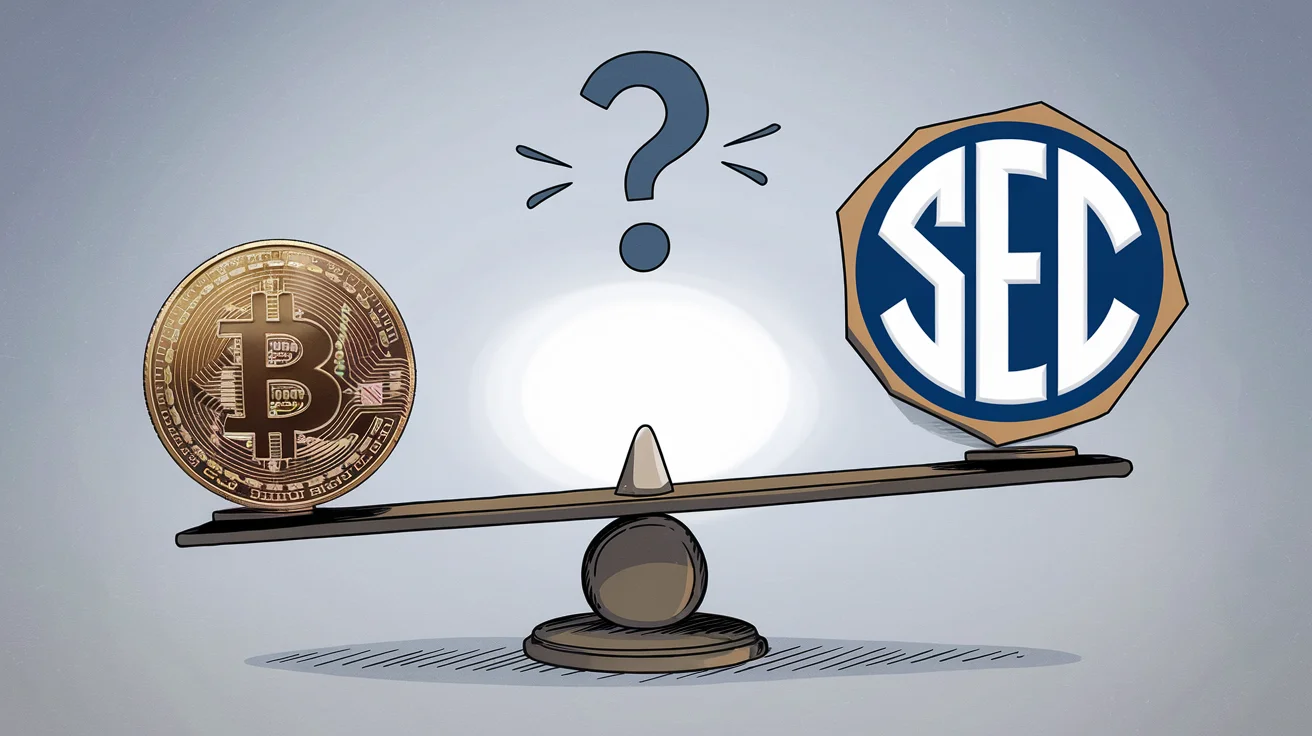
SEC clarifies that most crypto assets are not securities, outlining classifications and regulatory boundaries.
The U.S. Securities and Exchange Commission (SEC) released an interpretative notice stating that most crypto assets will not be considered securities under federal law. This announcement aims to clarify how digital assets are classified, serving as a bridge while Congress considers related market structure legislation.
The notice outlines a token taxonomy, categorizing digital commodities, digital collectibles, digital tools, stablecoins, and digital securities. It specifies conditions under which a non-security crypto asset might or might not qualify as an investment contract, including details on airdrops, protocol mining, staking, and asset wrapping.
SEC Chair's Statement on the Interpretation
SEC Chair Paul Atkins described the interpretation as drawing clear lines for regulation, acknowledging that most crypto assets are not securities. He noted that only tokenized traditional securities remain under securities laws, urging market participants to review the document for understanding jurisdictional boundaries between the SEC and the CFTC.
This development follows a recent memorandum of understanding between the SEC and the Commodity Futures Trading Commission, aimed at harmonizing oversight of crypto and other markets. The SEC's notice comes as U.S. Senate lawmakers negotiate a digital asset market structure bill that could grant the CFTC more authority over cryptocurrencies.
In related news, the SEC announced changes in its enforcement leadership, with Margaret Ryan resigning as enforcement division director and Sam Waldon stepping in as acting director. Former SEC official John Reed Stark criticized the shift, claiming it prioritizes large financial players over investor protection.
The SEC currently operates with only three commissioners, all Republicans, as no new nominations have been announced by U.S. President Donald Trump. This interpretation reflects ongoing efforts to adapt federal regulations to the evolving crypto landscape, potentially influencing future oversight.