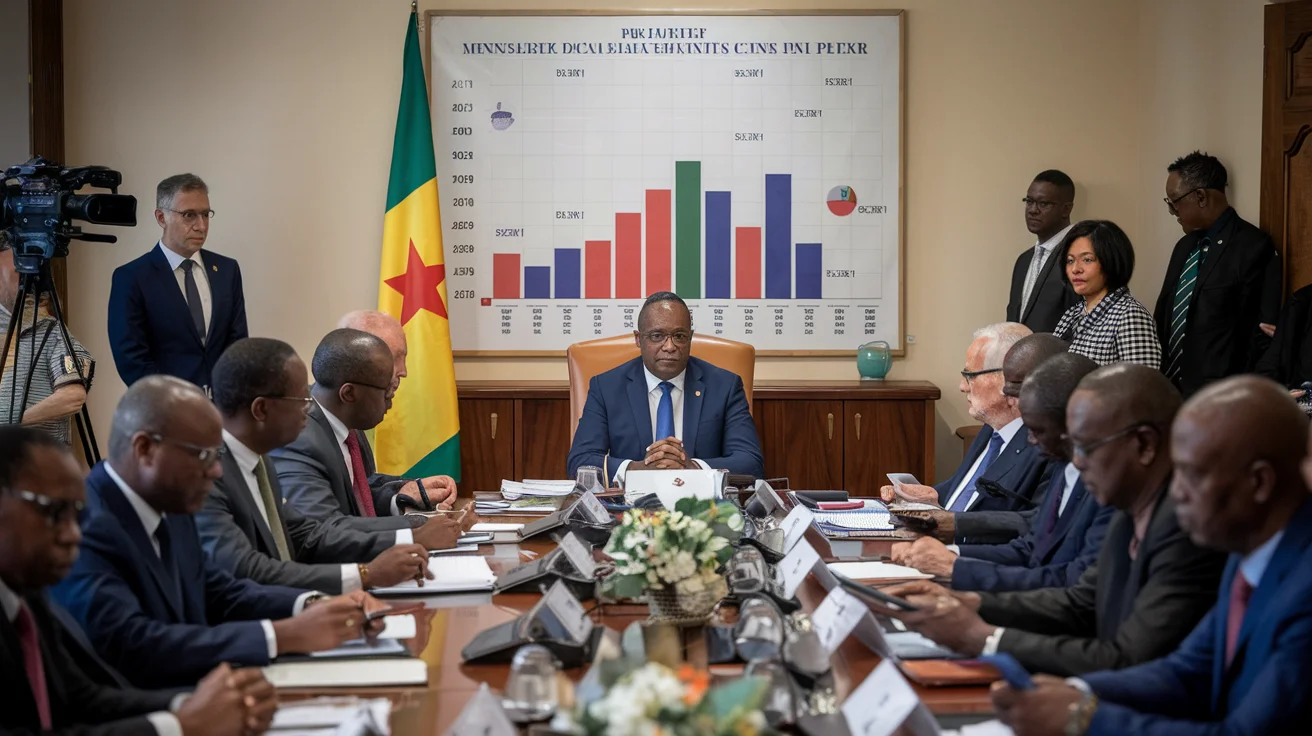
Senegal borrows regionally to tackle debt issues, buying time for economic adjustments.
Senegal has launched a significant borrowing initiative from regional partners to alleviate its mounting debt crisis, according to reports from financial sources. This strategy involves securing funds through regional financial institutions and agreements, which helps cover immediate fiscal shortfalls and prevents default on existing loans.
The debt crisis in Senegal stems from years of high public spending, declining commodity prices, and external shocks such as global inflation. As a result, the country's debt-to-GDP ratio has risen sharply, putting pressure on its economy and limiting funds for essential services like healthcare and education.
Background of the Crisis
Senegal's economic challenges began intensifying in the early 2020s, exacerbated by global events including the COVID-19 pandemic and rising energy costs. The government has historically relied on international loans, but recent shifts have favored regional borrowing from bodies like the West African Economic and Monetary Union to reduce dependency on Western creditors.
This borrowing spree includes issuing bonds and securing loans from neighboring countries and regional banks, which offer more favorable terms and faster disbursements. Experts attribute this approach to Senegal's efforts to stabilize its currency and maintain investor confidence amid volatile global markets.
Current Measures and Outcomes
In response, the Senegalese government is implementing austerity measures, such as cutting non-essential expenditures and reforming state-owned enterprises, to address the root causes of the debt. These steps aim to achieve fiscal balance by 2027, allowing Senegal to renegotiate terms with creditors and attract foreign investment.
While this regional borrowing provides temporary respite, it also carries risks, including higher interest rates from regional lenders and potential strain on regional financial stability. Observers note that successful debt restructuring could position Senegal for stronger economic growth, particularly in sectors like agriculture and mining.
Looking ahead, Senegal plans to diversify its economy through investments in renewable energy and infrastructure, which could reduce future borrowing needs. This approach underscores the broader challenges faced by developing nations in managing debt amid global economic uncertainties.