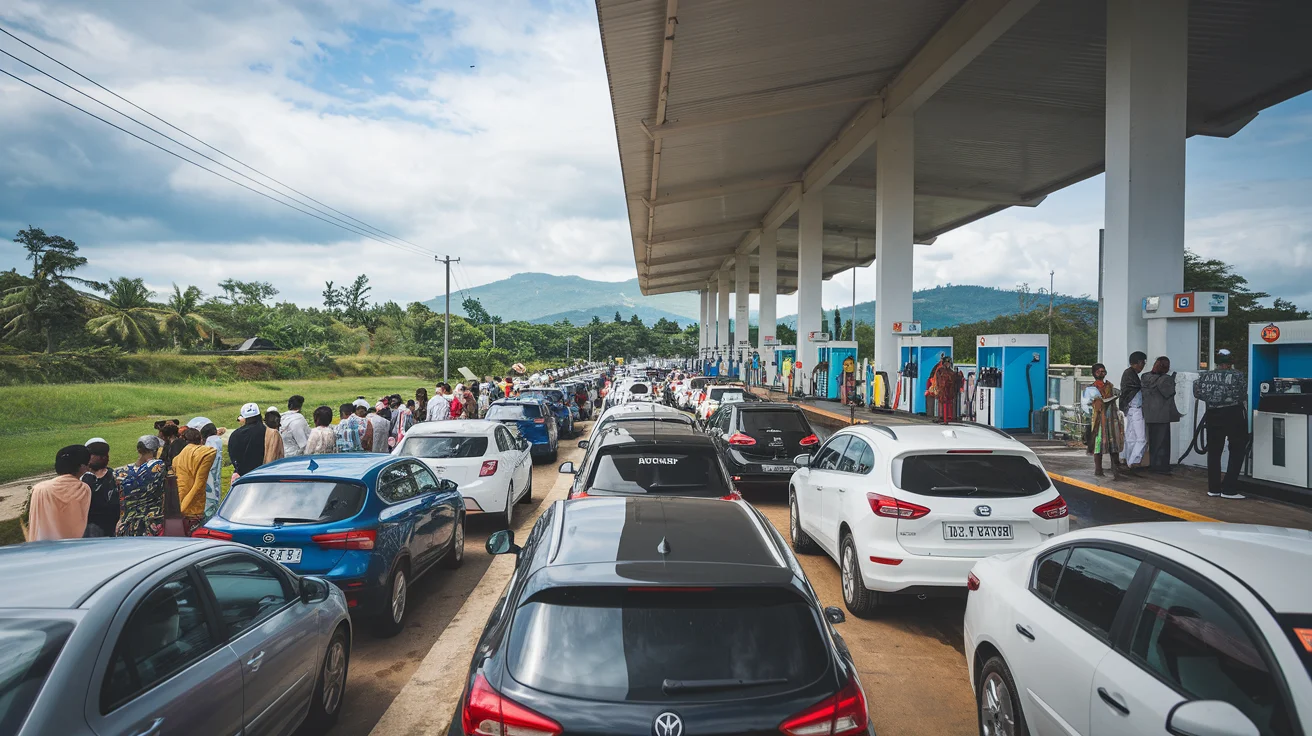
Sri Lanka introduces weekly holidays and fuel rationing to combat shortages, while countries like Thailand and Bangladesh implement their own conservation strategies.
Sri Lanka has announced that every Wednesday will be a public holiday for government offices, schools, and universities to conserve fuel amid fears of shortages due to the ongoing conflict involving the US and Israel against Iran. President Anura Kumara Dissanayake stated during an emergency meeting that the nation must prepare for potential disruptions in fuel supplies, as the Strait of Hormuz, a key oil route, faces risks.
Sri Lanka's Specific Measures
In addition to the new holiday, Sri Lankan authorities have introduced a National Fuel Pass system that limits fuel purchases to 15 liters for private cars and five liters for motorcycles. This rationing echoes measures from 2022 during the country's economic crisis, when foreign reserves were depleted, leading to import shortages. Officials chose Wednesday to avoid consecutive days off for government operations, ensuring essential services like health and immigration remain operational.
The decision comes as oil prices have surged to around $100 per barrel following recent military actions, highlighting Sri Lanka's vulnerability as an oil-importing nation. Motorists have expressed dissatisfaction with the fuel quotas, viewing them as insufficient for daily needs.
Responses from Other Asian Countries
Across Asia, governments are taking steps to mitigate the impact of potential fuel disruptions. In Thailand, authorities are encouraging people to wear lighter clothing to cut air conditioning use, while in Myanmar, vehicles are restricted to alternate days based on license plates.
Bangladesh has advanced Ramadan holidays for universities and imposed scheduled blackouts to save energy. The Philippines requires some government employees to work from home at least one day a week and has banned non-essential official travel. In Vietnam, citizens are urged to cycle, carpool, or use public transport and limit personal vehicle use.
These measures reflect Asia's heavy reliance on oil from the Gulf, with nearly 90% of shipments through the Strait of Hormuz destined for the region last year. The collective actions underscore the broader challenges Asian countries face in maintaining energy security amid global tensions.