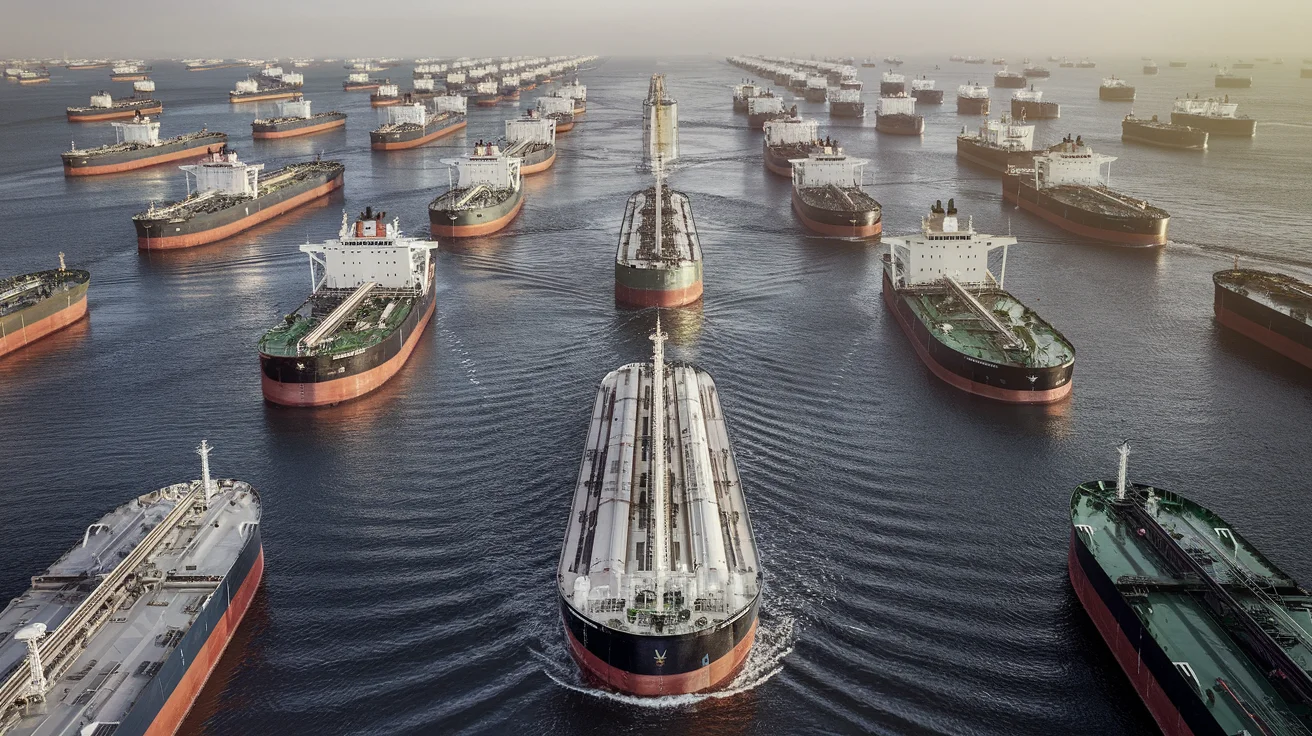
Reports show an increasing armada of tankers opting for Red Sea routes amid global oil shipping dynamics.
A Bloomberg report highlights that an increasing number of oil tankers are seeking oil supplies via the Red Sea, aiming to avoid the Strait of Hormuz. This development stems from the original article dated March 16, 2026, which points to shifting patterns in global oil transportation.
The Strait of Hormuz and Its Role in Oil Trade
The Strait of Hormuz is a narrow waterway between the Persian Gulf and the Gulf of Oman, serving as a critical chokepoint for global oil exports. It handles about a fifth of the world's oil shipments, making it a vital artery for countries in the Middle East.
The Red Sea offers an alternative pathway for oil transport, connecting to the Suez Canal and providing access to markets in Europe and beyond. This route has historical significance, with tankers using it to link African and Asian oil sources.
Reasons for bypassing the Strait may include geopolitical tensions or security concerns, though specific details remain unclear from available reports. Tankers from various operators are adapting by exploring these alternatives to maintain supply chains.
Global oil trade involves multiple routes, and the Red Sea's use could affect shipping costs and delivery times. For instance, longer voyages via this path might increase fuel consumption for tankers.
The armada of tankers mentioned includes vessels typically carrying crude oil from major producers. Reports suggest this trend could involve dozens of ships, based on industry observations.
In response, some oil companies are adjusting strategies, such as diversifying suppliers or investing in alternative infrastructure. This shift aligns with broader efforts to enhance resilience in energy logistics.
The implications for global markets include potential price fluctuations if disruptions occur in key chokepoints. According to the report, this evolving pattern underscores the adaptability of the oil industry.