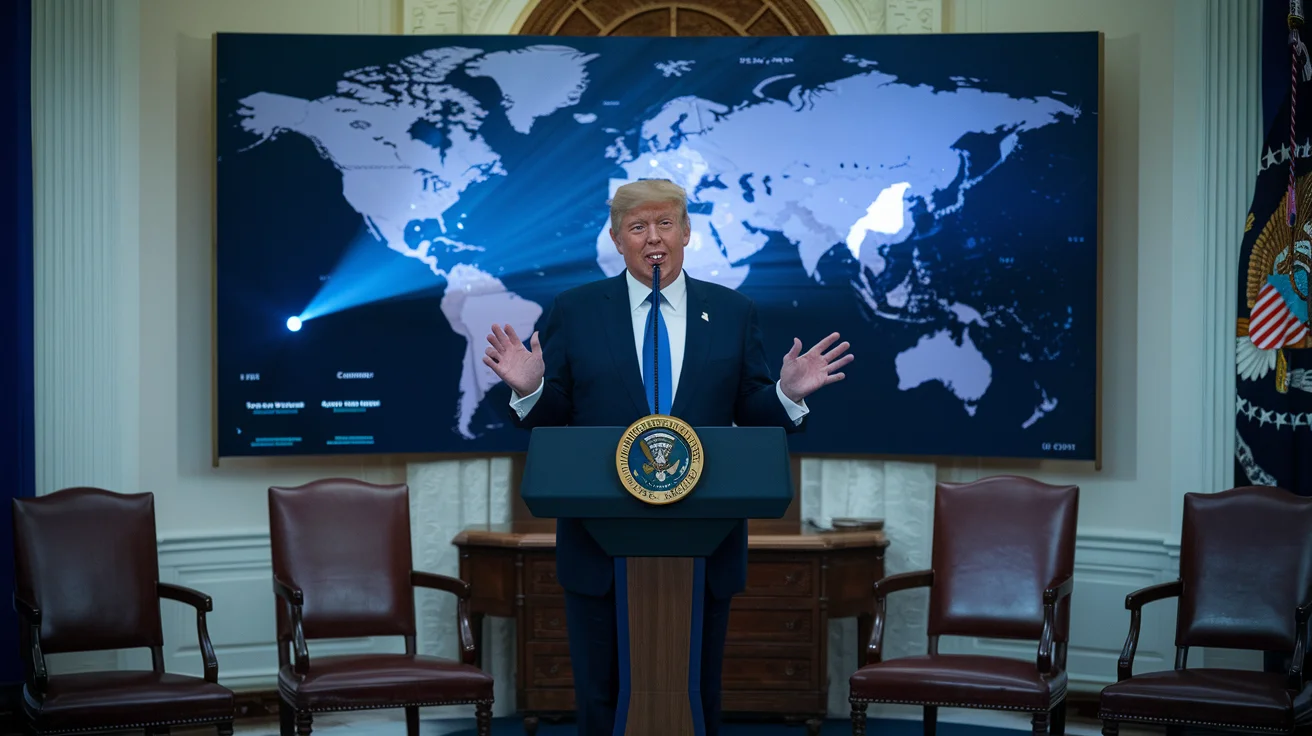
Trump delays China visit due to Iran war, as officials coordinate new timing.
US President Donald Trump stated on Monday that he plans to postpone his high-stakes visit to China by about a month, originally set for March 31 to April 2, due to the ongoing Iran war. He told reporters at the White House that staying available to manage the conflict is his priority.
Trump and Chinese President Xi Jinping last met face-to-face in October of the previous year. A Chinese foreign affairs spokesman, Lin Jian, confirmed on Tuesday that Beijing and Washington are discussing the timing and other details of the visit.
The Iran war has disrupted global oil supplies, potentially raising prices in the US and overshadowing other foreign policy matters for Trump. He emphasized that the delay is solely related to the war and not linked to trade issues or requests for Chinese assistance in the Gulf region.
US Treasury Secretary Scott Bessent echoed Trump's position, stating that the postponement allows the president to focus on coordinating the war effort from Washington. Bessent clarified that this decision is not connected to ongoing trade disagreements or calls for China to help secure the Strait of Hormuz.
Context of US-China Relations
Trump previously told the Financial Times that he might further delay the meeting if China does not assist in unblocking the Strait of Hormuz, a key waterway for energy shipments. This comes amid growing frictions, as China is a major buyer of Iranian energy and has criticized US and Israeli actions in the conflict.
Washington recently announced an investigation into trade practices involving China, following a Supreme Court ruling in February that struck down a Trump-era tariff policy. US and Chinese representatives met in Paris recently to negotiate issues like investments, tariffs, and economic sanctions, reaching consensus on some matters while agreeing to continue talks.
Chinese trade representative Li Chenggang stated that negotiators expressed serious concern over the US probe and urged maintaining economic stability. These developments highlight the broader tensions between the world's two largest economies, exacerbated by the Iran war.