US relocation of air defenses raises alarms in South Korea as North Korean threats persist.
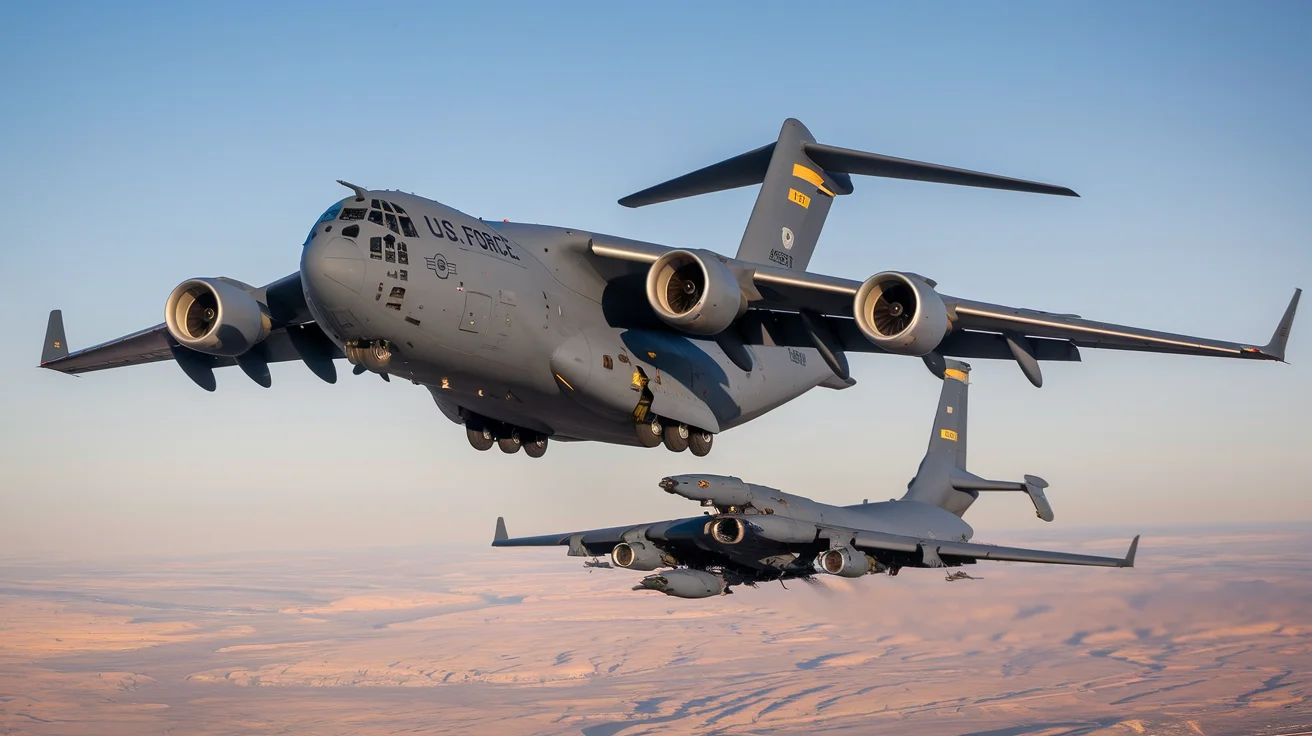
The United States is redeploying some Patriot and Terminal High-Altitude Area Defense (THAAD) systems from South Korea to the Middle East, according to reports from US officials cited by The Washington Post on March 9, 2026. This move aims to bolster US capabilities in the ongoing conflict with Iran.
North Korea launched 10 ballistic missiles into the Sea of Japan on March 14, 2026, highlighting the timing of the US redeployment and underscoring South Korea's need for robust missile defenses.
South Korean Official Responses
South Korean President Lee Jae-myung stated on March 10, 2026, that his government opposes the redeployment but cannot fully block it, as the US acts based on its military needs. US military transport flights from Osan Air Base have increased, though US officials have not confirmed details.
The Korea Herald editorial on March 11, 2026, warned that removing these systems could weaken the US-South Korea defense against North Korean ballistic missiles, posing serious security risks for Seoul.
There are concerns that the air defense systems may not return to South Korea after the Middle East crisis, as US President Donald Trump's administration pushes allies to handle more of their own defense responsibilities.
Trump has requested support from allies, including South Korea, to protect shipping in the Strait of Hormuz from Iranian attacks, as stated in his Truth Social post. South Korea's presidential office is carefully deliberating a response but has not committed.
South Korea has advanced its own defenses, such as the domestically developed Cheongung-II system, which has achieved 95% accuracy for the UAE in intercepting missiles and drones, providing some confidence amid the US drawdown.
Analysts like Leif-Eric Easley from Ewha Womans University noted that North Korea is unlikely to act militarily now but may use propaganda to exploit divisions between Seoul and Washington over the redeployment.