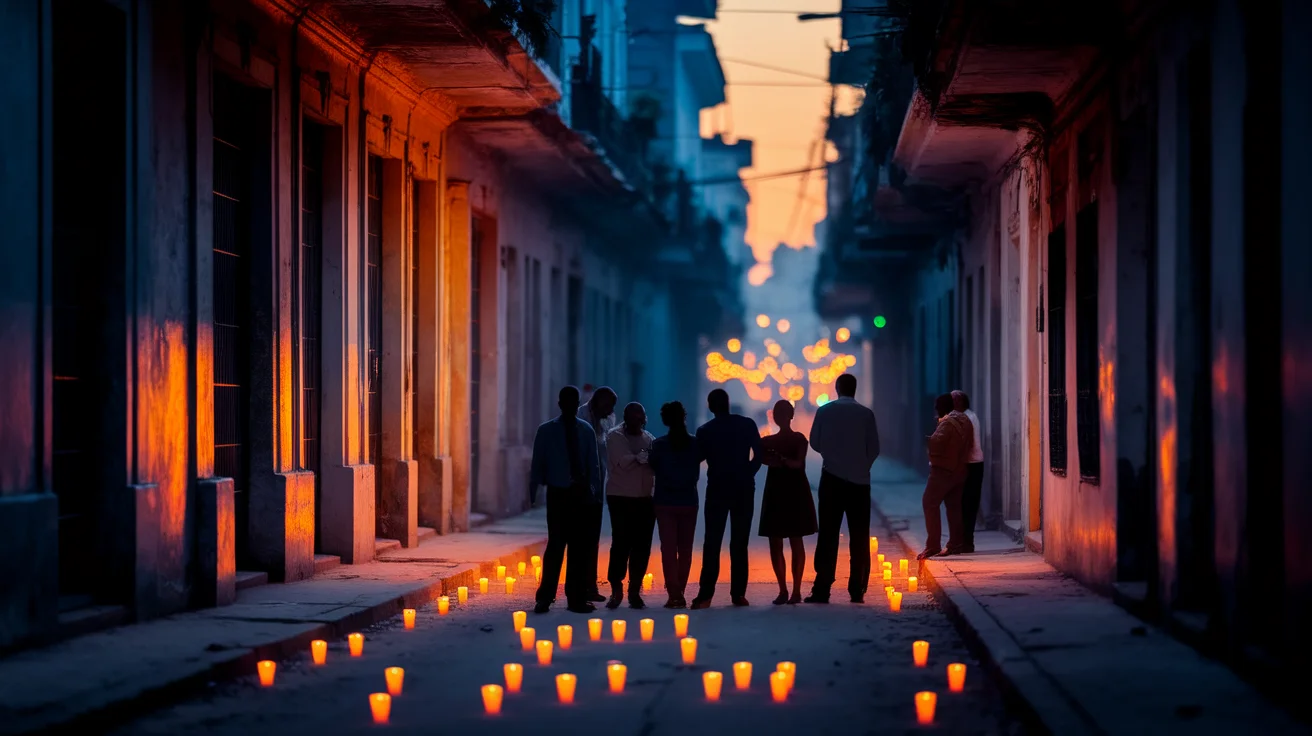
Cuba experiences another major blackout, exacerbating fuel shortages and sparking protests.
Cuba's national electrical system collapsed on March 22, 2026, marking the second blackout in a week and affecting more than 10 million people across the country. The energy ministry announced the total disconnection via social media and stated that restoration protocols are underway.
Causes and Immediate Response
The blackout stems from chronic fuel shortages and an ageing electricity infrastructure, as reported by Cuba's grid operator UNE. UNE is prioritizing the restoration of power to vital centers, including hospitals and water systems, to mitigate the impact on essential services.
This incident is the third major blackout in March 2026, directly linked to a U.S. fuel blockade that has curtailed foreign oil imports necessary for power stations. The Caribbean nation continues to face challenges in maintaining its energy supply amid these external pressures.
A coalition of international socialist groups arrived in Havana over the weekend, delivering aid including solar panels, basic food kits, and medicines. The 'Nuestra America' convoy from Mexico, delayed by rough seas, is expected to reach Havana's port on March 23, 2026, providing some relief to the affected population.
Rare public dissent has emerged in response to the power crisis, with residents in central Havana banging pots and pans on March 22, 2026. In the town of Morón, protesters attacked and set fire to the local Communist Party headquarters, highlighting growing frustrations.
Unauthorized demonstrations remain illegal in Cuba, with participants risking jail time. Meanwhile, U.S. President Donald Trump has publicly suggested a 'friendly takeover' of Cuba and linked the lifting of the fuel embargo to the removal of President Miguel Díaz-Canel, as reported in recent statements.
Cuban President Díaz-Canel confirmed that initial bilateral talks with the U.S. have occurred to address the crisis, though progress is unclear. On March 21, 2026, Cuban Deputy Foreign Minister Carlos Fernandez de Cossio stated that Cuba's political system and leadership are not subject to negotiation with the United States, according to Reuters.
In preparation for potential escalations, Díaz-Canel mentioned a defense plan to raise readiness against any U.S. military aggression during discussions with aid campaigners.