Israel's attacks have forced mass evacuations in Lebanon, leaving millions displaced and vulnerable amid the broader US-Israeli conflict with Iran.
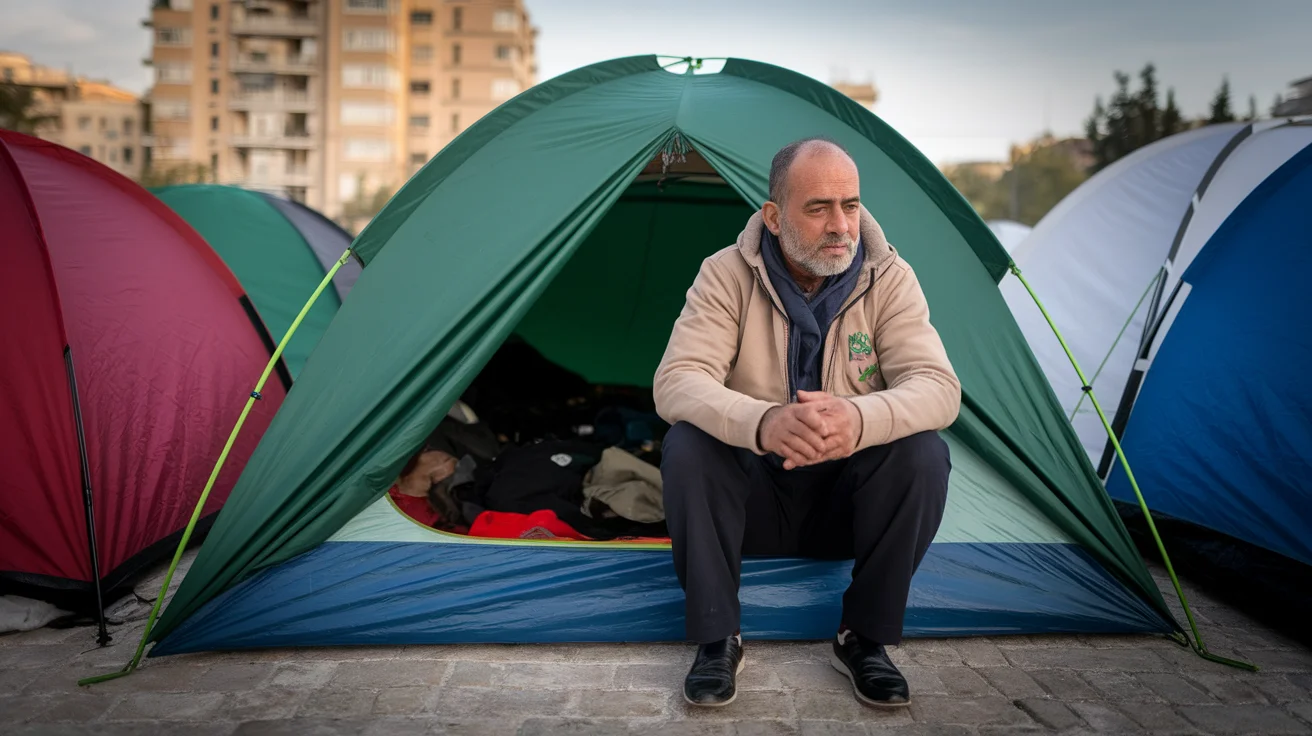
Beirut, Lebanon – Four weeks into the US-Israeli war on Iran, Israel's attacks have displaced about a quarter of Lebanon's population, with mass evacuation orders from southern regions and Beirut's southern suburbs.
Displacement and Humanitarian Impact
At least 1.2 million people have been displaced, according to the Lebanese government, leading to severe challenges for vulnerable groups including migrant workers, Syrians, and those with chronic illnesses like cancer and diabetes.
Israel intensified its operations on March 2, 2026, following Hezbollah's retaliation for the assassination of Iranian Supreme Leader Ayatollah Ali Khamenei, resulting in 1,094 deaths and 3,119 injuries in Lebanon as reported by the Ministry of Public Health.
Among the casualties are 81 women and 121 children, with aid workers noting that pregnant women and children are particularly affected, losing access to healthcare networks amid the chaos.
The crisis differs from previous conflicts, with experts like Anandita Philipose from UNFPA highlighting the unprecedented scale of displacement and targeting of civilian infrastructure.
Mental health services are overwhelmed, as evidenced by the National Lifeline in Lebanon reporting increased calls for support, with many already displaced before this escalation due to prior Israeli actions.
Even non-displaced residents face rising petrol prices, slowed business, and ongoing attacks, with no immediate end in sight as Israel declares intentions to occupy southern Lebanon and establish a security zone.