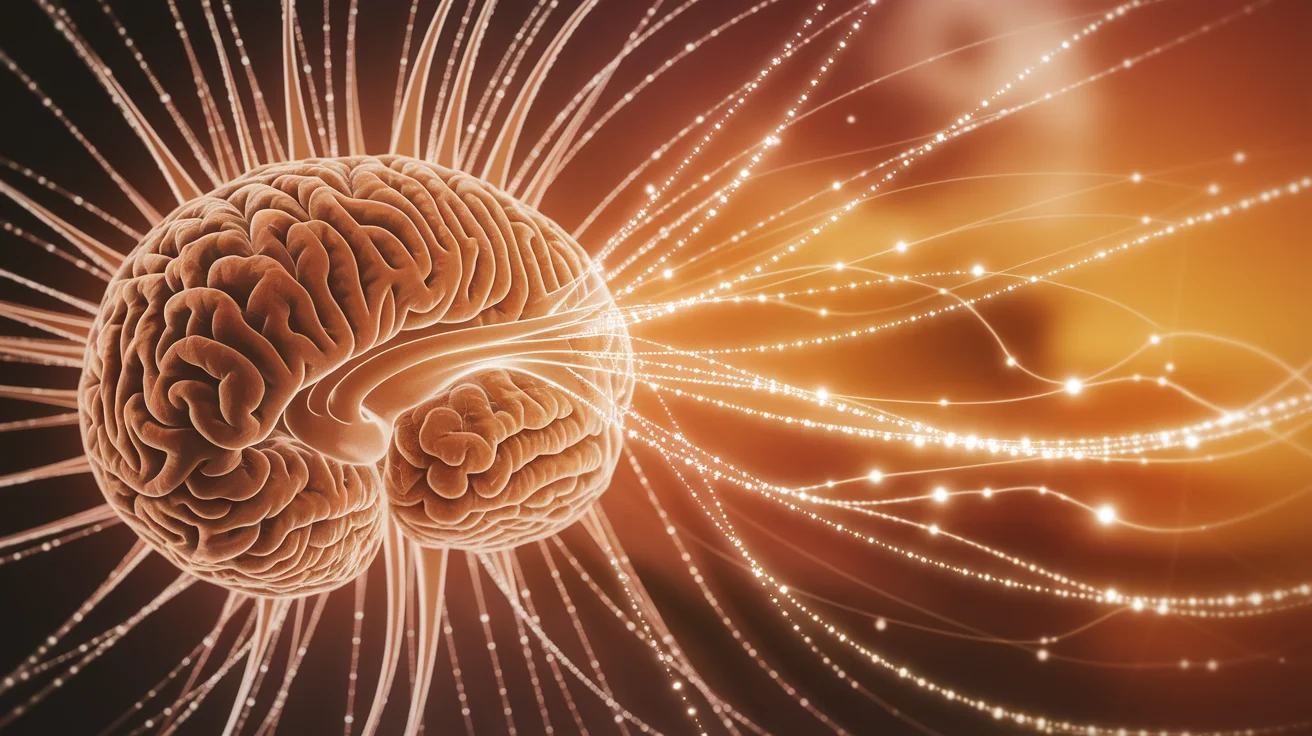
A new study reveals how climbing fibres interact with interneurons to enhance signals in Purkinje cells, potentially advancing understanding of cerebellar functions.
Climbing fibres in the cerebellum play a key role in instructing plasticity and learning by exciting Purkinje cells, as detailed in a Nature study. The research shows that these fibres also activate molecular layer interneurons, which can either inhibit or disinhibit Purkinje cells.
Scientists identified two types of interneurons: MLI1s, which inhibit Purkinje cells and suppress plasticity, and MLI2s, which inhibit MLI1s and thus disinhibit Purkinje cells. Serial electron microscopy revealed that climbing fibres contact both types without conventional synapses, but make more contacts with MLI2s.
Experimental Findings on Fibre Contacts
Slice experiments indicated that climbing fibres preferentially excite MLI2s through glutamate spillover. In vivo Neuropixels recordings confirmed that spontaneous climbing fibre activity excites MLI2s, inhibits MLI1s, and ultimately disinhibits Purkinje cells.
During learning-related sensory stimulation, the study observed complex responses where climbing fibres and granule cell inputs converge, often suppressing MLI1s when fibres are synchronously active. This suppression elevates Purkinje cell dendritic calcium signals, essential for long-term depression and cerebellar learning.
The research involved multiple authors, including Fernando Santos-Valencia, and used techniques like serial electron microscopy and Neuropixels recordings to provide mechanistic insights. These findings highlight how climbing fibres can enhance Purkinje cell signals despite activating inhibitory interneurons.
Published in Nature, the study underscores the importance of disinhibitory circuits in neural processes. It builds on previous work by showing specific interactions that allow climbing fibres to promote plasticity effectively.
The balance of interneuron activity, as demonstrated, is crucial for cerebellar functions, with implications for understanding learning mechanisms in the brain.
More Coverage
- Bitfarms Reports $285 Million Loss for 2025 but Shares Climb 6.6% on AI Shift
- Speechify Releases Windows App Using Local AI for Transcription and Dictation
- AI Music Licensing Challenges Highlight Need for Blockchain Infrastructure
- SXSW Rebounds as Premier Networking and Ideas Festival for Tech Founders and VCs