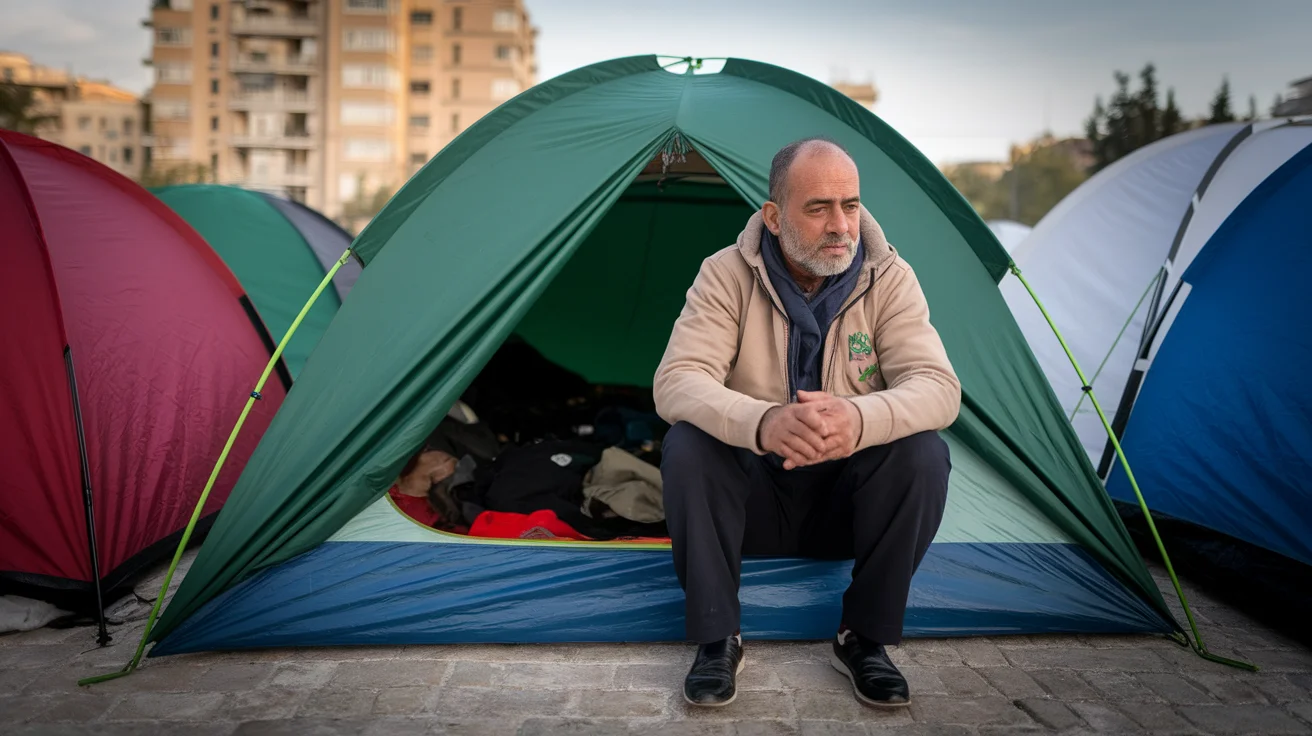
Costa Rica signs a deal to handle 25 weekly deportees from the U.S., joining other nations in Trump's deportation efforts amid ongoing criticisms.
Costa Rica announced it will accept 25 migrants deported from the United States per week under a new agreement tied to President Donald Trump's deportation policy. The Central American nation signed the pact on Monday during a visit from U.S. special envoy Kristi Noem, who oversees the 'Shield of the Americas' initiative.
This deal makes Costa Rica the latest country to enter a 'third-country' deportation agreement with the U.S. Other nations involved include South Sudan, Honduras, Rwanda, Guyana, and several Caribbean islands such as Dominica and St. Kitts and Nevis. These agreements allow the U.S. to send migrants to countries other than their own.
Details of the Agreement
Under the non-binding migration agreement, Costa Rica will process deportees according to its own migration laws and can accept or reject transfers. The government stated it will provide a special migratory status for these individuals and avoid sending them to countries where they might face persecution.
Costa Rican Public Security Minister Mario Zamora Cordero assured that deportees will be held in improved conditions compared to previous instances. He mentioned collaboration with the U.S. and the United Nations International Organization for Migration to facilitate returns to migrants' home countries.
Critics have raised concerns about such transfers, arguing they place vulnerable populations at risk. Last year, Costa Rica faced backlash for detaining about 200 deportees from countries like Russia, China, Uzbekistan, and Afghanistan, with many minors involved, leading to lawsuits and a supreme court order for their release.
The Trump administration has used these agreements to deport migrants who received legal protection in the U.S. At least seven African nations have similar deals, with reports indicating the U.S. has spent funds on such efforts, though specific amounts are not detailed in this context.
In a statement, Zamora emphasized that the new arrangement aims to ensure safe conditions for deportees while in Costa Rica, building on lessons from prior controversies involving detentions near the Panama border.