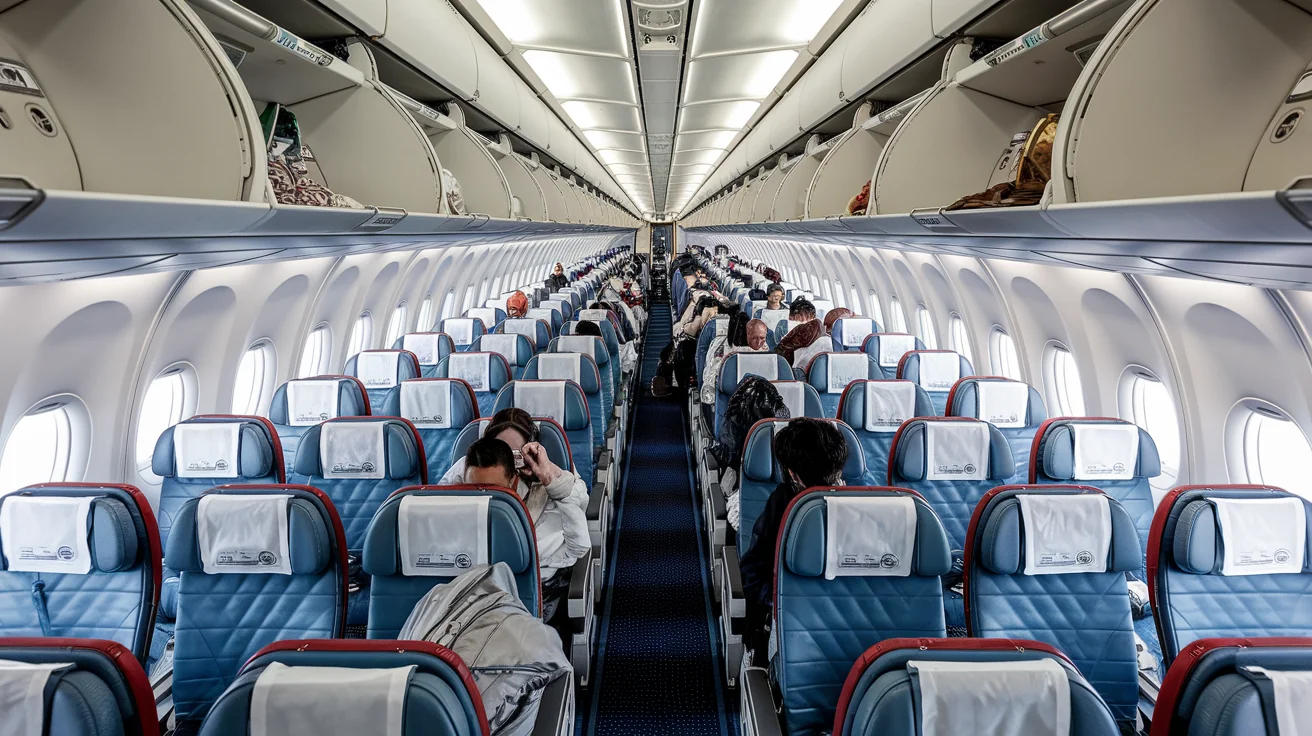
Reports indicate Emirates is running near-empty return flights to Dubai due to an exodus of locals, raising questions about airline efficiency.
Emirates airline, based in Dubai, has been operating flights back to the city with significantly reduced passenger loads as many residents depart, according to a Bloomberg report published on March 16, 2026. This development points to potential disruptions in the airline's schedule and resource allocation.
Background on Emirates Operations
Emirates is one of the world's largest international airlines, connecting Dubai to global destinations with a fleet that includes wide-body aircraft designed for long-haul routes. The airline plays a key role in Dubai's economy, supporting tourism and trade through its hub at Dubai International Airport.
Reports suggest that the near-empty flights stem from a wave of departures by locals, possibly linked to economic or social factors, though specific reasons remain unclear. This has forced Emirates to continue scheduled services despite low demand, as airlines must adhere to slot allocations and contractual obligations.
In the aviation industry, operating flights with low occupancy can lead to higher costs per passenger, including fuel, crew, and maintenance expenses. For Emirates, which relies on high passenger volumes for profitability, this situation could affect its financial performance in the short term.
Dubai's status as a global hub means such fluctuations in passenger traffic can influence broader airline strategies, including route planning and fleet management. According to industry practices, airlines like Emirates often adjust frequencies or use smaller aircraft to mitigate losses during periods of reduced demand.
While exact figures on the number of empty seats or affected flights are not available, the Bloomberg report indicates this is not an isolated incident, potentially reflecting wider trends in regional travel. Emirates has not publicly commented on the specifics, but such operations are common in the sector during off-peak times or external events.
The implications for passengers include possible fare adjustments or schedule changes, as airlines seek to balance costs. This event underscores the challenges of maintaining service levels in a dynamic global market, where factors like local migrations can impact daily operations.
Overall, this scenario highlights the resilience required in the airline industry, where external factors can quickly alter operational norms. As travel patterns evolve, airlines may need to adapt strategies to ensure sustainability.