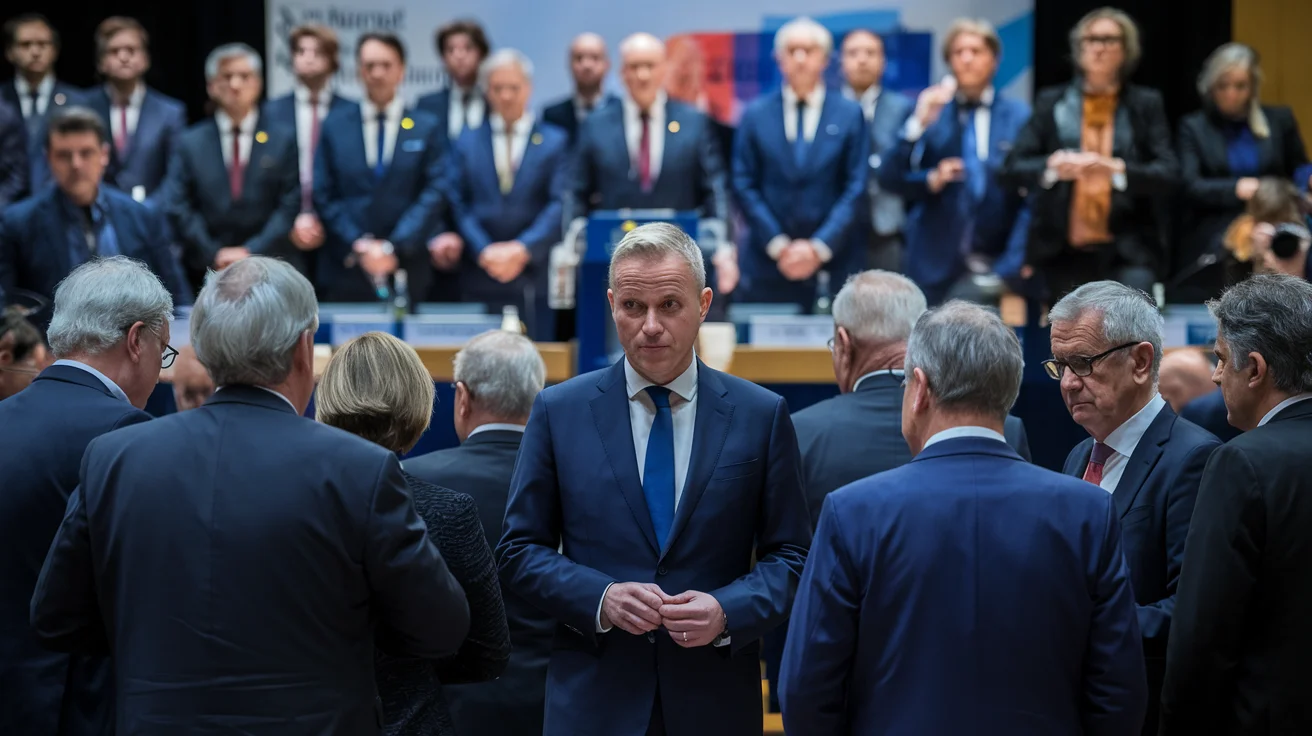
In a statement that sparked backlash, Belgian politician Bart De Wever urged closer ties with Russia, drawing sharp rebukes from European leaders concerned about security and past
Bart De Wever, a prominent Belgian politician and leader of the New Flemish Alliance party, recently called for normalizing relations with Russia, a proposal that has drawn widespread criticism from European counterparts.
De Wever's comments, made during a public address, suggested that Europe should engage more with Moscow to ease economic and diplomatic strains, but he did not provide specific details on how this would occur.
Reactions from European Leaders
Several European officials, including those from Germany and France, have publicly denounced De Wever's stance, arguing it undermines unity against Russian actions in Ukraine. For instance, a German foreign ministry spokesperson stated that such calls ignore ongoing conflicts and sanctions.
In France, officials emphasized the need to maintain a strong front, with one senior diplomat noting that normalizing ties could encourage further aggression from Russia, based on historical patterns since 2014.
The criticism extends to other European Union members, where leaders have reiterated commitments to existing policies, such as those outlined in EU summits, that prioritize security and human rights over rapprochement.
Broader Context of Europe-Russia Relations
Europe-Russia relations have been strained since Russia's annexation of Crimea in 2014 and the full-scale invasion of Ukraine in 2022, leading to sanctions and diplomatic isolation. De Wever's proposal comes at a time when energy dependencies and trade disruptions continue to affect European economies.
Despite these tensions, some European politicians have occasionally advocated for dialogue, though De Wever's remarks stand out for their direct call to normalize ties without conditions. It remains unclear if his views represent a wider sentiment or are isolated opinions within Belgium's political landscape.
Observers note that such debates could influence upcoming EU discussions on foreign policy, potentially affecting decisions on sanctions renewal. However, concrete outcomes from De Wever's comments are not yet evident, as European forums continue to address the issue.
In summary, the backlash against De Wever underscores the challenges Europe faces in balancing diplomacy with security concerns, with potential implications for international alliances.