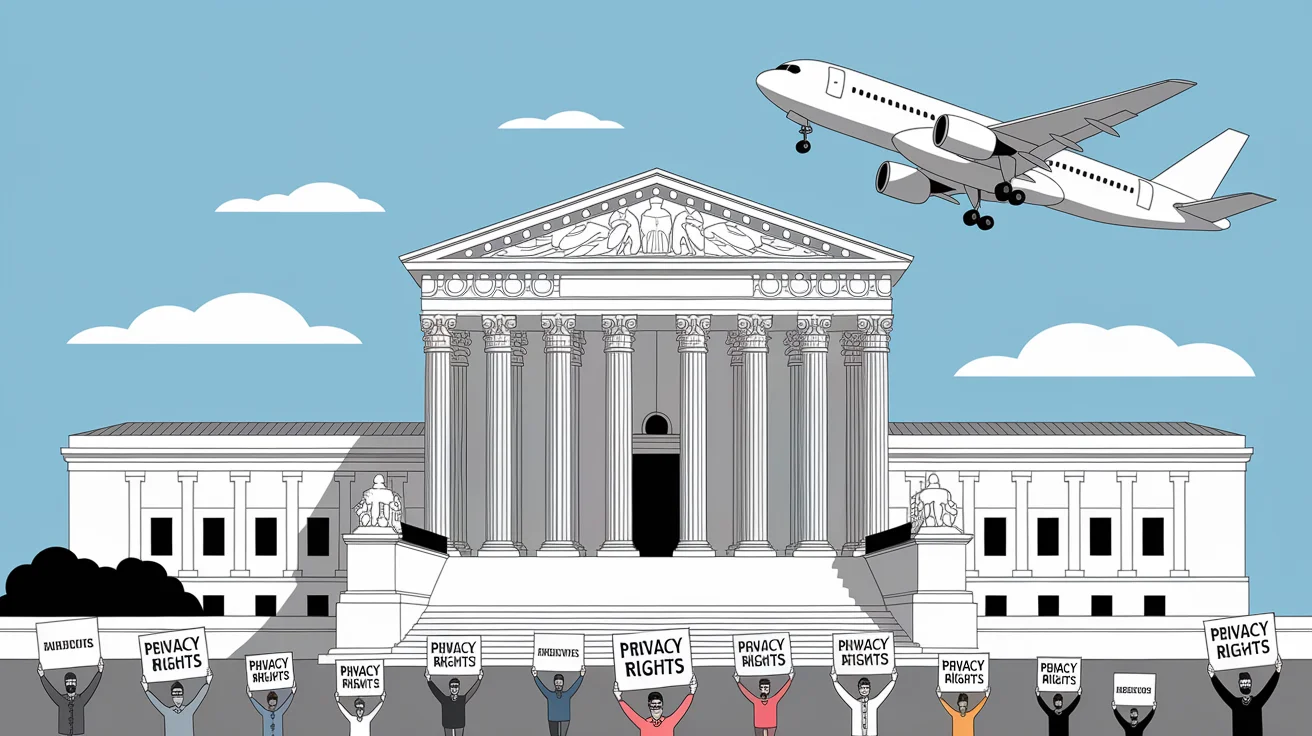
The Indian Supreme Court addresses petitions against the Digital Personal Data Protection Act, amid concerns over transparency, as authorities lift temporary airfare restrictions.
India's Supreme Court is scheduled to hear four petitions challenging the Digital Personal Data Protection Act (DPDP) on March 23, 2026. Petitioners, including transparency activists and journalists, argue that the amendments could dilute the Right to Information (RTI) Act by allowing officials to withhold public interest information.
The DPDP Act includes provisions that require consent for handling personal data, which media groups claim could hinder journalism by necessitating subject approval for news reports. The law also imposes fines up to $27 million for non-compliance, raising concerns about its impact on information access.
Petitioners' Allegations and Government Response
Petitioners assert that the DPDP Act undermines transparency and the RTI Act, potentially enabling the government to restrict information. The Indian government has denied these allegations, stating that the law aims to balance privacy rights with the need for information access.
Separately, India's civil aviation ministry announced on March 21, 2026, that temporary domestic airfare caps will be revoked on March 23. These caps were introduced in December 2025 following widespread cancellations by IndiGo, which stranded thousands of passengers.
The fare restrictions limited economy tickets to 7,500 rupees for flights up to 500 kilometers and 15,000 rupees for routes between 1,000 and 1,500 kilometers, such as New Delhi to Mumbai. With the caps lifted, ticket prices are expected to increase as airlines adjust fares without restrictions.
The airfare caps were implemented to stabilize the market after the IndiGo disruptions, which caused a surge in prices from other carriers. This development follows the ministry's earlier statement that the measures would end once the situation normalized.
As India navigates these changes, the outcomes of the Supreme Court hearing and the airfare adjustments could influence public access to information and travel costs in the coming days.