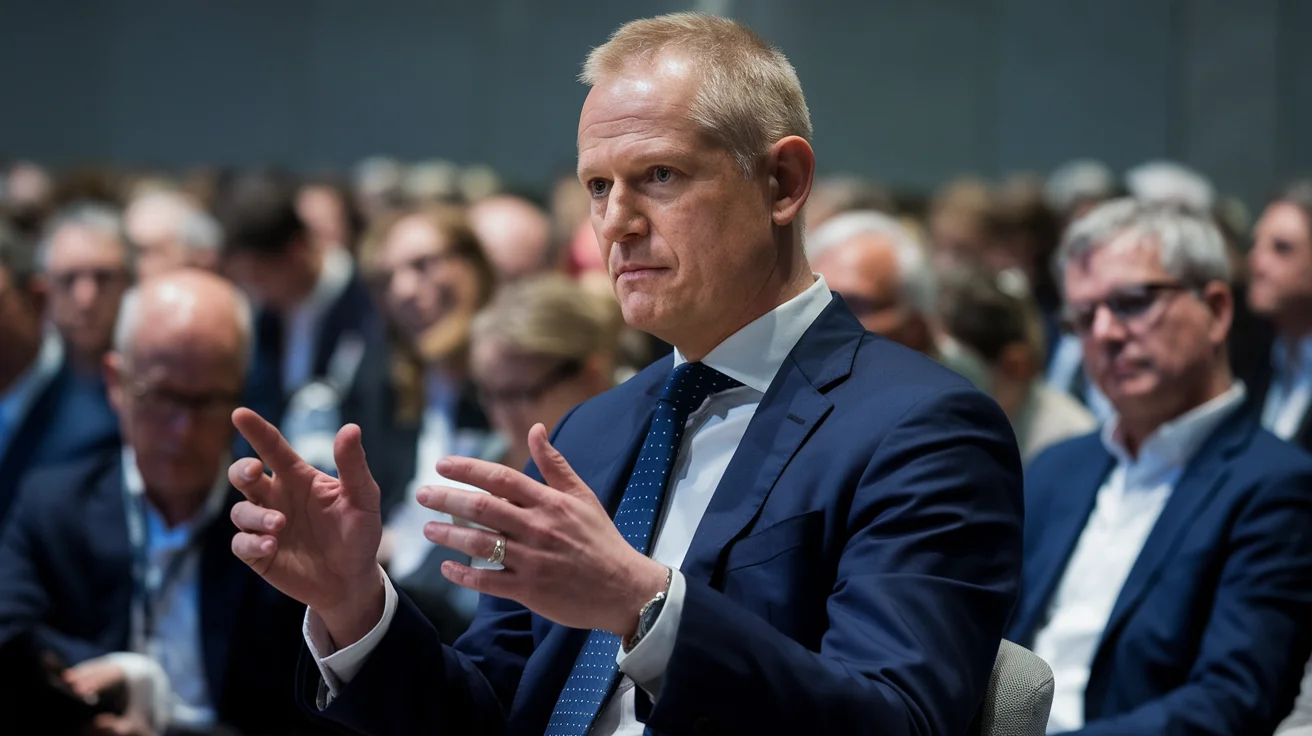
Statkraft's CEO opposes power market changes that may hinder renewable energy growth, highlighting risks to global sustainability efforts.
Statkraft, one of Europe's largest producers of renewable energy, has its CEO publicly opposing changes to power market structures that could jeopardize the expansion of renewables. According to reports from Bloomberg, these proposed reforms involve adjustments to how electricity prices are set and traded, which might favor traditional energy sources over wind, solar, and hydro power.
What is Statkraft?
Statkraft is a state-owned Norwegian company focused on generating electricity from renewable sources such as hydroelectric dams, wind farms, and solar installations. Founded in the early 20th century, it operates across multiple countries in Europe and is a key player in the transition to sustainable energy, supplying power to millions of households.
The power market reforms in question reportedly include mechanisms that could link electricity prices more closely to natural gas or coal costs, potentially making renewables less competitive. This shift might discourage new investments in green projects by altering subsidies or pricing incentives that currently support them.
Renewable energy has seen rapid global growth, with sources like wind and solar becoming cheaper and more efficient. However, market instability and policy changes can slow this progress, as seen in various regions where regulatory shifts have impacted energy investments.
Why These Changes Matter
Opposition from Statkraft's CEO underscores broader concerns in the energy sector about maintaining commitments to reduce carbon emissions. If implemented, these reforms could lead to higher reliance on fossil fuels, contradicting international agreements like the Paris Accord aimed at limiting global warming.
In Europe, countries are pushing for energy security while transitioning to greener sources, but debates over market rules continue. Statkraft's stance highlights the need for policies that balance economic factors with environmental goals, ensuring that renewables remain viable amid evolving energy demands.
Experts in the field, based on industry reports, note that such market changes could affect job creation in renewable sectors, which have employed thousands in recent years. The CEO's comments add to ongoing discussions about sustainable energy policies, emphasizing the importance of protecting investments already made in green technology.