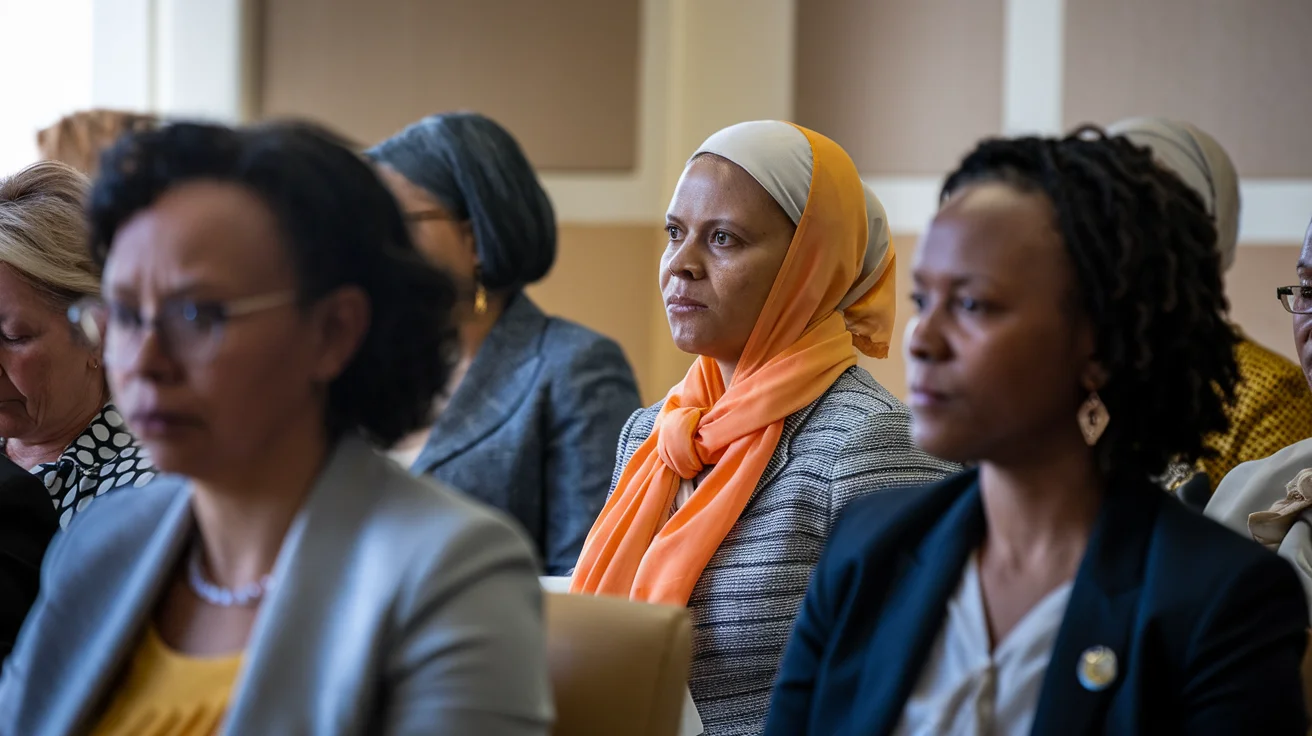
Across Africa, female parliamentary representation has grown, but disparities in policy impact and societal norms highlight ongoing barriers to equality.
The number of women holding seats in African parliaments has increased significantly since 2000, with women now occupying at least 20% of seats in 31 of the continent's 54 recognized countries, compared to the global average of 27.5%.
By the end of 2026, 15 African countries will hold elections for new parliaments, continuing a trend of growing female participation amid diverse political contexts.
Quotas Drive Representation Gains
Countries like Rwanda have achieved over 60% female representation in parliament, partly due to reserved seats, while Nigeria lags at just 4% based on 2022 data from the Inter-Parliamentary Union.
Recent elections show progress: Sierra Leone reached over 28% female seats after a 2021 law, Seychelles hit 26.5% with its first female speaker, and Benin now stands at 25.7% following electoral reforms.
In Ethiopia, Cameroon, and Senegal, mandatory quotas led to sharp increases in female lawmakers during the early 2010s, with Senegal seeing a 20% surge.
South Africa's African National Congress has voluntarily ensured 50% of its candidates are women, contributing to higher legislative presence.
Studies indicate that increased female representation correlates with policies addressing women's issues, such as Ethiopia's introduction of paid maternity leave, though critics argue this does not address deeper political flaws like one-party dominance.
In Ethiopia, all 195 elected female parliament members belong to the ruling Prosperity Party, with opposition groups largely excluded, raising questions about the substance of representation amid reports of repression.
Female lawmakers have linked their presence to advancements in education, with Ethiopia seeing a doubling of girls enrolled in primary schools from 2000 to 2017, reaching 96% enrollment, and a decline in teen marriages from 61% in 2001 to over 40% in 2016 per government surveys.
However, ongoing conflicts, such as in Ethiopia's Tigray and Amhara regions, threaten these gains, with over 4 million children, half of them girls, out of school in Amhara alone, according to regional reports.
Despite progress in areas like family planning and attitudes toward domestic violence in countries including Ethiopia, where acceptance of such violence has decreased, challenges remain, with 63% of women still justifying it and conflicts risking reversals in gender equality efforts across the continent.