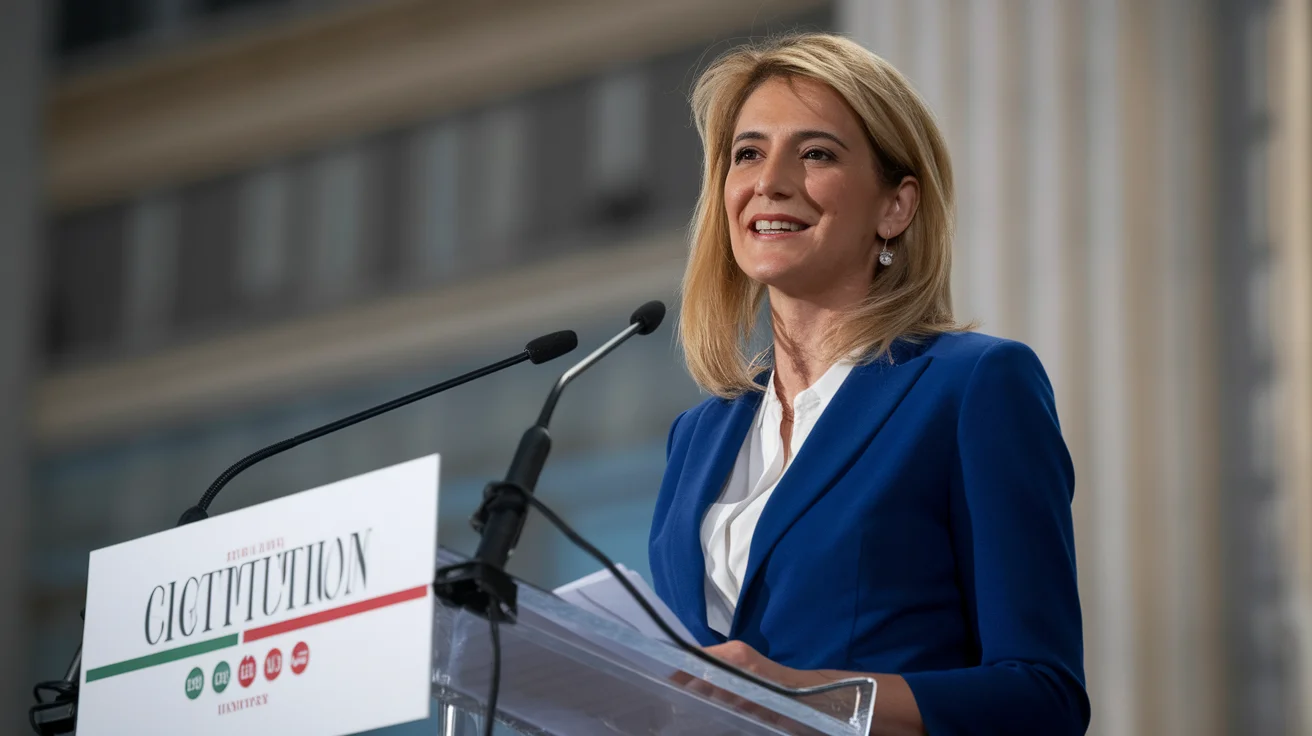
As Italy votes on judicial reforms in a constitutional referendum, Prime Minister Meloni pushes for approval while critics warn of threats to democracy.
Italy is conducting a referendum on proposed changes to its constitution, specifically targeting reforms in the judicial system. The vote, taking place over two days this weekend, aims to separate the career paths of judges and prosecutors and establish distinct governing bodies for them, along with a new disciplinary court.
Meloni's Campaign for Reform
Prime Minister Giorgia Meloni has been vigorously promoting a 'yes' vote, appearing on a popular podcast hosted by a rapper and a personal trainer to appeal to younger voters. She argued that the reforms would make the judicial system more meritocratic, responsible, and efficient, countering claims that opponents are using the referendum to protest her leadership.
Opposition parties and trade unions are campaigning against the changes, labeling them a threat to democracy and framing the vote as a referendum on Meloni's rule. Recent polls indicate that low voter turnout could favor the 'no' side, prompting Meloni to mobilize her supporters.
Italy's judicial system is known for its overload, with some of the longest trials in the European Union, though the proposed reforms do not directly address this issue. The changes stem from a proposal by the late Silvio Berlusconi's Forza Italia party, part of Meloni's coalition, and aim to reduce perceived coziness between judges and prosecutors.
Some supporters, including a constitutional law professor, back the reform for addressing internal judicial factions, while critics fear it could allow government control over the judiciary. Meloni has denied such intentions, emphasizing the vote's focus on improving justice rather than her personal standing.
The referendum requires no minimum turnout, with the majority vote deciding the outcome. As voting begins, the result could impact Meloni's leadership ahead of the next general election.
More Coverage
- Former Fidesz Insider Peter Magyar Challenges Orban in Hungary Elections
- Turkey Qualifies for 2026 World Cup with 1-0 Win Over Kosovo, Ending 24-Year Drought
- Italy Investigates Murder After Mother and Daughter Die from Christmas Meal Poisoning
- German Chancellor Merz Expects 80% of Syrian Refugees to Return Home in Three Years