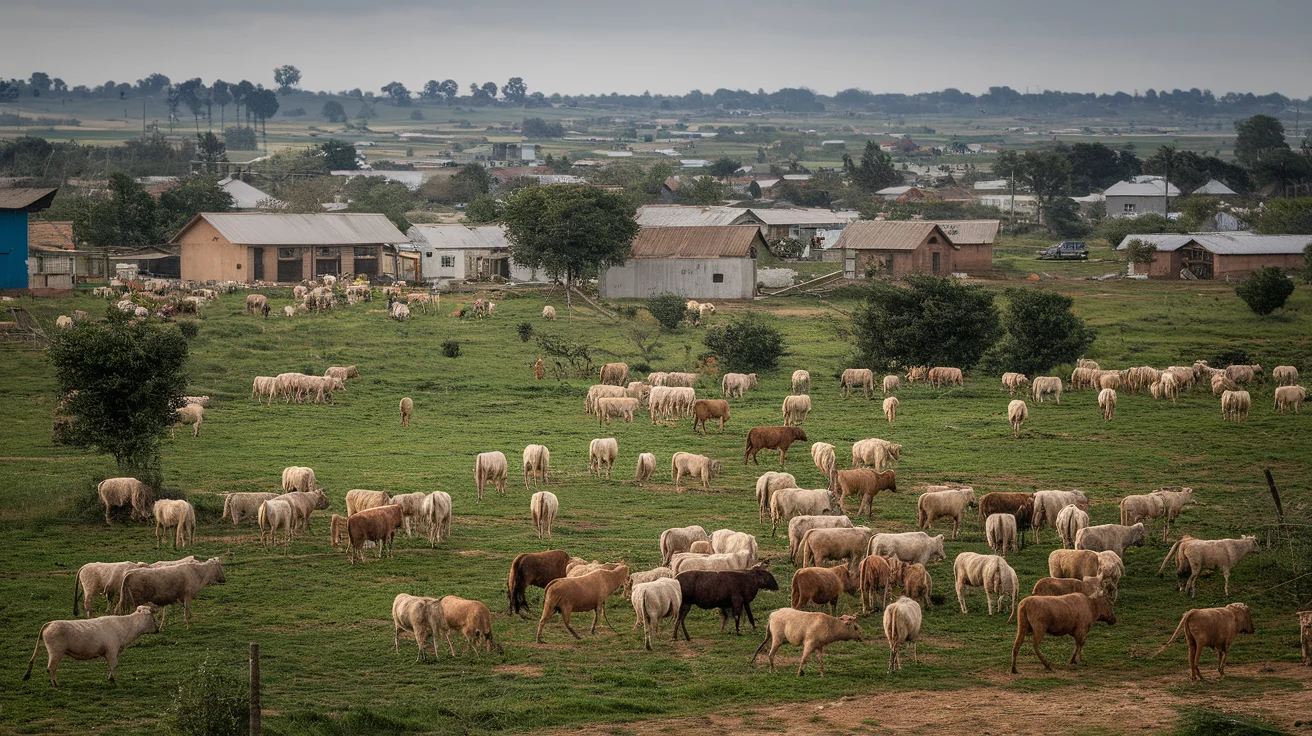
Ongoing violence in Nigeria's Plateau state stems from disputes over land, cattle and ethnic identity, resulting in numerous deaths and displacement.
In April 2025, gunmen attacked the village of Zike in Nigeria's Plateau state, killing 52 men, women and children from the Christian Irigwe ethnic group. Witnesses reported hearing attackers chant 'Allahu Akbar' as they swept through the area, with survivors like Joseph Ize Zino fleeing to nearby fields amid screams and gunfire.
Local residents attribute the attack to ethnic Fulani herders, who are predominantly Muslim, accusing them of targeting Christians in what some call genocide to seize land. The Nigerian government denies these claims, stating that conflicts affect all faiths and involve various armed groups across rural areas.
Historical Roots of the Violence
Violence in Plateau state erupted in 2001 in the capital Jos, where over 1,000 people were killed in communal clashes, leading to widespread displacement. The conflict has since spread to rural areas, drawing in multiple ethnic groups and fueled by competition for resources like land and cattle.
Local politics exacerbate tensions, as 'indigenes' from mostly Christian ethnic groups receive preferential access to jobs and land, while 'settlers' like the Fulani, who have lived there for generations, face discrimination. A Fulani elder, Ardo Wada Waziri, described how his community was attacked in 2001, forcing many to flee and perpetuating a cycle of reprisals due to lack of security and prosecutions.
Despite the violence, some areas like Mista Ali maintain peace through community leadership. The traditional ruler, Chief Dr Danladi Akinga Kasuwa, a Christian, has worked with leaders of all ethnic groups to prevent conflicts, emphasizing unity among Muslims, Christians and Fulanis.
The core issue involves disputes between farmers, typically from Christian ethnic groups, and Muslim Fulani herders over land use. Herders like Aliyu Abdullahi Isa manage cattle on farmlands, but small incidents often escalate due to intertwined ethnic and religious identities. In broader Nigeria, such conflicts occur nationwide, pitting farmers against herders regardless of faith.
Amid these dynamics, the US has increased military involvement in Nigeria, focusing on Islamist insurgents, with recent strikes and troop deployments. However, the Plateau violence highlights ongoing ethnic and resource-based tensions that continue to displace tens of thousands.
More Coverage
- Drift Protocol Confirms $280 Million Exploit on Solana, Questions Raised Over Circle's USDC Handling
- U.S. Journalist Shelly Kittleson Kidnapped in Baghdad, Suspect Tied to Iran-Backed Militia
- Israelis Attempt Passover Sacrifice at Al-Aqsa Mosque, Leading to Arrests
- Activists and Lawmakers Reconsider Cesar Chavez Day After Abuse Allegations