The Strait of Hormuz, vital for oil transport, faces disruptions amid regional tensions, with Iran controlling access and impacting worldwide supplies.
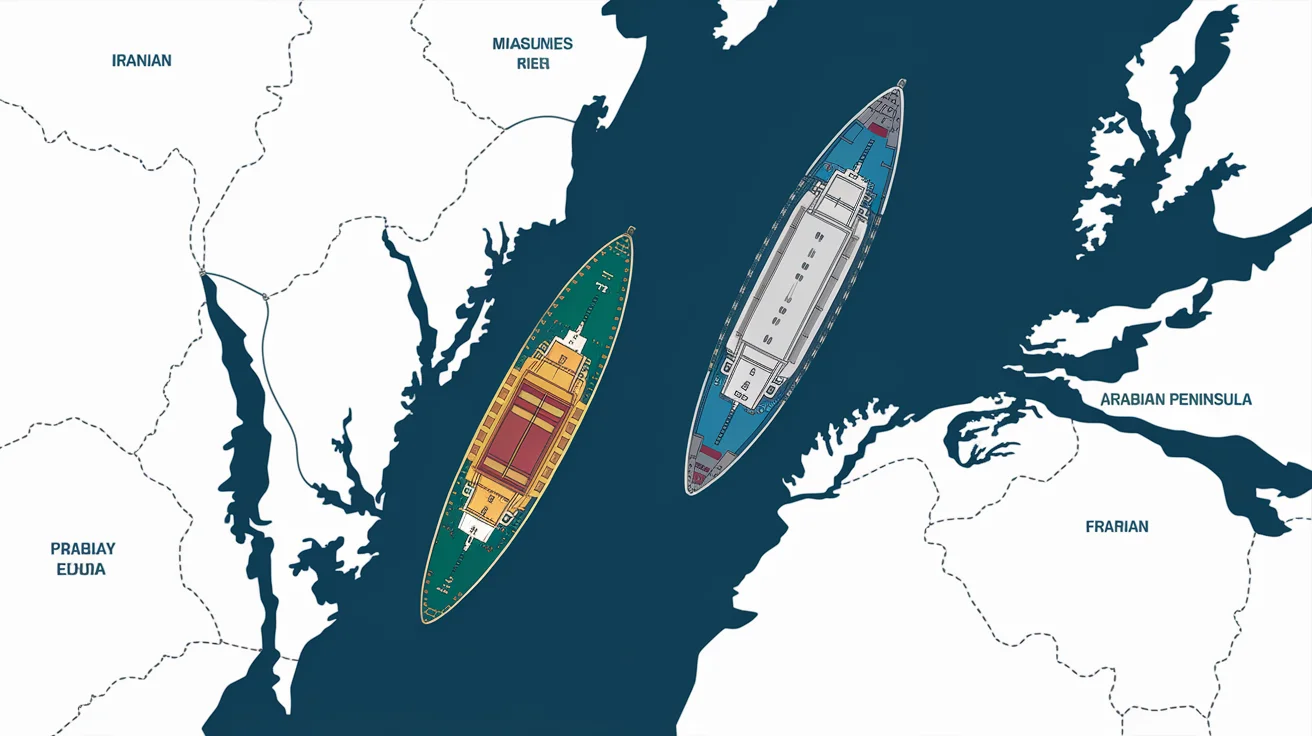
The Strait of Hormuz, a narrow waterway between Iran and the Arabian Peninsula, handles around 20% of the world’s oil supply under normal conditions, making it a critical global chokepoint for energy transport.
Current Closure and Iranian Control
Iran has effectively closed the Strait, determining which ships can pass through, as explained by BBC's Diplomatic Correspondent Paul Adams. This control stems from ongoing regional conflicts, heightening risks for international shipping.
The blockade has disrupted trade at key ports like Dubai, with footage showing reduced activity and economic strain in the Middle East.
Global impacts include rising concerns over fuel prices, as unrest in the region affects living costs worldwide, according to reports from the BBC.
Related military actions, such as airstrikes on Iranian oil depots and Tehran’s Mehrabad Airport, have led to fires and explosions, further complicating the situation.
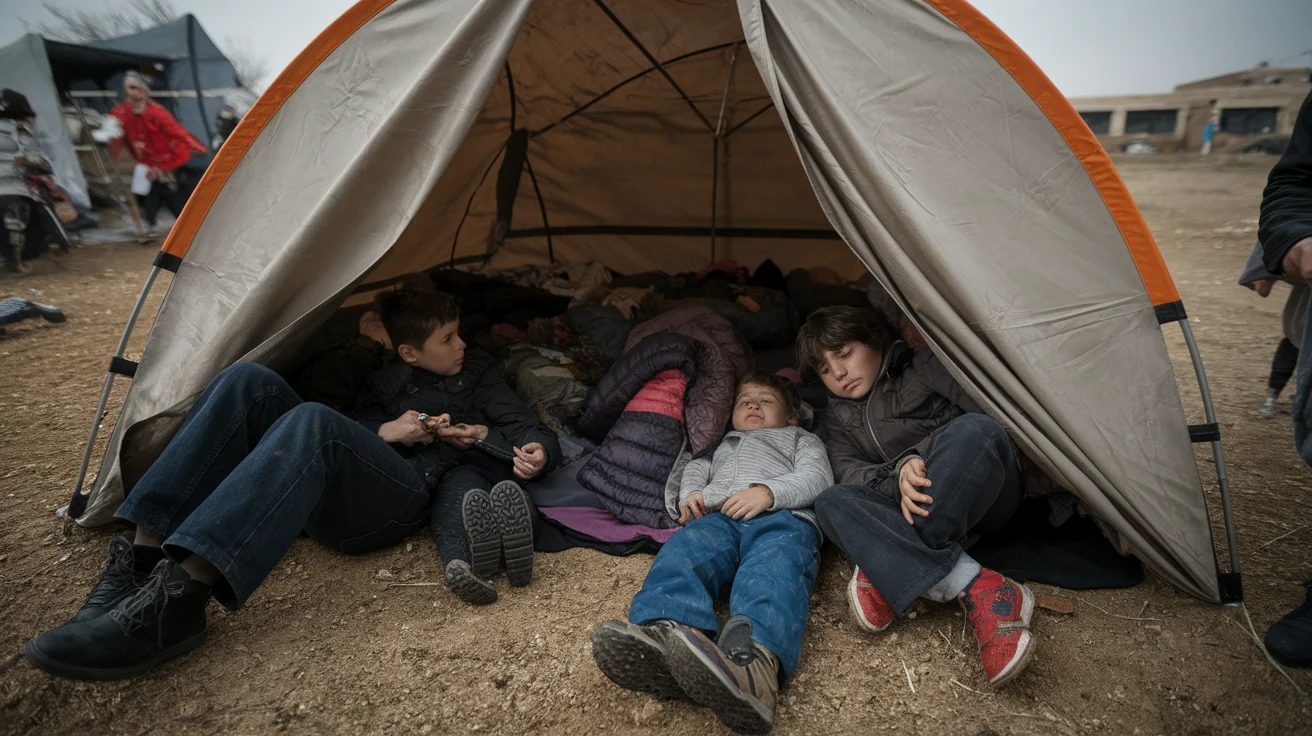
In Lebanon, Israeli strikes on bridges and targets have prompted evacuations, with residents fleeing and seeking shelter amid ongoing violence.
British nationals in affected areas, like Dubai, have been advised to shelter in place, with flights suspended, highlighting the broader travel disruptions.
Iranians at the border have described life under bombardment, while celebrations among Iranian Americans in Los Angeles reflect divided international reactions to the conflicts.