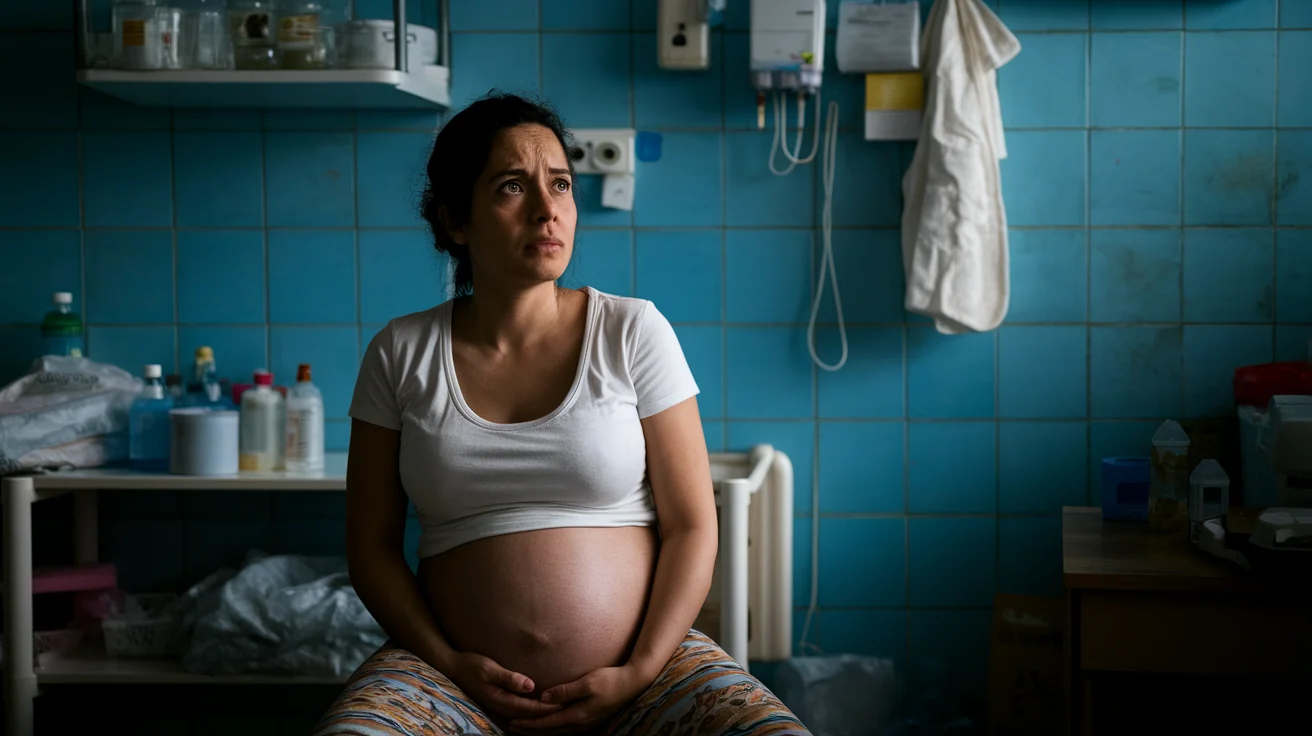
Cuba's pregnant women endure blackouts and shortages as they prepare for childbirth, highlighting the strain from recent U.S. sanctions.
In Havana, Mauren Echevarría Peña, 26, is days away from giving birth at a maternity hospital amid Cuba's ongoing power cuts. She has dealt with gestational diabetes and chronic hypertension, relying on hospital staff for insulin and monitoring despite the national electrical grid's collapses over the weekend.
Indira Martínez, seven months pregnant, lives in a Havana suburb where power outages have prevented her from using her electric stove or fridge for days. She cooks on a charcoal grill and worries about her nutrition, as her work as a hair stylist is paused due to pregnancy risks, leaving her family dependent on her husband's blacksmith income.
Impact of the Fuel Blockade on Daily Life
The Trump administration imposed a near-total fuel blockade on Cuba three months ago, leading to rolling blackouts across the country. This has affected approximately 32,800 pregnant women, many of whom lack the specialized support Mauren receives.
Indira previously contracted chikungunya during a nationwide outbreak in her first trimester, but doctors report her baby remains healthy. She has not received any of the humanitarian aid, such as powdered milk, sent by Mexico in response to the crisis.
Mexico has delivered hundreds of tonnes of aid to Cuba, including items for pregnant mothers, after warnings from the U.S. about potential tariffs on fuel shipments. However, individuals like Indira report no access to this support, forcing them to manage independently.
Both women express concerns about giving birth in darkened hospitals, where generators exist but fuel shortages hinder their operation. Indira fears her daughter's future prospects in Cuba, citing economic hardships and limited opportunities for growth.
Cuba faces an ageing population and low birth rates, exacerbated by the current crisis, which has made family planning more challenging for young people.