Prime Minister Mette Frederiksen campaigns for reelection in Denmark, highlighting her response to international threats and domestic issues.
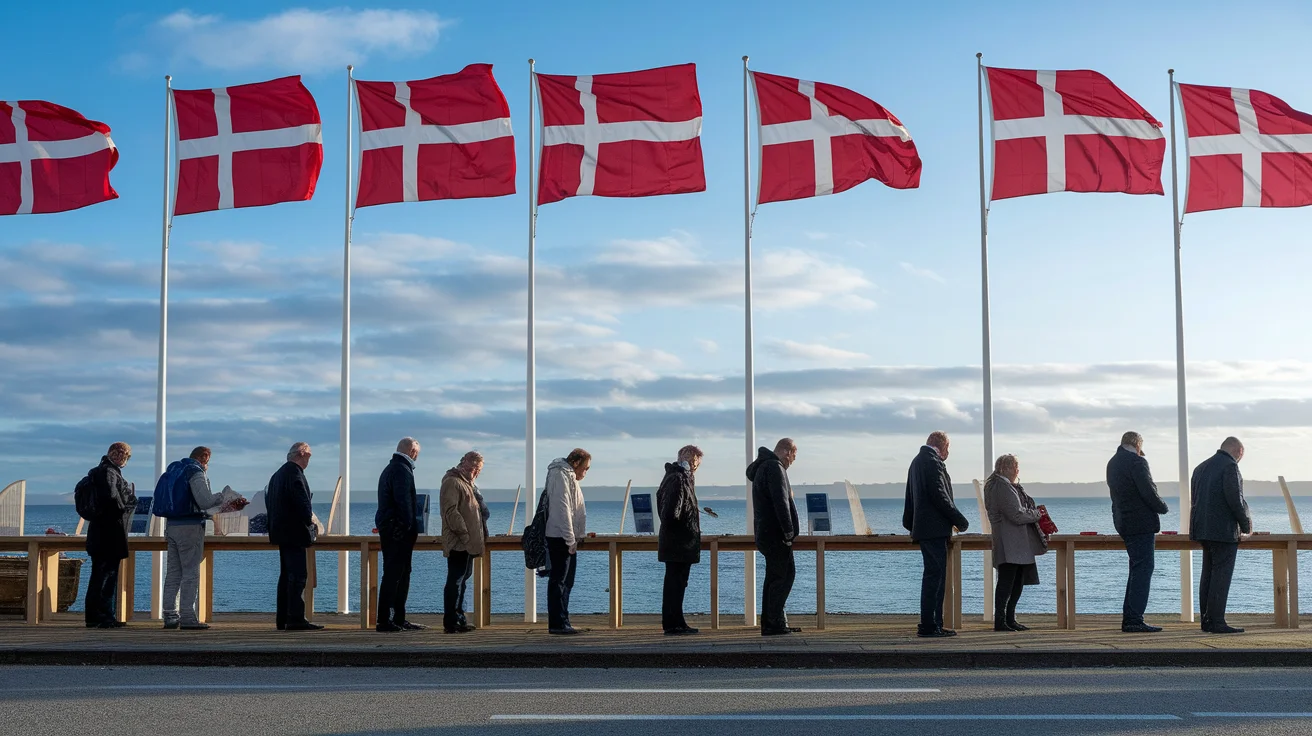
Danes began voting on March 24, 2026, in a general election that could grant Prime Minister Mette Frederiksen a third term. Frederiksen, a 48-year-old Social Democrat, called the election early, partly due to her party's recovery in polls following her firm stance against U.S. President Donald Trump's threat to take control of Greenland, a semi-autonomous Danish territory.
Frederiksen's Leadership and Election Context
Frederiksen has led Denmark since 2019, becoming the country's youngest prime minister at 41. She previously headed a coalition that bridged left and right divides, but the current political landscape features 12 parties, making a majority challenging.
Polls indicate the Social Democrats at 21 percent, up from 17 percent in December, attributed to Frederiksen's response to the Greenland issue. Voting stations opened at 8 a.m. local time and closed at 8 p.m., with exit polls expected shortly after.
Domestic concerns now dominate the election, including proposals for a wealth tax and immigration debates. Frederiksen has emphasized her leadership in navigating relations with the U.S. and Europe's response to Russia's war in Ukraine.
Projections show the left-wing bloc, including Frederiksen's party, narrowly leading but likely short of the 90 seats needed for a majority in Denmark's 179-seat parliament. The four seats from Greenland and the Faroe Islands could be decisive in forming a government.
Frederiksen remains favored to build a coalition, given the fragmentation of the right-wing bloc. Her experience in international affairs continues to play a key role in her campaign strategy.