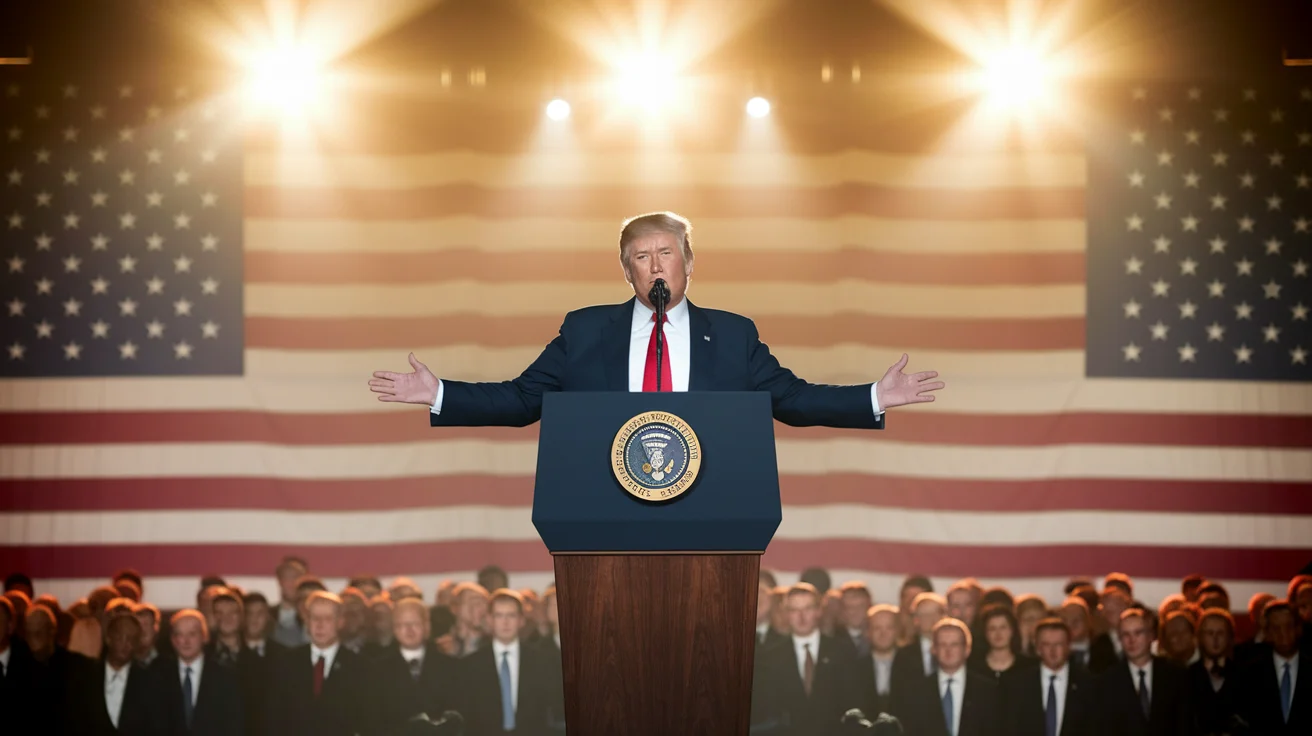
Trump delays strikes on Iranian energy infrastructure amid diplomatic talks, escalating tensions in the Middle East.
U.S. President Donald Trump announced on March 23, 2026, that he has ordered a five-day postponement of military strikes against Iranian power plants and energy infrastructure. This decision came after what Trump described as 'good and productive conversations' with Tehran over the past two days, aimed at resolving hostilities in the Middle East.
In his statement on Truth Social, Trump indicated that the U.S. and Iran discussed a complete resolution to their conflicts. He instructed the Department of War to hold off on any strikes, contingent on the success of ongoing meetings.
Background to the Ultimatum
On March 21, 2026, Trump gave Iran a 48-hour deadline to reopen the Strait of Hormuz to all vessels. He warned that failure to comply would result in the U.S. obliterating Iranian power plants, heightening regional tensions.
Iran responded by threatening to shut the Strait of Hormuz, a critical route for about one-fifth of the world's oil supplies, in retaliation. Tehran also pledged to target energy facilities in Israel and Gulf countries if the U.S. proceeded with strikes.
The Islamic Revolutionary Guard Corps stated that any U.S. military action would prompt attacks on power plants supplying U.S. bases and other American-linked economic infrastructures. Iran's Defence Council further warned of laying sea mines to disrupt Gulf shipping routes in response to any attacks on its southern coast or islands.
This development occurs amid broader U.S.-Iran tensions, with Trump's announcement potentially allowing for diplomatic progress. The Strait of Hormuz remains a focal point for international energy security, as disruptions could impact global oil markets.
As discussions continue, the five-day window provides a temporary pause, but the outcome depends on the results of the ongoing talks between the U.S. and Iran.