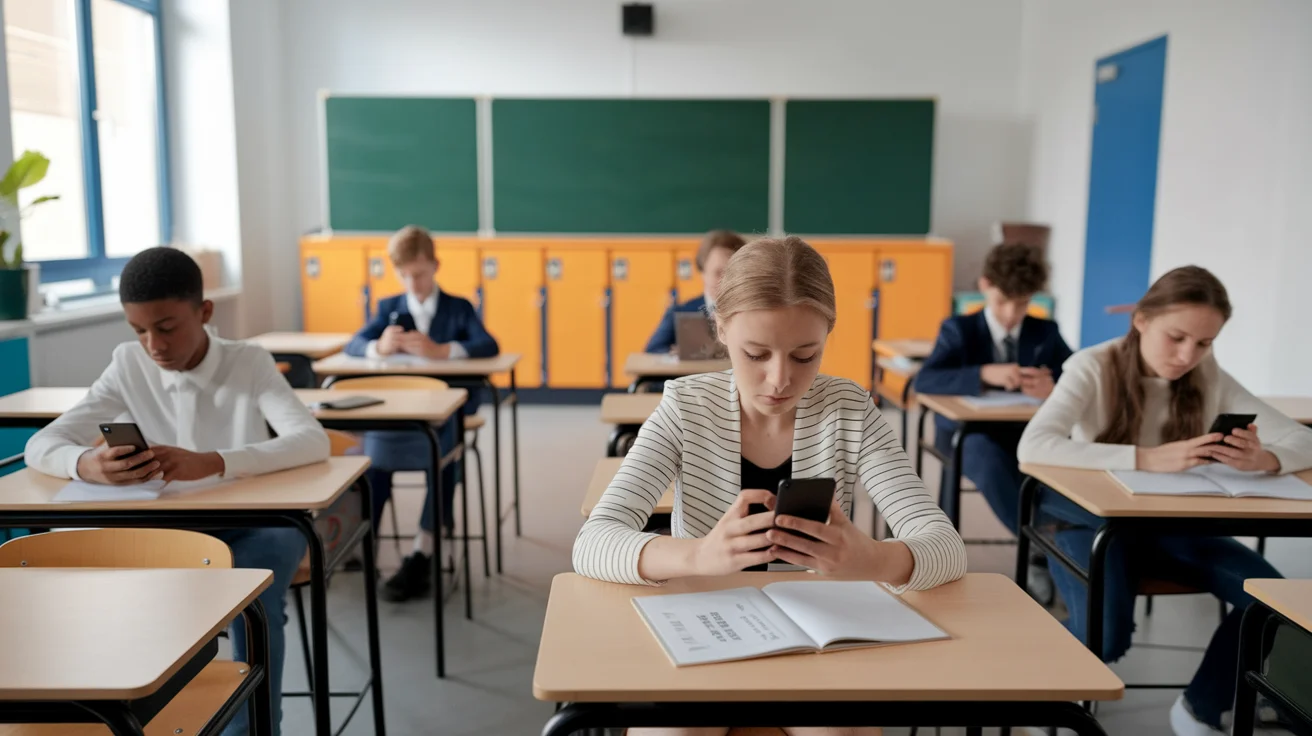
A nationwide smartphone ban in Dutch schools has led to enhanced focus and reduced bullying, prompting calls for stricter social media age limits.
Dutch schools implemented a nationwide smartphone ban two years ago to minimize distractions and boost academic performance, requiring students to keep phones in lockers during school hours.
At Amsterdam's Cygnus Gymnasium, teacher Ida Peters has observed tangible improvements in student behavior, noting that classes are calmer and more focused without devices present.
Study Findings on the Ban's Impact
A government-commissioned study of 317 secondary schools revealed that about three-quarters of schools reported better student concentration, nearly two-thirds noted an improved social climate, and around a third saw enhanced academic performance.
Other surveys indicate that bullying has decreased since the ban, with students like Hena, Fena, Felix, and Karel expressing mixed feelings but acknowledging benefits such as increased face-to-face interactions during breaks.
The Dutch government is now advocating for further restrictions, proposing an EU-wide minimum age of 15 for social media apps like Instagram and TikTok, and officially advising against use for children under 15.
Public support is growing, as shown in a Unicef survey where 69% of Dutch children and teenagers favored a social media ban for under-18s, and another survey found 60% of 16-to-28-year-olds backing age limits.
While the Dutch Research Council is examining potential downsides, such as increased phone use after school, students at Cygnus Gymnasium report more socialization and less anxiety about online exposure during school hours.
More Coverage
- U.S. Lifts Sanctions on Venezuela's Acting President Delcy Rodríguez
- Naoris Protocol Launches Post-Quantum Blockchain Amid Rising Security Risks
- Former Fidesz Insider Peter Magyar Challenges Orban in Hungary Elections
- Italy Investigates Murder After Mother and Daughter Die from Christmas Meal Poisoning