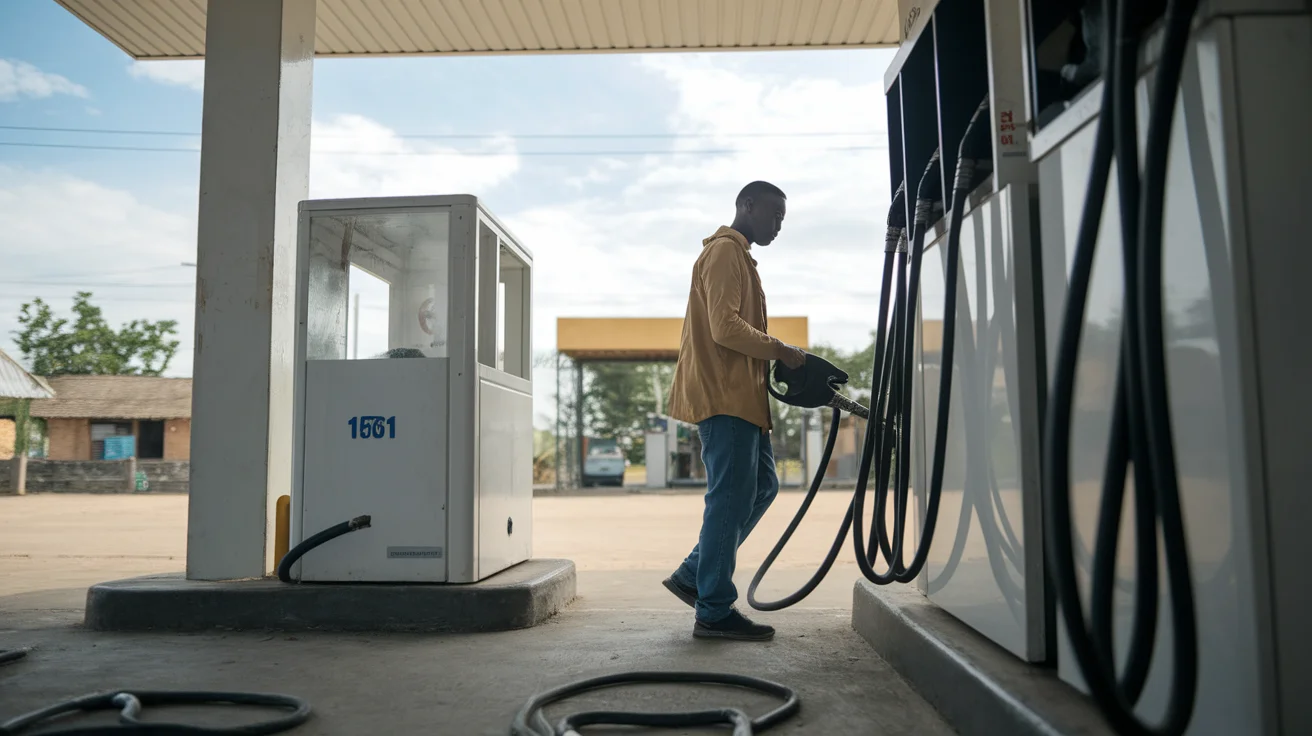
Developing nations from Pakistan to Egypt face rising fuel prices due to the Iran war, straining imports and public finances.
The United States-Israeli war with Iran has caused global economic disruptions, particularly affecting developing economies in Asia, Africa, and the Middle East through higher energy costs.
In Pakistan, which imports about 80 percent of its energy, authorities have closed schools, introduced a four-day workweek for government offices, and ordered half of public sector employees to work from home to conserve fuel reserves that could deplete within weeks.
Measures in South Asia
Bangladesh, importing 95 percent of its oil, has seen petrol pumps run dry in some districts despite fuel rationing, with reserves expected to last only days.
Sri Lanka, which imports 60 percent of its energy needs and is recovering from a 2019 economic crisis, has declared every Wednesday a public holiday and mandated a fuel pass for vehicle owners to manage dwindling stockpiles.
In Egypt, a major energy importer with high debt levels, the government has ordered early closures for malls and shops and reduced public lighting, while raising petrol, diesel, and cooking gas prices by 15 to 22 percent on March 10.
Broader Economic Pressures
Egyptian President Abdel Fattah el-Sisi stated that these price hikes are necessary to avoid worse outcomes, as the country subsidizes fuel amid growing fiscal strains.
Other nations like Jordan, Senegal, Ethiopia, and Zambia are at risk due to high dependence on fuel imports, public debt, and low foreign exchange reserves, according to an analysis by the Centre for Global Development.
Currency depreciation against the US dollar has worsened the situation for countries like Indonesia and the Philippines, making oil imports more expensive amid geopolitical uncertainty.