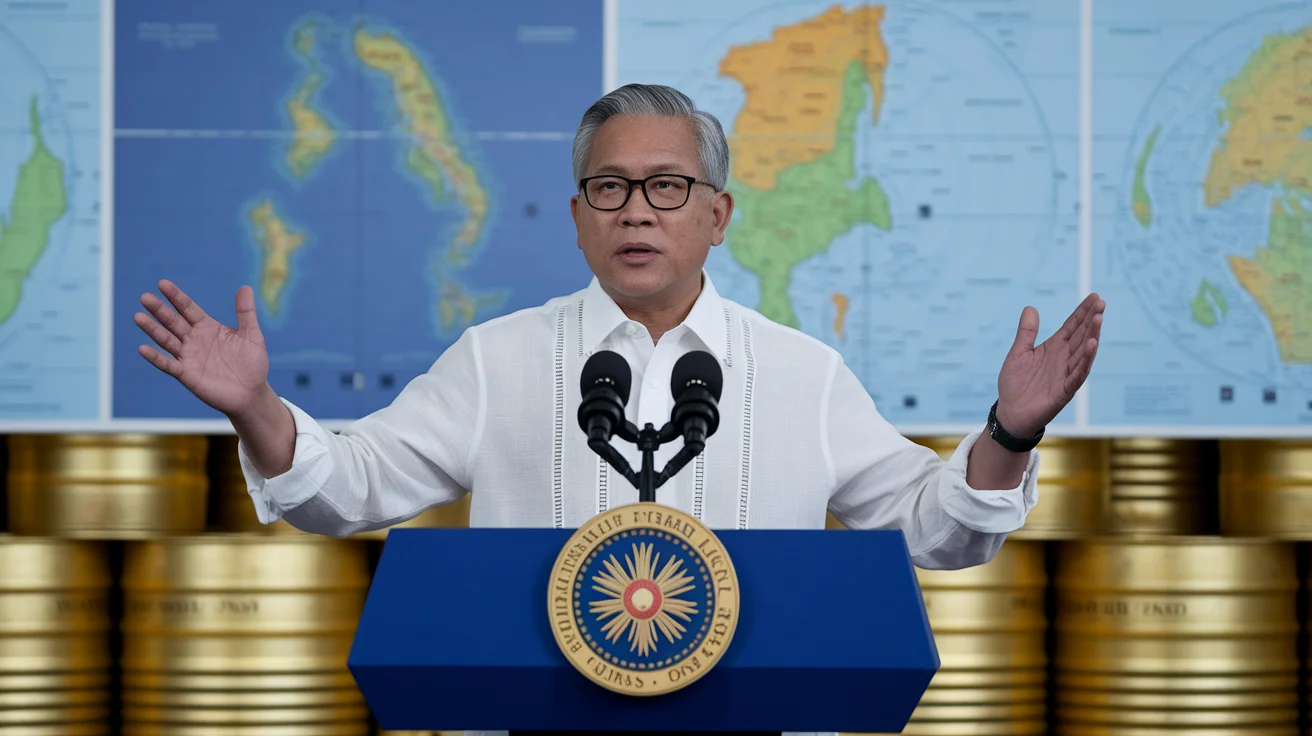
Philippines faces energy crisis as President Marcos responds to global oil shortages caused by the Iran conflict.
Philippine President Ferdinand Marcos declared a state of national energy emergency on Tuesday in response to the war in Iran and the closure of the Strait of Hormuz, which has disrupted oil supplies. The Philippines, importing 98% of its oil from the Gulf, saw local diesel and petrol prices more than double since the war began on 28 February.
Marcos announced in a televised address that the government will procure one million barrels of oil to bolster the current 45-day stock. He assured citizens of a continuous flow of oil-related products, stating, 'We will have a flow of oil. Not just one delivery, not two deliveries, but a flow of oil-related products.'
The emergency declaration grants the government legal authority to implement measures for energy stability and economic protection. A committee has been formed to oversee the distribution of fuel, food, medicines, and other essentials, with the government empowered to directly purchase petroleum products.
Government Actions and Reactions
Energy Secretary Sharon Garin confirmed the country has about 45 days of fuel supply left and stated that the nation will temporarily rely more on coal-fired power plants due to rising liquefied natural gas costs. The declaration will last for one year unless extended or lifted by the president.
Several senators urged the declaration due to the hardship from soaring prices, while the Kilusang Mayo Uno (KMU) labor coalition criticized it as an admission of government failure and raised concerns about provisions that could limit strikes. In contrast, tycoon Manuel V. Pangilinan supported the measures, noting the strain on businesses from rising energy costs.
Transport workers, led by the Piston union, plan a two-day strike on Thursday and Friday, demanding fuel tax scrapping, price rollbacks, and higher wages. The government has responded with subsidies for transport drivers, reduced ferry services, and a four-day work week for civil servants to conserve fuel.
Asia's exposure to the Strait of Hormuz blockade is significant, with nearly 90% of oil and gas passing through the waterway last year destined for the region. Philippine Ambassador to the US Jose Manuel Romualdez told Reuters that Manila is working with Washington for exemptions to import oil from sanctioned countries.