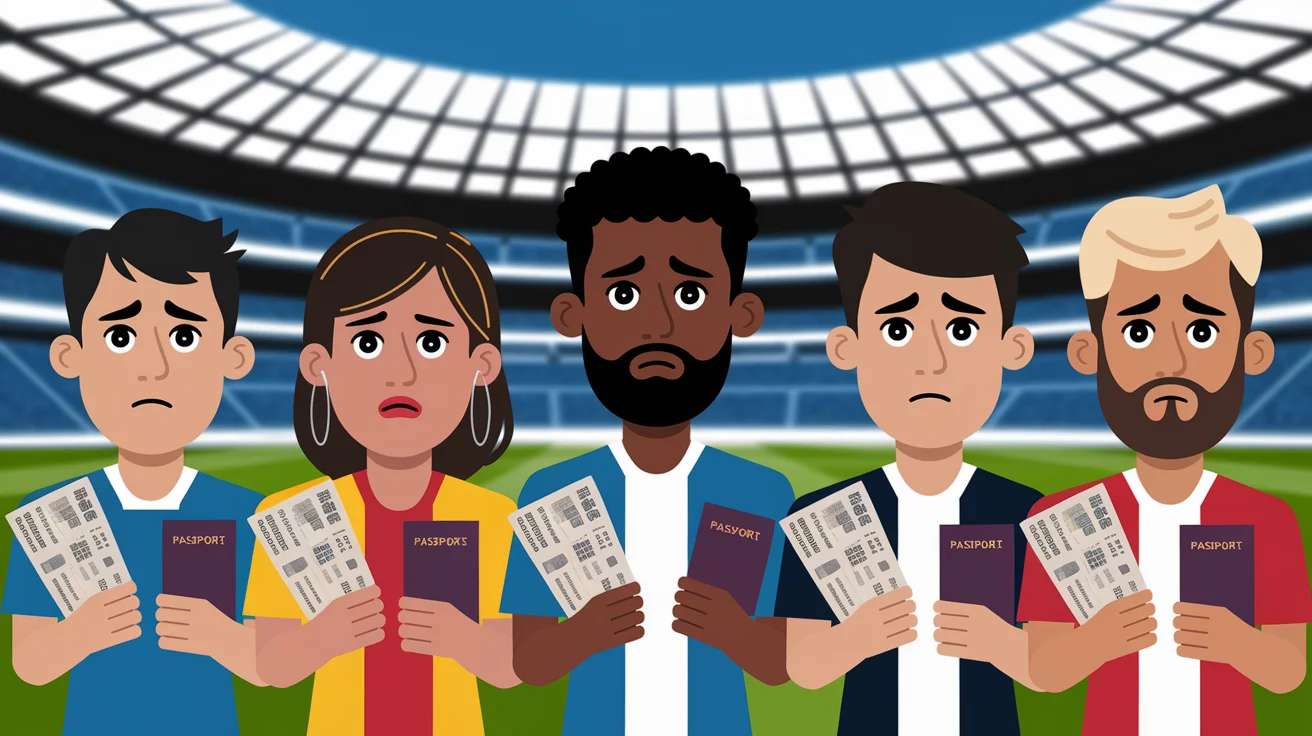
As the 2026 World Cup approaches, international fans report significant financial and logistical challenges, including high costs and safety worries linked to the US hosting.
Fans planning to attend the 2026 World Cup are encountering steep financial barriers, with ticket prices and travel costs far exceeding previous tournaments. According to interviews by DW, a Brazilian fan named Thiago Pessao has already spent $30,000 to $40,000 on tickets for Brazil's group stage matches in the US, plus flights and accommodation, making this the most expensive World Cup he has experienced.
Personal Stories of Expense
Pessao, a dedicated Brazil supporter who attended 23 games in 2014 and 17 in 2018, plans to limit his attendance to Brazil's matches due to the high prices, estimating a final ticket at $4,000 to $5,000. He noted that dynamic pricing on FIFA's ticket platform and lack of demand have influenced his decisions, though he remains motivated to attend if Brazil advances.
In the US, fan Adaer Melgar was shocked by the costs, spending $3,400 for six tickets to non-US matches despite living near a host stadium. He expressed ethical concerns about the event, citing the current administration's policies and FIFA's new charges for fan zones as factors making the tournament feel like a "money-grab."
German fan leader Bengt Kunkel has decided not to attend, estimating costs at €5,000 to €8,000 per fan for group stage matches. He cited unaffordable expenses and new US social media checks for visitors as key reasons, reflecting a broader sentiment among European supporters.
Visa issues are compounding the challenges, with fans from countries like Jordan facing delays or rejections. DW reported that FIFA's PASS system offers expedited interviews but does not guarantee visas, and some applications remain pending amid embassy closures related to conflicts.
Additionally, European consumer groups and fan organizations have filed complaints against FIFA, alleging abuses such as high resale fees and pressure tactics in ticket sales. These factors are leading many fans to reconsider or limit their participation in the tournament, which will be mostly held in the US with games in Mexico and Canada.