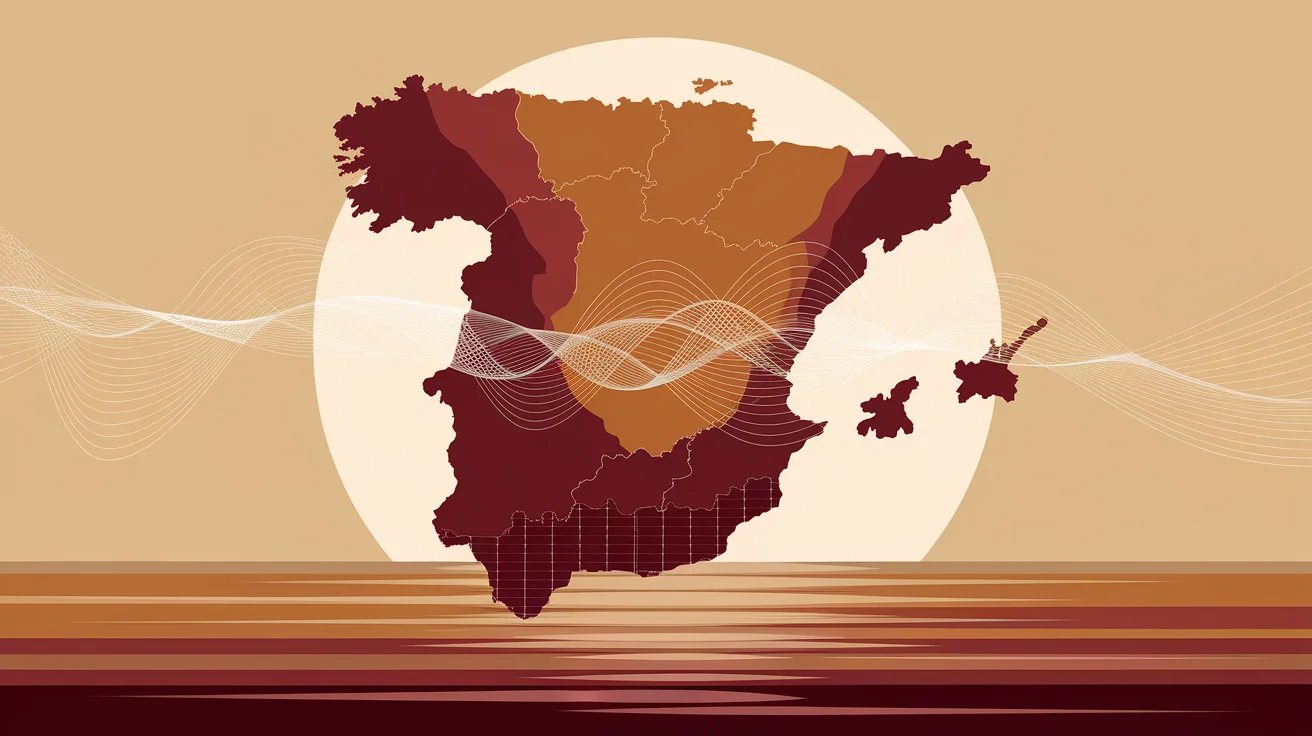
The final analysis details the causes of the Iberian Peninsula's grid failure and outlines preventive measures based on extensive data.
In March 2025, a major blackout struck Spain and Portugal, causing the entire Iberian Peninsula's electrical grid to fail. Grid operators quickly restored power, but the incident raised questions about underlying vulnerabilities.
Causes of the Blackout
The preliminary report identified grid-level voltage oscillations and early disconnections as the primary factors. ENTSO-E's final report, released over the weekend, confirms these findings with detailed data from major hardware on the Spanish and Portuguese grids.
This data includes sub-second precision logs from key interchanges with France and Morocco, providing a clearer picture of the sequence of events. The report also incorporates information from rooftop solar inverter manufacturers regarding their hardware performance during the blackout.
According to the report, the oscillations stemmed from interactions between grid components, exacerbated by disconnections that cascaded across the system. This analysis highlights how specific policy and operational decisions contributed to the risks.
ENTSO-E recommends several changes for Iberian grid operators, including enhanced monitoring of voltage fluctuations and improved coordination protocols to avoid similar failures. These measures aim to strengthen the grid's resilience against future disruptions.
The report emphasizes the role of detailed data in understanding the event, noting access to status logs from most major hardware. This information could guide broader European grid improvements, though specifics are limited to the Iberian context.
Overall, the findings underscore the need for proactive adjustments in grid management, drawing from the wealth of data analyzed in the report to inform preventive strategies.
More Coverage
- Naoris Protocol Launches Post-Quantum Blockchain Amid Rising Security Risks
- Former Fidesz Insider Peter Magyar Challenges Orban in Hungary Elections
- Italy Investigates Murder After Mother and Daughter Die from Christmas Meal Poisoning
- Speechify Releases Windows App Using Local AI for Transcription and Dictation