Tehran aims to extract concessions including sanctions relief and security guarantees as indirect talks with the US proceed amid ongoing regional tensions.
United States President Donald Trump has claimed that Washington is engaged in productive talks with Iran, though Iranian officials have publicly dismissed these assertions as attempts to influence oil prices. Behind the scenes, Egypt, Turkiye, and Pakistan have facilitated indirect communication between American and Iranian officials in recent days, according to two senior diplomatic sources.
Experts remain skeptical about the prospects for a ceasefire, noting that Iran's leadership has hardened its stance since the war started on February 28, when US and Israeli attacks killed Iran's Supreme Leader Ayatollah Ali Khamenei. The US and Israel assert that their strikes have degraded Iran's military capabilities, with the Pentagon stating that 90 percent of Iran's missile capacity has been destroyed.
Iran's Demands in Negotiations
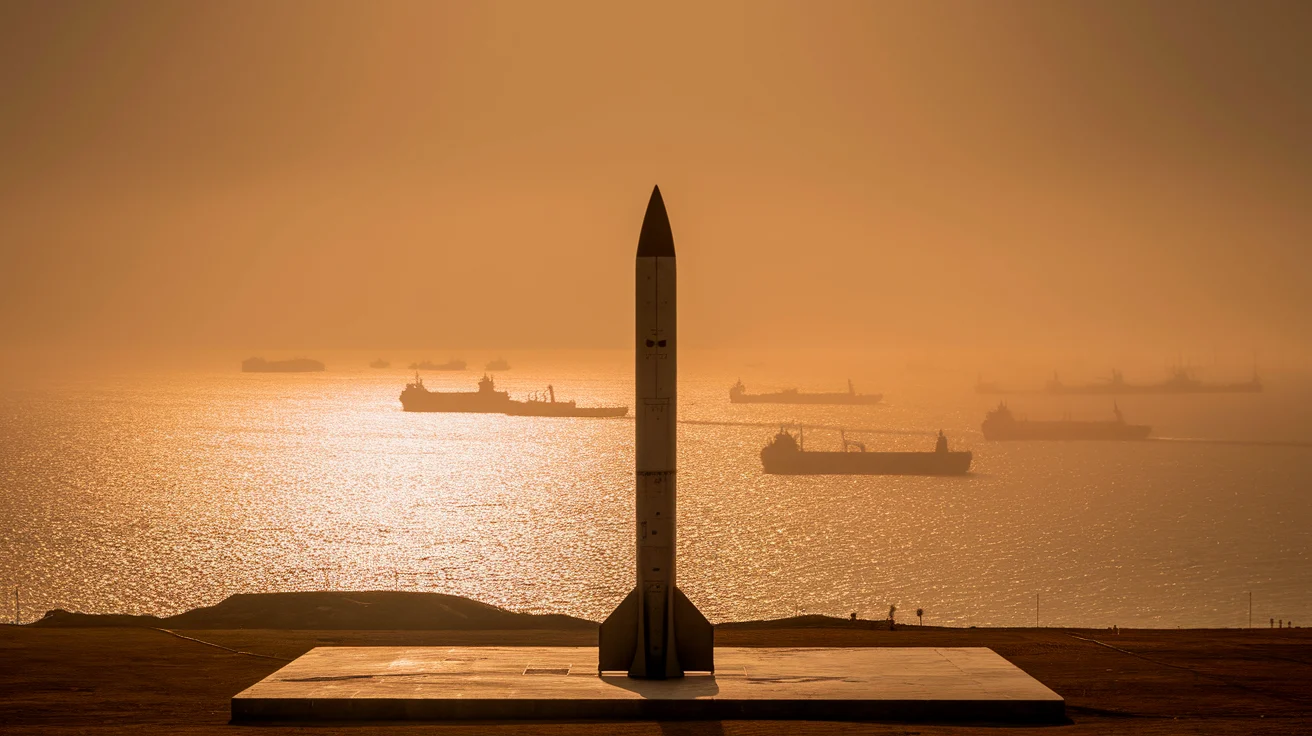
Iran has demonstrated its remaining capabilities through precise retaliatory strikes, including hits on Qatar's main gas site and Israel's southern cities, wounding over 180 people. Iranian officials now demand payment repatriations, firm guarantees against future attacks, and a new framework for the Strait of Hormuz, where hundreds of vessels are currently paralyzed.
Analysts indicate that Iran seeks to end the conflict on its terms, pursuing sanctions relief, reparations, and economic leverage. For instance, Iran has discussed potentially charging fees for passage through the Strait of Hormuz, leveraging its control over this critical waterway for global oil exports.
The US continues to demand that Iran relinquish over 400kg of near-weapons-grade uranium and limit its ballistic missile program, proposing that Iran retain only 1,000 medium-range missiles. Washington has also waived sanctions on Iranian oil purchases temporarily to ease oil prices, amid deployments of US Marines to the region.
Iran's appointment of Mohammad Bagher Zolghadr as secretary of the Supreme National Security Council, a former IRGC commander, suggests a focus on military priorities in any negotiations. This development occurs as Trump considers options like seizing Iran's Kharg Island, from which 90 percent of Iranian oil is exported.